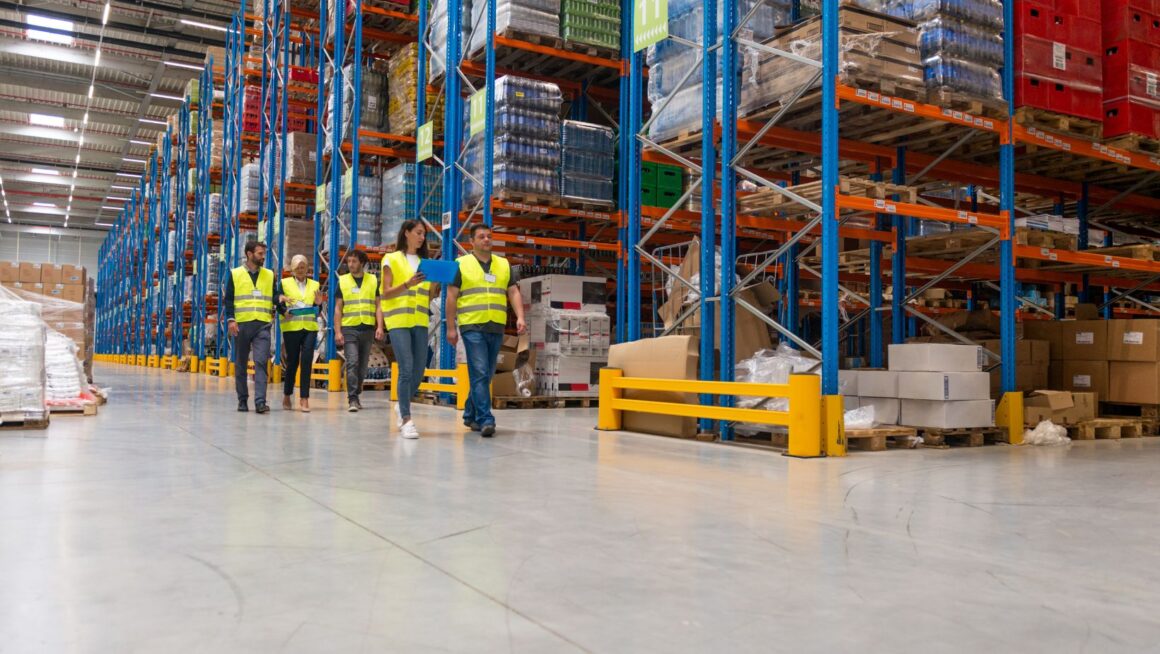
If you’re moving food products, supplements, or pet food into the U.S. market, there’s a regulatory box that gets overlooked until it causes problems. FDA warehouse registration. It sounds like paperwork, and honestly, it kind of is. But missing it can hold up shipments, harm customer trust, and put your brand in a tough spot when you least expect it.
A lot of companies partner with third-party logistics providers without asking about warehouse compliance status. That’s a mistake. The Bioterrorism Act of 2002 requires any facility that manufactures, processes, packs, or holds food for human or animal consumption to register with the FDA. Warehouses fall under “holds.” So if your products sit in a building before heading somewhere else, that facility needs to be on the FDA’s list. Foreign facilities shipping into the U.S. have to register too, and they need a U.S.-based agent who can actually communicate with regulators during business hours.
The Difference Between Registration and Certification
Here’s where things get murky. The FDA doesn’t certify warehouses. There’s no gold star or official rating system they hand out. What they do is enforce regulations under the Food Safety Modernization Act (FSMA) and expect facilities to meet certain standards. Registration just tells the FDA a facility exists and agrees to inspections. The actual compliance work, including sanitation programs, pest control, employee training, and traceability records, happens separately.
So when you hear someone say their warehouse is “FDA certified,” that’s not really accurate. What matters is whether they’re registered, whether they’ve passed recent inspections, and whether they have the systems in place to maintain food safety standards over time.
Why This Matters for Your Business
FSMA changed the game for supply chain accountability. Manufacturers can’t just hand off products to a warehouse and assume everything’s fine. The FDA holds brands responsible for their entire supply chain, including third-party partners. A compliance failure at your 3PL can trigger enforcement actions, recalls, and the kind of reputational damage that’s hard to recover from.

The FDA’s food facility registration guidance spells out who needs to register, what exemptions exist, and how often renewals happen. Spoiler: every two years, between October and December. Miss that window, and a facility operates without valid registration. Missing FDA registration can trigger regulatory enforcement, which in some cases may result in products being delayed at U.S. ports. Customers start asking questions nobody wants to answer.
What to Ask Before Signing with a 3PL
Picking a warehouse partner isn’t just about location and pricing. If your products fall under FDA oversight, the compliance conversation has to happen early.
Can they provide their current FDA registration number? If there’s hesitation or vague answers, that’s a red flag. What about recent inspections? While some FDA inspection outcomes, like Form 483s (official observation reports issued after inspections), are publicly available, the full inspection history may not be. The most reliable way to confirm a warehouse’s compliance is to request recent inspection results and corrective actions directly from the facility.
How do they handle traceability? FSMA requires one-step-back, one-step-forward documentation. For foods on the FDA’s Food Traceability List (an FDA-defined category of higher-risk items like leafy greens, certain cheeses, and fresh-cut fruits), the requirements get even more detailed. Your partner should be able to explain their system without fumbling.
And what happens during a recall? This is where partnerships either hold together or fall apart. A good 3PL should have clear protocols and the documentation to support fast action.
The Inspection Reality
Once registered, a facility goes on the FDA’s radar for potential inspections. FSMA expanded that authority, and inspectors have been using it. Some visits are routine. Others happen because of recalls, complaints, or import alerts.
During an inspection, investigators look at sanitation practices, pest control logs, training records, and how products are stored and tracked. They want evidence that someone’s actually monitoring conditions, not just assuming everything’s fine. Facilities might receive a Form 483 listing observations, which requires a written response explaining how the issues will be addressed. Clean histories mean fewer visits. Repeated problems mean more attention.
The Bottom Line
FDA warehouse registration is a baseline, not a finish line. The registration itself takes about twenty minutes through the FDA’s online portal and costs nothing. But maintaining compliance requires ongoing attention to sanitation, documentation, and training.
For businesses relying on third-party warehousing, the provider you choose carries regulatory weight. Their compliance, or lack of it, affects your products and your brand. According to NC State Extension’s food safety resources, registration requirements apply broadly to facilities handling food for human or animal consumption.
Before finalizing any logistics partnership, verify registration status. Ask about inspection results and how they handle traceability. The conversation might feel like extra homework, but it’s cheaper than dealing with a compliance crisis after the fact.