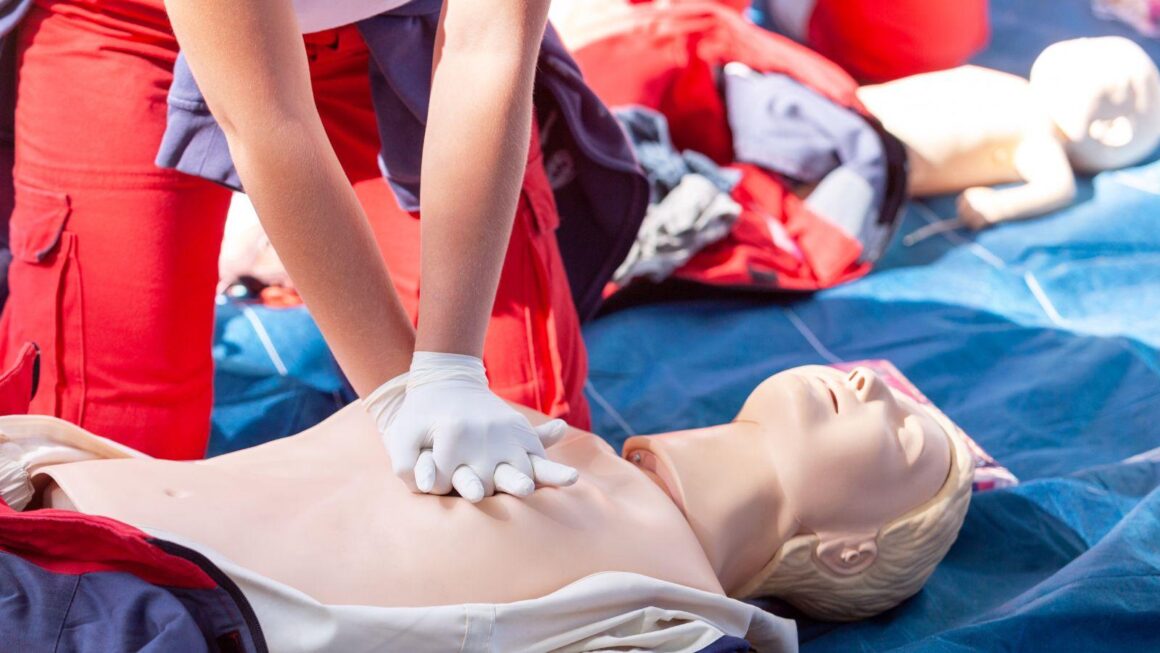
Learning basic life support and CPR allows everyday citizens to protect their loved ones during sudden residential medical crises. By utilizing a flexible learning model, individuals can easily master proper chest compression rhythms and AED operations online before participating in brief, hands-on practical skill sessions.
We spend a lot of time preparing for minor daily annoyances, like packing umbrellas for rain or setting backup phone alarms. But how much time do we spend preparing for a life-altering medical emergency? Most people assume that medical crises only happen to strangers, but statistics show that most cardiac arrests happen right at home. Enrolling in Coast2Coast North York CPR Training ensures you are fully ready to protect your own household when it matters most.
Why do most cardiac emergencies happen at home?
It is a sobering reality to face, but sudden cardiac events rarely happen near a medical clinic or hospital bed. They usually happen while people are watching television, eating dinner, or sleeping in their own beds.
When a family member collapses, you are the true first responder on the scene. Waiting quietly for an ambulance without doing anything can lead to permanent damage. Starting high-quality chest compressions immediately keeps vital oxygen moving to their brain, keeping them alive until the paramedics walk through the door.
How does a split training schedule save you time?
In the past, getting certified meant giving up your entire weekend to sit inside a dark classroom listening to long lectures. Nobody has time for that anymore. That is why modern certification courses use a smart split-learning system.
You can read through the core chapters, watch real-world video examples, and finish your quizzes online from your couch at your own pace. Once that digital part is completed, you simply head into the local facility for a brief, highly focused physical skills review with a certified instructor.
Is using an AED completely foolproof?
A lot of people feel intense anxiety when they see a public defibrillator box hanging on a community wall. They are worried they will accidentally hit a wrong button or cause physical harm to the patient.
During an in-person training class, you will see that these public access machines are entirely automatic and foolproof. They talk to you out loud, giving clear instructions for pad placement and timing. The internal computer reads the patient’s heart rhythm and will absolutely refuse to deliver a shock unless a fatal electrical pattern is found.
What is the value of physical muscle memory?
You cannot learn how to safely ride a bicycle just by reading a blog post, and you certainly cannot learn how to save a life just by watching a video online. Your hands need to feel the physical pressure required to compress a chest correctly.
Physical practice on a medical mannequin builds deep muscle memory. When a real crisis occurs and your adrenaline spikes, your brain might feel overwhelmed, but your body will automatically know exactly how to pump at the right speed. To look over more health tips or explore our course options, you can check out https://www.c2cfirstaidaquatics.com/ anytime.
If you are looking for first aid training near Steeles Ave West, or other areas close to our facility, then you may reach out to Coast2Coast First Aid & Aquatics in that area. For more info and articles like this visit:https://www.c2cfirstaidaquatics.com/
Frequently Asked Questions
1. Do I need a medical background to learn CPR? Not at all. Our courses are built specifically for everyday citizens, parents, students, and regular workplace employees who want to learn basic lifesaving skills.
2. How long does the online theory portion take? The online modules take a few hours to complete, but you can pause and log back in whenever it is convenient for your personal schedule.
3. What is the difference between CPR Level C and BLS? CPR Level C covers basic lifesaving skills for adults, children, and infants for the general public. BLS is an advanced course tailored for healthcare workers and medical staff.
4. How long does my safety certificate stay valid? Most standard CPR and first aid certificates are officially valid for three years from the completion date.
5. How quickly will I get my digital certificate after class? Your official digital certificate is processed quickly and will show up in your email inbox shortly after you successfully pass your in-person session.