
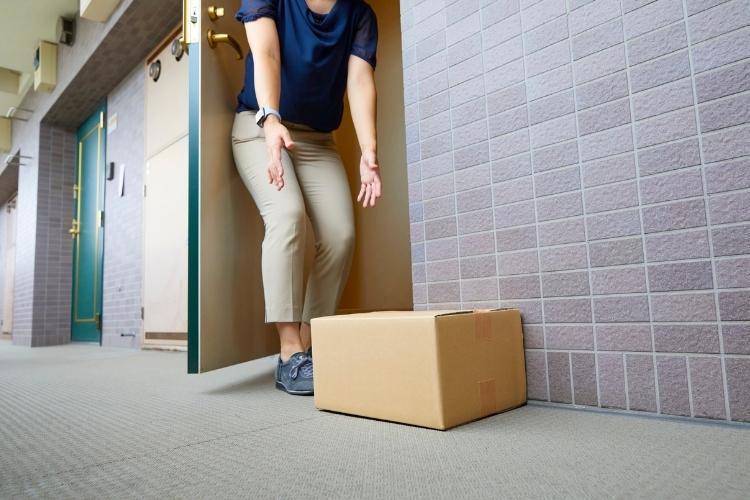
Convenience has always influenced consumer behavior, but today it sits at the center of purchasing decisions. People no longer compare businesses solely on price or product quality. They also evaluate how quickly and easily they can access what they need. With the advancement of digital technology in daily life, home delivery has evolved from a competitive advantage into an expected part of the customer experience.
From groceries and household essentials to healthcare products and pet-related services, businesses across industries are adapting to meet growing demand for speed, flexibility, and convenience. Understanding this shift is critical for companies that want to stay relevant in a rapidly changing marketplace.
Convenience Has Become a Core Consumer Expectation
Modern consumers lead busy lives. Work commitments, family responsibilities, and packed schedules leave little time for unnecessary errands. As a result, people increasingly gravitate toward businesses that remove friction from the buying process.
Home delivery offers a straightforward solution. Customers can browse products, compare options, make purchases, and receive deliveries without leaving their homes. This level of accessibility saves time and simplifies decision-making.
Businesses have responded by streamlining their online experiences, expanding delivery networks, and investing in customer-friendly platforms. The goal is no longer simply to sell a product. Companies must create a purchasing experience that feels effortless from beginning to end.
The rise of convenience-focused shopping has also encouraged industries that traditionally relied on in-person interactions to rethink their approach. Pet-related services provide a good example. Consumers looking for a new companion animal often begin their search online, seeking information, transparency, and a simplified process. Many first-time puppy parents browse available puppies from HonestPet online as part of that convenience-driven journey, allowing them to explore options before taking the next steps.
Technology Is Reshaping Customer Expectations
Technology has played a major role in the evolution of home delivery trends. Online shopping platforms, mobile applications, digital payment systems, and real-time tracking tools have transformed how consumers interact with businesses.
Customers now expect visibility throughout the purchasing process. They want confirmation that an order has been received, updates while it’s being prepared, and notifications when it is on the way. Businesses that communicate clearly often create a smoother customer experience and reduce uncertainty.
At the same time, consumers have become accustomed to personalized recommendations and intuitive online interfaces. A complicated checkout process or confusing website can quickly discourage potential buyers. As a result, companies must continually improve their digital experiences to match rising expectations.
These changes have raised the standard across nearly every industry. Once customers experience convenience in one area of their lives, they begin to expect the same level of service elsewhere.
Industries Are Expanding Beyond Traditional Delivery Models
Home delivery originally gained momentum through retail and food services, but the concept has spread far beyond those sectors. Today, businesses across a wide range of industries offer delivery options designed to meet evolving customer preferences.
Healthcare providers have expanded access to medications and wellness products through delivery services. Local businesses have adopted online ordering systems to reach customers who prefer shopping remotely. Pet-related businesses have also adjusted their models to accommodate consumers who value convenience and digital accessibility.
This shift reflects a broader understanding of consumer behavior. People increasingly prioritize businesses that respect their time. Companies that eliminate unnecessary steps often create stronger customer relationships and encourage repeat purchases.
For business owners, adapting to these expectations requires more than adding a delivery option. It involves rethinking the entire customer journey and identifying opportunities to simplify each stage of the process.
The Competitive Advantage of Convenience
Convenience also strengthens a company’s competitive position. When consumers compare similar products or services, the ease of the purchasing experience often becomes the deciding factor. A business that offers clear information, simple ordering, and reliable delivery may stand out even when competitors offer comparable products.
This reality has influenced how companies approach customer retention. Businesses increasingly focus on reducing barriers, improving responsiveness, and creating seamless interactions that encourage loyalty.
Convenience also supports customer trust. Consistent communication, predictable delivery experiences, and transparent processes help customers feel confident in their decisions. Over time, these positive experiences contribute to stronger brand relationships and repeat business.
Companies that understand this dynamic recognize that convenience is an essential part of the value they provide.
What Businesses Can Learn From Changing Consumer Behavior
The growing demand for convenience offers several lessons for businesses across industries. First, customer expectations rarely remain static. What feels innovative today may become standard tomorrow. Organizations must continually evaluate how consumer preferences are evolving and adapt accordingly.
Second, convenience extends beyond delivery itself. Customers value easy navigation, clear communication, flexible options, and straightforward purchasing processes. Every interaction contributes to their overall perception of a business.
Third, businesses should focus on reducing friction wherever possible. Whether that means simplifying online forms, improving mobile experiences, or offering additional fulfillment options, small improvements can have a meaningful impact on customer satisfaction.
Finally, companies should view convenience as part of a broader customer-centric strategy. Businesses that consistently prioritize customer needs are often better positioned to adapt to future changes in consumer behavior.
Final Thoughts
Home delivery has become one of the clearest examples of how consumer expectations continue to evolve. People increasingly seek solutions that save time, reduce effort, and fit seamlessly into their daily lives. As a result, businesses across industries are rethinking how they deliver products, services, and experiences.
The organizations that thrive in this environment will be those that recognize convenience as a defining factor in how consumers evaluate businesses and make purchasing decisions. Companies that continue to simplify the customer journey will be better prepared to meet the expectations of today’s consumers and tomorrow’s marketplace.