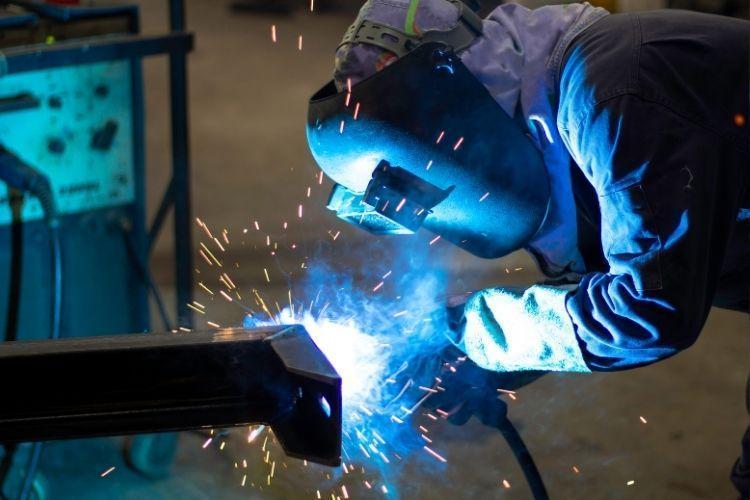
For welding businesses, productivity is closely tied to the equipment workers use every day. Small frustrations with personal protective equipment can slow down work, compromise comfort, and create unnecessary interruptions. A pipeliner welding hood may seem like a straightforward piece of equipment, but choosing the right one can have a practical impact on daily operations.
Pipeline welders often work in demanding conditions where visibility, protection, and freedom of movement matter. A hood must protect the welder while remaining comfortable enough for extended use. It also needs to work with the welder’s preferred lens and withstand regular exposure to a tough working environment.
As the American Welding Society noted in Welding Digest, “The right helmet provides the right protection and allows the operator to weld without restraint.”
For business owners, contractors, and professional welders, that combination can directly influence productivity and work quality.
Why Pipeliner Welding Hoods Matter to Productivity
Productivity in welding is not simply about completing a weld as quickly as possible. It also involves reducing interruptions, minimizing equipment issues, and providing welders with the tools they need to work consistently.
An uncomfortable or restrictive hood can become a distraction. Equipment that does not accommodate a preferred welding lens may also force the operator to change their setup or find an alternative solution.
A good pipeliner welding hood should be simple, reliable, and suited to regular professional use. It does not need unnecessary features that complicate the job. Instead, it should provide dependable protection and support the welder’s existing working preferences.
This is particularly important for welding businesses managing multiple jobs, deadlines, and skilled employees. Equipment issues can quickly become operational issues when workers spend time adjusting gear or replacing products that cannot handle demanding conditions.
Lens Compatibility Can Reduce Equipment Frustrations
One of the most practical considerations when choosing a pipeliner welding hood is lens compatibility.
Welding lenses are available in different designs and thicknesses. Some thicker lenses may not fit certain welding hoods, creating a frustrating situation for welders who have already found a preferred lens.
The pipeliner welding hoods from https://ridgeproductswelding.com/ are designed to accommodate welding lenses of any thickness. This feature applies across the company’s hood variations.
It is a straightforward benefit. Welders can select a lens based on their visibility and working preferences without worrying about whether the lens is too thick for the hood. For a business, greater compatibility can also simplify equipment decisions. Rather than building an entire setup around a helmet’s limitations, welders have more flexibility in selecting lenses.
Visibility remains a significant part of producing consistent work. The American Welding Society explains in Welding Digest, “When welding operators can clearly see the weld pool and surrounding workpiece, it can lead to higher-quality completed welds and less rework.”
Less rework means less wasted time and fewer unnecessary costs. While the welding hood is only one part of the overall setup, compatibility with the right lens can improve visibility and working conditions.
Fiberglass Offers a Practical Combination of Benefits
Durability is another major consideration for professional welding equipment. Welding hoods are exposed to demanding environments and must withstand regular use.
Ridge Products Welding makes all variations of its pipeline hoods from fiberglass. This gives the hoods a useful combination of durability, fire resistance, and low weight. Each of these characteristics matters in a professional setting.
Durability helps equipment withstand the realities of everyday welding work. A hood that is easily damaged may require frequent replacement, leading to additional costs and disruptions.
Fire resistance is an obvious consideration around welding operations, where sparks and heat are part of the working environment.
Weight also matters. A lightweight hood can be more practical for welders who wear protective equipment for extended periods. Heavy equipment may contribute to discomfort and distraction over the course of a long job.
Fiberglass sits at a practical intersection of these benefits. It allows the hood to remain durable and fire-resistant without adding excessive weight.
From a business perspective, equipment that lasts and remains practical for workers can provide better long-term value than products selected primarily on initial cost.
The Design Is Different Without Overcomplicating the Product
Not every useful welding product needs to introduce new technology. Pipeliner welding hoods are established pieces of equipment, and Ridge Products Welding does not position its hoods as a reinvention of the category. The primary difference lies in their unique appearance, combined with practical construction and lens compatibility.
That distinction is important in a market where products are sometimes promoted through complicated feature lists.
A professional welder may simply want a hood that looks distinctive, works with the chosen lens, is lightweight, and withstands regular use. There is value in keeping the product focused on those requirements.
For welding businesses, this also makes purchasing decisions easier. Managers and contractors can assess the product based on clear features rather than trying to determine whether complex additions will provide any meaningful benefit on the job.
A Full-Year Warranty Adds Purchase Protection
Professional equipment is an investment, particularly when a business is buying gear for regular use. Ridge Products Welding provides a full one-year warranty against quality issues on its pipeliner welding hoods. This gives customers a defined period of protection if a product has a quality-related problem.
A warranty does not replace the need to evaluate equipment carefully before purchasing. However, it can provide additional reassurance when investing in gear intended for professional use.
For businesses, warranties are worth considering as part of the overall value of equipment. Purchase price is only one factor. Product durability, replacement frequency, compatibility, and warranty coverage can all affect the real cost of ownership.
The Cheater Lens Limitation Needs to Be Considered
There is one clear limitation buyers need to know before purchasing a Ridge Products Welding pipeliner hood: the current hoods do not fit cheater lenses.
Cheater lenses act as magnifying lenses and are commonly used by welders who need additional visual assistance when working. For professionals who rely on this type of lens, the lack of compatibility is a significant drawback.
Ridge Products Welding plans to address this limitation in the future, but the current hood design does not accommodate cheater lenses.
This should be considered before buying. A welder who depends on a cheater lens will need to look at another option until compatible hoods become available.
Clear product limitations matter when businesses are purchasing equipment. Knowing exactly what a product can and cannot accommodate helps prevent unsuitable purchases and allows managers to select gear based on their workforce’s actual requirements.
Choosing a Pipeliner Welding Hood for Professional Use
When assessing pipeliner welding hoods, businesses and welders should focus on practical requirements. Lens compatibility should be checked first, particularly when the operator uses a thicker welding lens. Construction materials, overall weight, and durability should also be considered in light of the working environment.
Buyers should then look at warranty coverage and any limitations that could affect the individual welder. In the case of Ridge Products Welding, broad compatibility with welding lens thicknesses is a clear advantage, while the lack of cheater lens support is a clear disadvantage. The right decision ultimately depends on how the hood will be used.
The Bottom Line
The right pipeliner welding hood can support productivity by reducing equipment frustrations, accommodating preferred lenses, and providing durable protection without unnecessary weight.
Ridge Products Welding takes a simple approach to the category. Its fiberglass pipeliner hoods are lightweight, fire-resistant, durable, compatible with welding lenses of any thickness, and covered by a full one-year warranty against quality issues. The distinctive designs also give welders an alternative to more conventional-looking hoods.
The current lack of compatibility with cheater lenses is an important limitation that should not be overlooked.
For welders who do not use cheater lenses, however, the combination of lens compatibility, fiberglass construction, and straightforward warranty coverage makes these hoods worth considering. For welding businesses, selecting equipment based on real working requirements rather than unnecessary complexity can support better productivity, safer working practices, and consistent work quality.