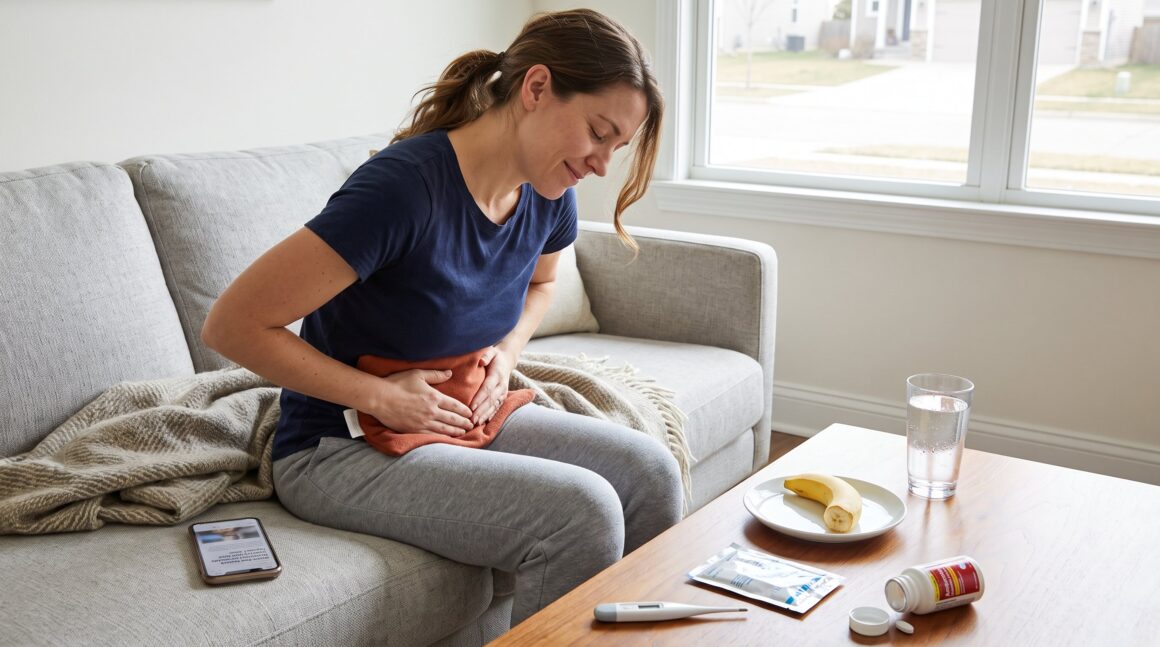
kramp nedre delen av magen commonly describes sharp or dull cramping in the lower belly. This guide explains common causes, how to tell types apart, safe at‑home relief, and when to seek care. It focuses on clear actions readers can take today and what signs mean urgent evaluation is needed. The information is practical and rooted in common clinical findings so they can act with confidence.
Key Takeaways
- Kramp nedre delen av magen is most commonly caused by benign issues like gas, constipation, menstrual pain, or mild infections affecting the lower abdomen.
- Different types of lower abdominal cramps can be distinguished by their symptoms and red flags, such as fever, vomiting, or blood, which indicate the need for urgent medical care.
- Safe at-home relief includes applying heat to the lower abdomen, staying hydrated with clear fluids, and using over-the-counter remedies like stool softeners or acetaminophen for mild pain.
- Persistent, severe, or sudden lower abdominal cramps, especially with fever, bleeding, or during pregnancy, require prompt medical evaluation to rule out serious conditions like appendicitis or kidney stones.
- Early recognition and appropriate self-care of lower abdominal cramps can reduce discomfort and prevent unnecessary emergency visits, but awareness of warning signs ensures timely professional treatment.
Common Causes Of Lower Abdominal Cramps
Fact: Most lower abdominal cramps come from benign causes such as gas, constipation, menstrual pain, or a short viral stomach infection. These account for roughly 70–80% of presentations in primary care settings.
Gas and constipation produce intermittent cramping that often improves after passing stool or gas. A person may feel bloated, full, and firm in the lower abdomen. For example, a worker who delays bathroom breaks for days may develop cramp pain that eases after a bowel movement.
Irritable bowel syndrome (IBS) causes recurrent lower cramps with changes in stool frequency or form. IBS affects about 10–15% of adults in many countries. The cramps can vary with stress or diet.
Infections and food poisoning cause cramps that come with diarrhea, nausea, or vomiting. Viral gastroenteritis often causes cramps for 24–72 hours and resolves with fluids and rest. Bacterial foodborne illness may last longer and sometimes causes fever.
Menstrual pain is a leading cause of lower abdominal cramps in people of reproductive age. The pain often follows a monthly pattern and begins a day before or during menstruation. It typically lasts 1–3 days.
Urinary tract infection (UTI) or kidney stones can also cause lower abdominal or flank cramping. A UTI often includes burning with urination and frequency. Kidney stones cause sudden, severe one‑sided pain that may radiate toward the groin.
Less common but serious causes include bowel obstruction, intestinal ischemia, perforated ulcer, and appendicitis. These conditions often present with severe, sudden, or worsening pain, and they need urgent evaluation. For instance, bowel obstruction may show distention, vomiting that won’t stop, and absent bowel movements for more than 24 hours.
Practical note: a single episode of mild cramping usually reflects gas or mild constipation. If cramps recur, change daily function, or include other symptoms, medical evaluation is prudent.
How To Tell Different Types Of Cramps Apart (Symptoms And Red Flags)
Answer: The pattern of symptoms and red flags help distinguish common cramps from dangerous causes.
Gas or constipation: cramps are intermittent and often improve after passing stool or gas. The abdomen may feel full. Bowel movements that are infrequent or hard point to constipation. No fever or major systemic symptoms usually appear.
Infection-related cramps (viral or bacterial): cramps come with diarrhea, vomiting, fever, or dehydration. If a person has 6–10 watery stools per day, muscle weakness, or persistent vomiting, they risk dehydration and should rehydrate with an oral rehydration solution.
Menstrual cramps: pain follows a predictable monthly cycle and often includes lower back pain and cramping that begins 24 hours before menses. Pain from endometriosis or pelvic inflammatory disease can mimic menstrual cramps but often lasts longer and may cause heavy bleeding or infertility.
UTI and kidney stones: UTI causes burning on urination and urgency, plus low abdominal pressure. Kidney stones cause sudden, excruciating one‑sided pain that comes in waves and often causes nausea. Blood in the urine or visible stones on imaging confirms stones.
Red flags that require immediate care:
- Severe, sudden, or worsening pain that prevents movement.
- Any abdominal pain with fever above 101°F (38.3°C).
- Persistent vomiting or inability to keep fluids down for more than 24 hours.
- Blood in stool, urine, or vomit.
- Signs of shock: lightheadedness, fainting, or very low blood pressure.
- For pregnant people: any sharp, one‑sided pain or heavy bleeding.
Example: a 34‑year‑old who develops sudden severe lower right pain with fever and nausea likely needs evaluation for appendicitis. Delaying care can lead to rupture. When red flags appear, emergency assessment reduces risk.
Safe At-Home Relief And Self-Care Strategies
Insight: Simple, evidence‑based self-care often eases most lower abdominal cramps within 24–72 hours. These measures also reduce visits to urgent care.
Heat: apply a warm heating pad or warm water bottle to the lower abdomen for 15–20 minutes. Heat relaxes muscles and reduces cramp intensity. Users often report a clear drop in pain within 30–60 minutes.
Hydration and diet: drink clear fluids and avoid alcohol for 24 hours after vomiting or diarrhea. Rehydration solutions with electrolytes prevent dizziness and weakness. Eat light foods, bananas, rice, applesauce, and toast, until symptoms improve. Avoid fatty and spicy foods for 48 hours.
Over‑the‑counter remedies: for constipation, stool softeners (e.g., docusate) or osmotic laxatives (e.g., polyethylene glycol) commonly help: expect bowel improvement in 24–72 hours. For mild pain, paracetamol (acetaminophen) is safe. Avoid NSAIDs like ibuprofen if stomach ulcer or gastritis is possible because they can worsen bleeding or irritation.
Movement and positioning: gentle walking or lying in a fetal position can relieve cramping. For menstrual cramps, low‑impact exercise for 20–30 minutes three times a week reduces intensity over time.
When to use antibiotics or prescription therapy: antibiotics are indicated for confirmed bacterial infections or a diagnosed UTI. They are not useful for viral gastroenteritis. For chronic conditions like IBS or dysmenorrhea that do not respond to basic measures, a clinician can prescribe targeted therapies.
Common mistakes: people often take multiple over‑the‑counter painkillers at once. That can cause liver or stomach damage. They also delay care when red flags appear. An honest lesson: earlier hydration and a single appropriate analgesic often prevent escalation.
Practical example: a person with cramp pain after a family picnic and two days of watery stools should start oral rehydration, rest, and avoid solid food for several hours. If diarrhea persists beyond 72 hours or fever develops, they should see a clinician.
Conclusion
Takeaway: kramp nedre delen av magen most often comes from gas, constipation, menstrual pain, or mild infection and improves with heat, fluids, and simple medicines. They should seek urgent care when pain is severe, sudden, lasts with fever or bleeding, or occurs during pregnancy. ModernBusinessLife recommends prompt evaluation for red flags: early action prevents complications and gives clearer treatment options.