Growing a small business often means reaching customers overseas, and Germany is one of the destinations many US-based sellers ship to regularly. For those who want to send parcel from the US to Germany, one option is to arrange delivery digitally through Meest-America and have a practical, predictable shipping experience. Having access to clear steps helps avoid repeated preparation and prevents common delivery delays, especially when the order includes handmade or delicate products.
Understanding the Product Before Packing
Before selecting a box or packaging material, small business owners usually review two things: item fragility and final weight. Lightweight items can become heavy once foam, fillers, and large boxes are added, so planning ahead helps avoid unnecessary costs.
In many cases, items such as skincare accessories, artisanal crafts, or printed merchandise do not require thick packaging. What protects them most is stability — meaning no moving space inside the box. A product that shifts during transit is more likely to break than a securely positioned one.
It also helps to secure each item individually. Even if multiple items go to the same customer, wrapping each separately prevents friction and scratches.
A Practical Packing Routine That Works Consistently
A simple, repeatable routine helps reduce mistakes, especially when preparing multiple parcels at once. Before sealing the box, business owners often run through a short list of actions to confirm everything is positioned correctly.
Steps commonly followed when packing goods for Germany:
- Choose a rigid box that fits the item with minimal empty space.
- Wrap individual pieces separately if the order contains multiple items.
- Add light cushioning around corners only, not across the whole base.
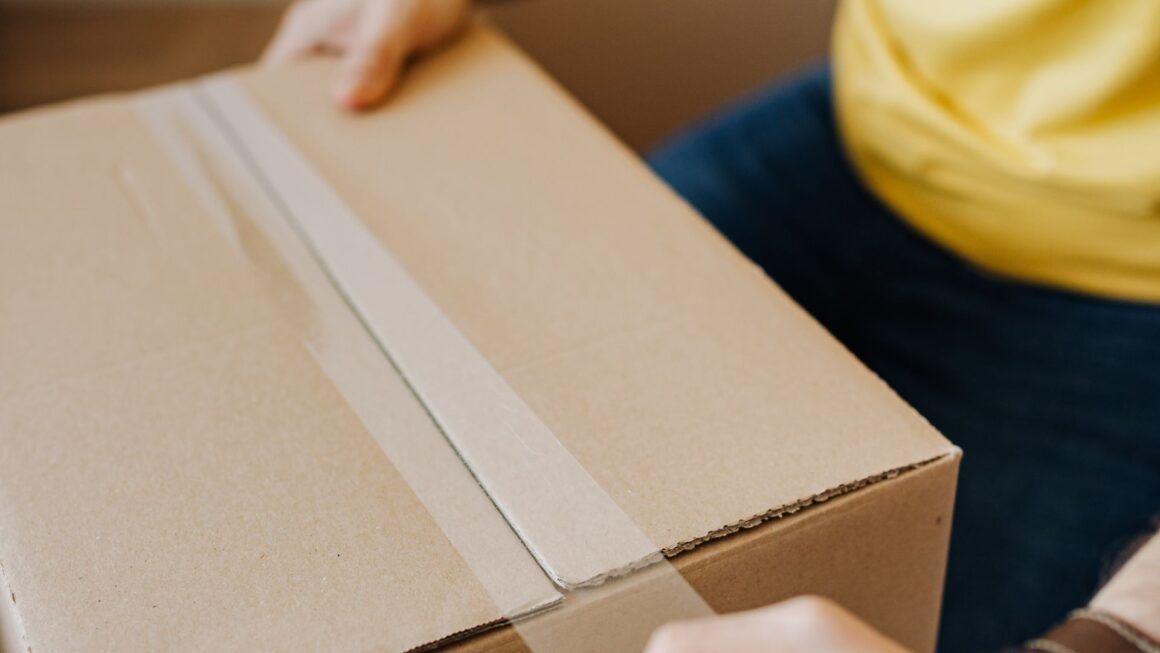
- Seal the top edges with additional tape to strengthen the structure.
- Place a printed invoice or note inside for easier customs handling.
After sealing the package, weighing the final box is useful. It prevents surprises at payment and keeps the shipment within the correct pricing tier. Recording the weight also helps when estimating delivery times later.
Labelling Matters More Than Many Expect
When sending parcels to another country, clear labelling is as valuable as good packaging. Addresses must include the postal code, house number, and the correct spelling of German city names. Even short mistakes, such as replacing ß with ss in street names, can slow down sorting.
A good approach is to print the label rather than write it by hand. Printed information stays readable when exposed to moisture or pressure, especially during airport processing. Many small business owners print two identical labels — one outside and one placed inside the box — so that couriers can still identify the parcel if the original sticker becomes damaged.
Planning Dispatch Timing for Smoother Delivery
Shipping earlier in the week often speeds up overall delivery. Parcels handed over on Thursdays or Fridays may wait until Monday for international routing, which adds several days. When shipping through an online service, it becomes easier to predict the delay because tracking provides exact timestamps.
Small business owners frequently schedule dispatches based on their production timeline. For example, if a handmade product dries or cures for two days, packing happens on the third day, and sending happens on the fourth. This reduces errors caused by rushing.
Conclusions
Sending parcels internationally is a regular part of running a growing business, and clarity at each stage helps maintain customer trust. Many sellers turn to Meest-America because they can create shipments online, print documents immediately, and track progress without separate log-in systems.
When packaging is tight, labels are readable, and timing is planned logically, sending a parcel from the US to Germany becomes a dependable part of business operations rather than a stressful task. The customer receives their order in predictable condition, and the sender maintains confidence with every new shipment.