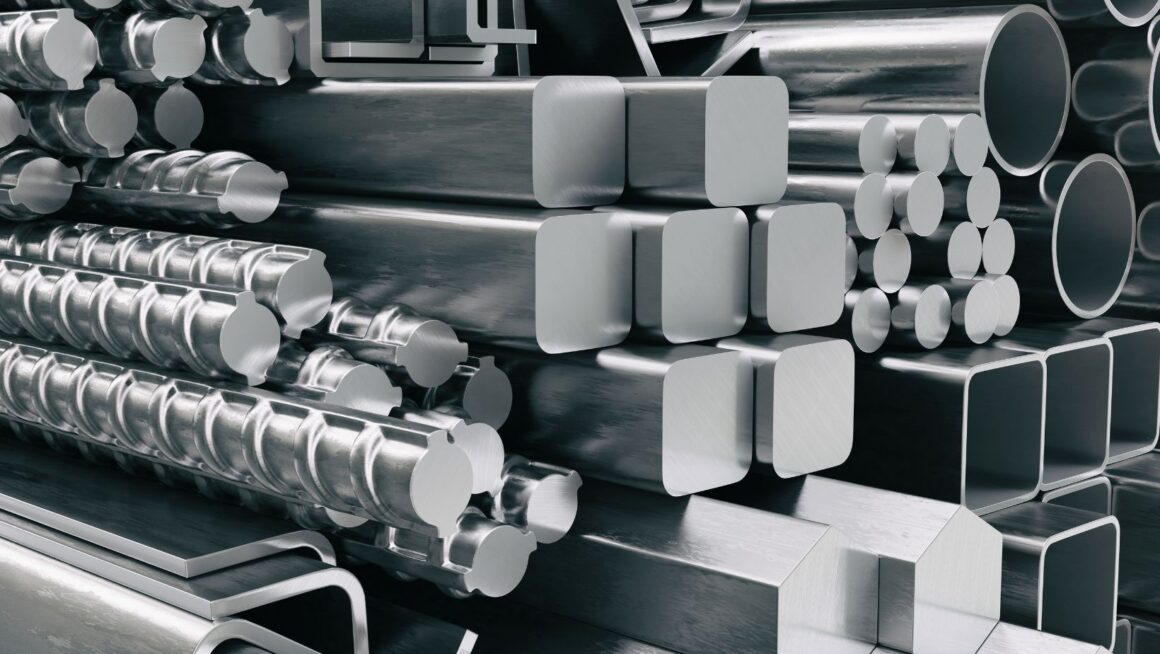
Stainless steel plays a critical role across manufacturing, construction, food processing, and energy sectors. Its strength, corrosion resistance, and clean finish make it a preferred material for demanding applications. At the same time, these very properties make it more difficult to cut than many other metals. And poor cutting performance can lead to material waste, inconsistent quality, and rising operational costs.
For businesses that rely on stainless steel fabrication, understanding these challenges is essential. Cutting is not just a technical step. It directly affects productivity, throughput, and finished product quality. That said, this article takes a clear look at the most common challenges of working with stainless steel and explains how top businesses overcome them through the right technologies.
Read on!
The Core Challenges of Cutting Stainless Steel
Stainless steel behaves differently under heat and mechanical stress compared to carbon steel or aluminum. These differences create several recurring issues on the shop floor that can disrupt production if not properly managed.
Common challenges include:
- Excessive heat buildup, which can lead to warping or distortion during cutting.
- Work hardening, where the material becomes harder as heat increases, making clean cuts more difficult.
- Edge quality problems, including dross formation and rough or uneven finishes.
- Inconsistent results across varying thicknesses, especially in mixed-material operations.
- Accelerated consumable wear, increasing downtime, and replacement costs.
Each of these issues has a direct business impact. Warped parts require rework. Poor edge quality increases secondary finishing time. Inconsistent cuts reduce repeatability and strain production schedules. For many businesses, solving these challenges starts with choosing the right cutting approach.
How Businesses Overcome These Challenges
Overcoming these challenges begins with selecting the right cutting technology. Each method manages heat, precision, and efficiency differently. This is why businesses often evaluate multiple options based on production needs, material thickness, and quality requirements.
Plasma Cutters
When it comes to cutting stainless steel, plasma cutters are widely used by businesses that need a practical balance of speed, flexibility, and control. These systems use an electrically conductive arc to melt the metal, while a high-velocity gas stream removes the material. This makes the process efficient for a wide range of stainless steel thicknesses.
A key advantage of plasma cutting is how well it adapts to production demands. Operators can adjust cutting speed, amperage, and torch height to better manage heat input. This helps reduce common issues such as excessive dross, edge roughness, and heat distortion, which are frequent concerns when working with stainless steel.
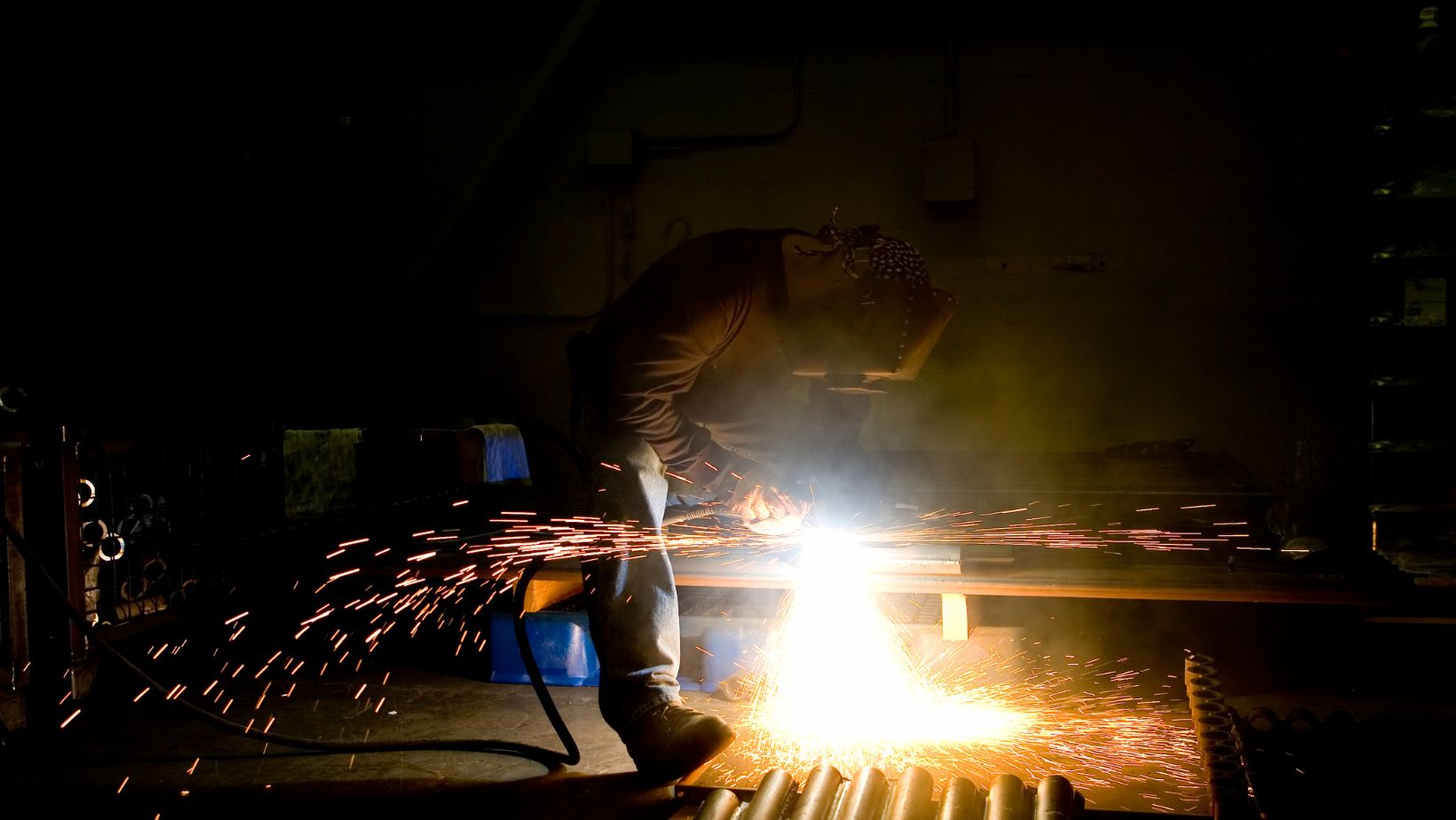
What strengthens the tech even further is the technology built into modern systems. Leading manufacturers such as Hypertherm design plasma cutters with stable arc performance, precise torch height control, and consumables engineered for stainless steel. These features support more consistent cut quality and help businesses maintain productivity without unnecessary rework.
Waterjet Machines
Waterjet cutting provides an alternative approach for stainless steel applications where heat must be avoided altogether. This method uses a high-pressure stream of water, often mixed with an abrasive material, to cut through metal without introducing a heat-affected zone. Because no thermal energy is applied, the material’s structural properties remain unchanged.
This makes waterjet cutting particularly useful for thick stainless steel plates or components where distortion, microcracking, or metallurgical changes would be unacceptable. It is also valuable in applications that require cutting multiple materials at once or producing complex shapes without thermal stress.
The trade-off with waterjet cutting is speed and operating cost. Cutting times are longer compared to plasma or laser methods, and abrasive consumption adds to expenses.
Laser Technology
Laser cutting is commonly used when precision and edge quality are the primary requirements. This method uses a focused beam of light to melt or vaporize material along a controlled path. Because the beam is narrow and highly concentrated, laser cutting produces clean edges and tight tolerances, which are important for components that require minimal secondary finishing.
For stainless steel, laser cutting is especially effective on thin to medium gauges. It allows for intricate designs and repeatable accuracy, making it suitable for industries where appearance, fit, and dimensional consistency matter. The reduced kerf width also helps minimize material waste, which can be a cost advantage in certain production environments.
However, laser cutting comes with limitations that businesses must consider. Equipment investment is typically higher, and cutting efficiency decreases as material thickness increases. As a result, laser cutting is often used selectively.
Closing Lines
Cutting stainless steel presents real challenges, from heat management to edge quality and consumable wear. However, these challenges are manageable with the right approach. Businesses that pair suitable cutting technology with optimized parameters, trained operators, and disciplined maintenance practices are better positioned to achieve consistent results. By treating stainless steel cutting as a strategic process rather than a routine task, organizations can reduce waste, improve quality, and strengthen overall operational performance.