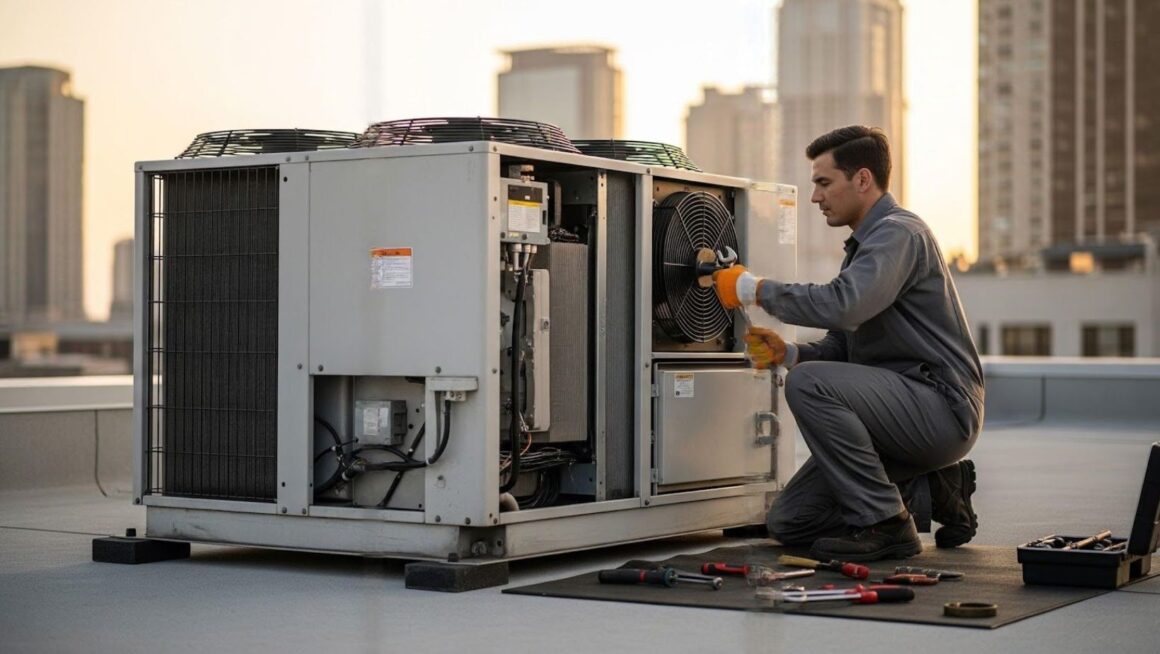
Business environments depend on stable, comfortable climates to ensure productivity and customer satisfaction. As your company grows or your building ages, the existing cooling system may struggle to meet new demands. Recognizing the signs of an overmatched or failing unit is crucial for maintaining operational continuity. Proactive upgrades prevent sudden failures, improve energy efficiency, and enhance overall environmental control. Understanding these indicators helps leaders make informed decisions about vital infrastructure investments.
Evaluating Rising Operational Expenses
Escalating energy bills often provide the first clue of system inefficiency. An outdated air conditioner must work significantly harder to maintain set temperatures, consuming excessive electricity. Monthly utility costs may creep upward even with stable usage patterns. Comparing current bills with those from previous years under similar conditions reveals this troubling trend. Modern commercial units utilize advanced inverter technology and eco-friendly refrigerants designed for lower consumption. Upgrading can transform a major overhead expense into a source of long-term savings.
Consulting with Industry Professionals
When inefficiency signs appear, seeking expert advice is the logical next step. Specialists like G2 Refrigeration and Air Conditioning can perform a detailed assessment of your current setup. Their evaluation determines if existing equipment can be repaired or if replacement offers better value. Professional installers calculate the precise cooling capacity, measured in BTUs or tons, required for your specific square footage and occupancy. This expert guidance ensures any new installation matches your commercial needs exactly, avoiding underperformance or wasteful oversizing.
Noticing Inconsistent Temperature Regulation
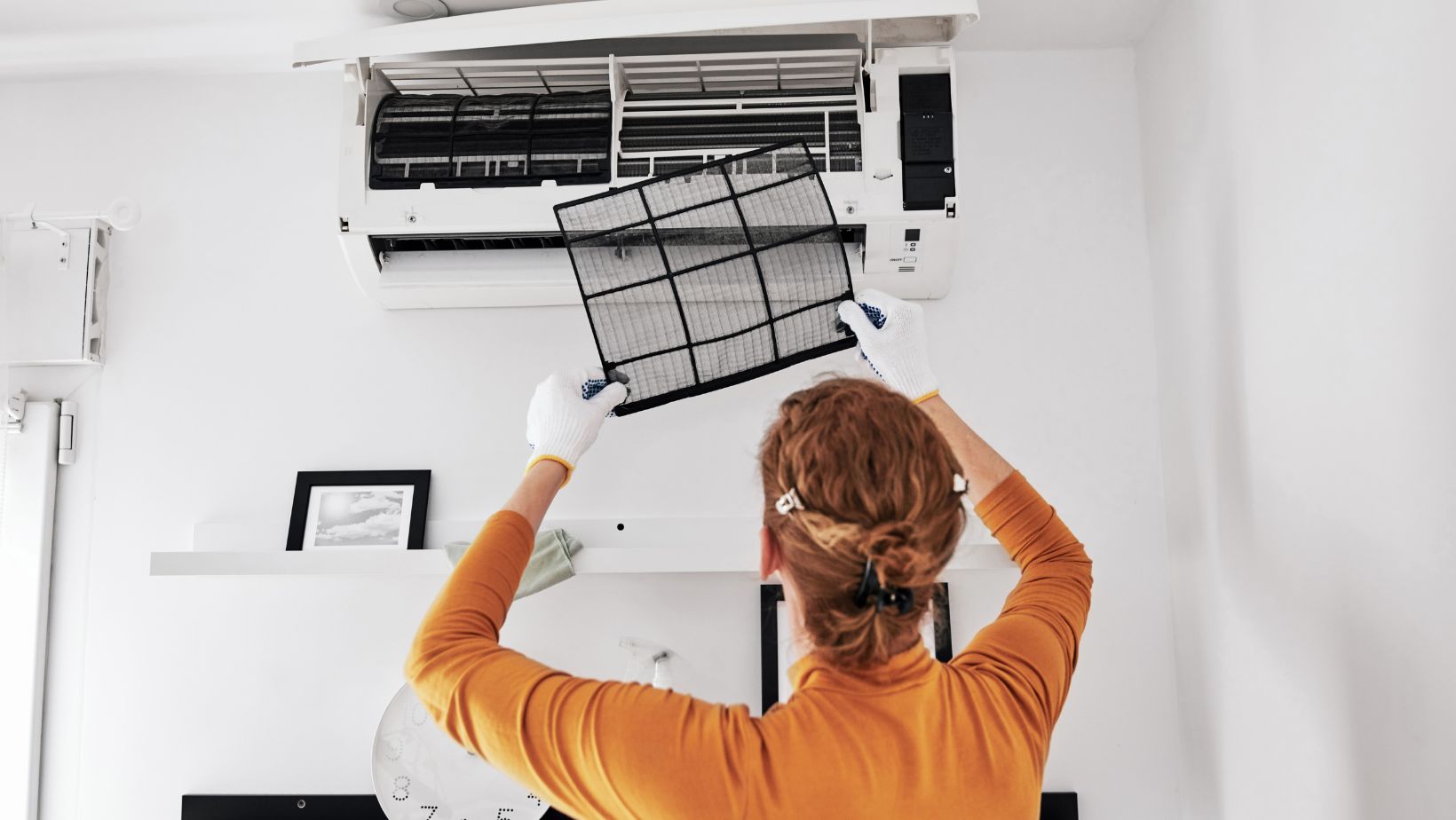
Uneven cooling signals a system struggling beyond its capacity. Employees might complain about hot and cold spots throughout the workspace. Meeting rooms may not cool adequately before client arrivals, or server rooms could overheat dangerously. These inconsistencies indicate the unit cannot handle the building’s thermal load or has failing components. A modern commercial system with zoned control capabilities can solve this by delivering targeted, reliable cooling exactly where needed, eliminating comfort complaints.
Addressing Frequent Repair Requirements
A pattern of constant breakdowns is a definitive warning. If service calls become a quarterly routine, cumulative repair costs quickly become unsustainable. Frequent failures also cause disruptive downtime, halting business operations and frustrating everyone inside. When repair expenses approach half the cost of a new, efficient system, replacement becomes the economically sound choice. Investing in new equipment shifts spending from repetitive fixes to predictable performance and warranty-backed reliability.
Observing Declining Air Quality and Flow
The cooling system plays a key role in indoor air management. Musty odors, excessive dust, or visible humidity issues often stem from an aging unit. Clogged ducts, mold growth within the system, or a malfunctioning dehumidification function are common culprits. Modern commercial air conditioners incorporate sophisticated multi-stage filtration and humidity control. Upgrading improves the health of the workplace environment, potentially reducing employee allergies and safeguarding sensitive inventory or electronics from dampness.
Planning for Business Expansion or Renovation
Physical changes to your workspace necessitate a climate control review. Expanding your floor area, adding heat-generating equipment, or increasing staff numbers all raise the cooling demand. An older system, already operating at its limit, cannot accommodate this extra load. A planned renovation or build-out presents the ideal opportunity to integrate a new, appropriately sized system. Proactively addressing capacity needs during construction prevents future operational headaches and ensures comfort from day one.
Hearing Unusual Operational Noises
Strange sounds from your air conditioner demand immediate attention. Loud grinding, persistent rattling, or high-pitched squealing typically indicate serious mechanical failures. These noises may come from failing compressors, loose components, or overtaxed motors. While some issues can be temporarily repaired, such symptoms in an older unit often herald a complete system collapse. Investing in a new, quiet-running commercial system restores a peaceful professional atmosphere and provides operational peace of mind.
Considering System Age and Environmental Standards
Finally, consider the unit’s manufacturing date. Most commercial cooling systems have a functional lifespan of 10 to 15 years. Beyond this point, efficiency drops sharply and replacement parts become scarce. Newer models also comply with current environmental regulations regarding refrigerant use, avoiding potential future compliance issues. Upgrading modernizes your infrastructure, dramatically cuts energy use, and aligns your business with contemporary environmental standards, enhancing your corporate responsibility profile. Recognizing these signs positions your business to act strategically, ensuring your premises remain productive and comfortable for years to come.