

Running a business is one of the most effective paths to building wealth, but it can also be unpredictable. Revenue fluctuates, markets shift, and even great companies face cycles where cash flow tightens. That’s why many business owners look for assets that can stabilize long-term wealth while still offering growth.
Property has stayed near the top of that list for decades, and it’s not just because “real estate always goes up.” When used thoughtfully, property can complement your business by adding cash flow, improving tax efficiency, hedging inflation, and creating options you can use later—like collateral for expansion or a retirement income stream.
Let’s unpack why property remains so powerful, and how business owners can approach it without distracting from their core company.
1) Property Adds a Second Engine of Wealth
Most entrepreneurs build wealth in one place: their business. That focus can be a strength, but it also concentrates risk. A single industry downturn, regulatory change, or new competitor can reduce business value quickly, even if you’ve done everything right.
Property can act as a second engine—one that often behaves differently than your operating business. Even when business profits fluctuate, a well-chosen property can continue to generate rent, appreciate over time, or hold value better than more volatile assets. This doesn’t mean property is “risk-free,” but it can broaden the base your wealth stands on.
2) Leverage Works Differently
In most businesses, taking on debt usually increases pressure because repayments depend on business performance. Property leverage is different because the asset itself often produces income and can be sold if needed. That makes real estate financing easier to structure conservatively.
When you borrow to buy property, you’re using a bank’s money to control a large asset that may rise in value over time. If rent covers most (or all) of the monthly payment, you can build equity steadily without injecting large sums every month. The key is to avoid over-leveraging and to stress-test the numbers for higher interest rates or temporary vacancies.
3) Inflation Can Become Your Ally
Inflation hurts businesses in obvious ways—higher input costs, wage pressure, and customers who become price-sensitive. But property can respond to inflation more naturally than many assets, because rents and replacement costs often rise with prices over time.
If you own a property in a strong area, you may be able to adjust rent gradually as the market moves. Meanwhile, if you have a fixed-rate loan, inflation effectively reduces the real burden of that debt over time. This combination—rising rents and “shrinking” debt in real terms—is one reason property has remained a long-term favorite.
4) Owning Your Business Premises Can Reduce Operational Risk
The most straightforward property advantage, which is owning the building where your business conducts operations, is often overlooked by a number of business proprietors. If your situation is that of renting, then you will have to grapple with what might be the rising rent, non-renewable lease, and also you will have limited authority over that area. However, ownership could assure you of stability and make your location strategy safe.
For certain businesses—warehouses, workshops, clinics, studios, small manufacturing, or even office-based teams—owning the premises can also create a “forced savings plan.” Instead of paying rent forever, you pay toward an asset you can later sell, refinance, or lease out. You also gain the freedom to renovate, expand, and tailor the property to improve productivity and customer experience.
5) Tax Efficiency Can be a Real Advantage
Property ownership often comes with tax considerations that can be beneficial, depending on local rules and how you structure ownership. In many cases, you may deduct certain expenses related to maintaining and operating the asset, and the property may allow depreciation or other accounting treatments.
This is a place to be careful, not clever. Work with a qualified tax professional to ensure compliance and choose a structure that matches your goals—whether that’s stable income, long-term growth, or asset protection. A “good deal” can become a headache if the paperwork, financing terms, or ownership structure is wrong.
6) A Clear Plan Beats “Buying Something” Every time
Business owners are decisive by nature, which can be a superpower—and a trap. In property, impulsive buying often leads to underperforming assets that drain attention and cash. Before you purchase anything, define what the property is supposed to do for your overall financial life.
A simple property investing strategy starts with three questions:
- Do you want cash flow now, or growth over time?
- How hands-on do you want to be?
- What risk can you tolerate if vacancies or repairs appear at the worst possible time?
From there, you can choose a property type (residential, commercial, mixed-use, land, small multi-family), a location profile (prime vs. emerging), and a management approach (self-managed vs. professional). The best plan is one you can execute consistently without pulling you away from running your company.
7) Property Creates Options You Can Use Later
Options are underrated. Entrepreneurs love flexibility—being able to pivot, expand, or make a big move when the timing is right. Property can create that flexibility in multiple ways.
If your property gains equity, you may refinance to free capital for business expansion, equipment purchases, or a new branch. If your business matures, you might sell the company and keep the property as an income asset, leasing it to the new operator. Or you might use rental income as a “paycheck replacement” later, reducing pressure to sell your business too early.
8) The Deals Often Come From Relationships and Due diligence
Real estate is local and relationship-driven. The same property can be an excellent investment for one owner and a poor one for another depending on financing terms, renovation skills, tenant strategy, and timing. That’s why your team matters.
When you’re ready to search seriously, experienced real estate agents can help you understand pricing, neighborhood dynamics, tenant demand, and negotiation realities. Still, don’t outsource your judgment—treat every potential purchase like you’d treat a major business decision. Verify titles, run numbers conservatively, inspect the building thoroughly, and assume surprises will happen.
Some business owners also diversify property exposure through structured marketplaces like Gold Standard Auctions, where Gold Standard Auctions enables access to property-backed opportunities aligned with long-term wealth planning.
9) Common Mistakes Business Owners Should Avoid
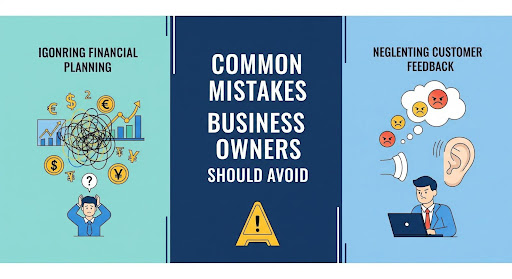
Property can be powerful, but it punishes overconfidence. A few pitfalls show up repeatedly among high-performing entrepreneurs:
- Buying based on emotion (“It feels like a good area”) instead of numbers.
- Underestimating repair costs, vacancy periods, and maintenance time.
- Choosing complex properties that demand attention when your business is already demanding.
- Relying on optimistic rent projections instead of conservative market ranges.
- Ignoring liquidity needs—property can take time to sell when you need cash fast.
If you avoid these, you don’t need to be a “real estate genius” to do well. You just need discipline, patience, and a clear connection between the property and your larger financial goals.
Conclusion: Property is Still One of the Best “Boring” Wealth Builders
Business ownership can create outsized wealth, but property often protects and compounds it. It can diversify your risk, add steady income, hedge inflation, and give you future options—especially when you treat it like an investment, not a trophy.
If you’re a business owner considering property, start small, model your worst-case scenario, and build a repeatable approach that doesn’t steal focus from what you do best. Over time, the combination of business growth and property equity can be one of the strongest wealth-building partnerships available.