
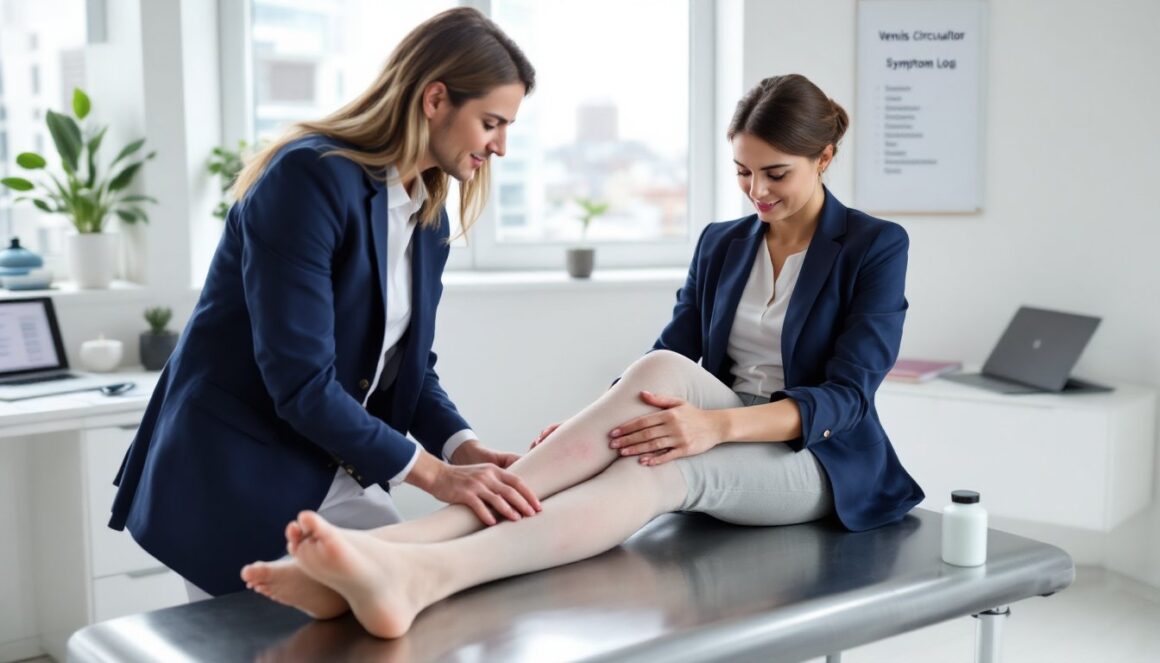
Seeing unexplained scratches, itchiness, or purple patches on the lower legs is unsettling, especially when it’s a recurring problem. The phrase φαγούρα και μελανιές στα πόδια (Greek for “itching and bruises on the legs”) covers a range of everyday causes from dry skin and knocks to medication effects or circulation problems. This guide cuts through the confusion: what commonly causes those marks, when they suggest something serious, immediate self-care that helps, and simple prevention strategies people can use at home.
Key Takeaways
- Itching and bruises on the legs often result from dry skin, minor injuries, allergic reactions, or medication effects, and usually improve with proper moisturizing and gentle care.
- Applying cold compresses and elevating the legs can reduce swelling and discomfort from new bruises while daily use of fragrance-free creams helps soothe itchiness and protect skin.
- Frequent, large, unexplained bruises or severe, persistent itch require prompt medical evaluation to rule out serious conditions like bleeding disorders or systemic disease.
- Maintaining good skin hygiene with mild soaps, avoiding irritants, and protecting legs from trauma are essential prevention strategies for sensitive or bruise-prone skin.
- People on anticoagulants or blood thinners should closely monitor bruising and report any worsening symptoms to their healthcare provider immediately.
Common Causes Of Itching And Bruising On The Legs
Itchy, bruised legs usually come from a handful of predictable problems. Understanding them helps decide whether home care will do or a doctor visit is needed.
-
Minor trauma and blunt force: Bumping a coffee table, doorframe, or furniture creates subcutaneous bleeding, a bruise, that often itches as it heals. Older adults bruise more easily because aging skin thins and the soft tissue under the skin is less protective.
-
Dry skin and xerosis: Low humidity, hot showers, or harsh soaps strip oils from the skin. Dry skin on lower legs leads to itching, flaking, and micro‑tears that can look like or precede bruises.
-
Allergic/contact dermatitis: New laundry detergent, topical creams, or plants can trigger redness and itch. These reactions may be localized or spread over days depending on exposure.
-
Chronic skin diseases: Eczema (atopic dermatitis) and psoriasis commonly produce intense itch and can break the skin, raising the chance of secondary bruising or marks.
-
Medications and supplements: Drugs that affect clotting, blood thinners (warfarin, direct oral anticoagulants), aspirin, NSAIDs, and even supplements like fish oil or ginkgo, can increase bruising tendency. Corticosteroids (topical or systemic) thin the skin and make veins more fragile.
-
Venous stasis and varicose veins: Poor leg circulation leads to chronic skin changes, brownish discoloration, itch, and easy bruising, especially near the ankles. This is often more than cosmetic and benefits from vascular care.
-
Systemic disease and bleeding disorders: Diabetes, liver or kidney disease, autoimmune conditions, hematologic disorders, and some cancers may present with unusual bruising or generalized itch. Frequency, size, and whether other symptoms (fatigue, weight loss) are present matters.
Practical note: People often expect a single cause. Frequently, a combination, dry skin plus a mild anticoagulant plus a bump, explains pronounced marks. Keep a simple symptom log (when lesions appear, what medications were started, recent exposures) to help clinicians if needed.
When To Worry: Red Flags, Serious Conditions, And When To See A Doctor
Most cases are benign, but certain signs require prompt medical attention. If any of these occur, seek evaluation.
-
Frequent, large, unexplained, or painful bruises: Bruises that appear without remembered trauma or that are unusually large suggest a bleeding tendency or platelet problem and should be checked.
-
Severe or persistent itch: Itch that lasts more than 1–2 weeks even though appropriate moisturizers and topical treatments, or itch that’s body‑wide and disrupts sleep, needs evaluation for systemic causes.
-
Systemic symptoms: Fever, night sweats, unintentional weight loss, extreme fatigue, or new abnormal bleeding (nosebleeds, bleeding gums) are red flags for systemic disease.
-
Signs of infection: Increasing redness, warmth, swelling, streaking, tenderness, or pus around a bruise or itchy lesion can indicate cellulitis or infected dermatitis, these often require antibiotics.
-
Anticoagulant use: Anyone on blood‑thinning medication who notices increased bruising, blood in urine/stool, or falls should contact their prescribing clinician promptly.
-
Venous or arterial concerns: Persistent swelling, severe leg pain, or sudden onset of unilateral swelling and warmth could be deep vein thrombosis (DVT) and is an emergency.
What clinicians typically do: Primary care providers will review medication lists, perform a focused skin and vascular exam, and may order labs (CBC, liver and kidney tests, coagulation studies) or imaging if circulation issues are suspected. Always tell the clinician about supplements like fish oil or herbal remedies, as these affect bleeding risk.
Immediate Self-Care And Home Treatments For Itching And Bruising
For mild, recent bruises and itch without red flags, several effective self-care steps help speed recovery and reduce discomfort.
-
Immediate bruise care
-
Apply a cold compress or ice wrapped in a cloth to a new bruise for 10–15 minutes every hour for the first 24 hours to reduce bleeding and swelling. Avoid direct ice-on-skin contact.
-
Elevate the leg above heart level when possible to reduce blood pooling.
-
Soothing itch and healed/older bruises
- Moisturize daily with a fragrance‑free cream or ointment (look for petrolatum, glycerin, or ceramides). Ointments give better barrier protection in very dry skin.
- Use lukewarm showers and mild, hypoallergenic soaps: avoid scrubbing. Hot water worsens dryness and itch.
- Over‑the‑counter topical options: 1% hydrocortisone cream for short-term itch (follow package directions) or calamine for weepy lesions. Avoid potent topical steroids on thin skin without clinician advice.
- Oral antihistamines (cetirizine, loratadine) can help allergic itch: sedating antihistamines at night may reduce scratching in severe itch but watch for drowsiness.
- Protect broken skin
- If the skin is scratched open, clean gently with soap and water, apply a thin layer of antibiotic ointment, and keep it covered with a sterile dressing. Watch for infection signs.
- Practical cautions
- Avoid aspirinated or NSAID pain relievers solely to limit bruising without clinician input if there’s a bleeding concern. If on prescribed anticoagulants, contact the prescriber before changing medication.
- Don’t rely on unproven topical remedies that claim to “remove bruises” quickly: they can irritate sensitive skin.
Safety and PPE: While this isn’t a construction task, basic protective steps matter when treating wounds, wear disposable gloves if caring for someone else’s open skin to avoid cross‑contamination.
Prevention Strategies And Long-Term Management For Sensitive Or Bruise-Prone Legs
Long‑term control focuses on skin protection, circulation, and addressing medical contributors.
Skin care routine
- Daily moisturizing: Apply a thick, fragrance‑free cream or ointment every morning and after showering. For very dry skin, an ointment with petrolatum at night creates an occlusive barrier.
- Gentle cleansing: Use mild, pH‑balanced soaps or syndet bars and limit showers to lukewarm water. Pat dry rather than rubbing.
- Avoid known irritants: Switch to hypoallergenic laundry detergents and avoid topical products with fragrance or harsh preservatives.
Protect from trauma
- Wear long pants or knee pads around the house while doing yard work, DIY projects, or moving furniture to reduce bumps that create bruises.
- For older adults with balance issues, reduce fall risk by improving lighting, securing rugs, and using handrails, preventing falls prevents many leg injuries.
Address circulation and venous issues
- When varicose veins or venous stasis contributes to skin changes, conservative measures help: regular walking, calf‑strengthening exercises, leg elevation, and compression stockings (graduated compression) if recommended by a clinician.
- If veins are prominent, a vascular referral can evaluate treatments such as sclerotherapy or endovenous procedures, but those are medical decisions beyond DIY.
Medication and nutritional review
- Review all medications and supplements with a clinician. If bruising increases after starting an anticoagulant, NSAID, or supplement, the prescriber can adjust dosing or suggest alternatives.
- Ensure adequate dietary intake of vitamin C (important for collagen synthesis) and vitamin K (involved in clotting): deficiencies are uncommon but worth assessing if bruising is unexplained.
When to seek specialty care
- Dermatology for chronic dermatitis or pruritus refractory to first‑line care. Hematology if blood tests suggest a clotting or platelet disorder. Vascular surgery or phlebology for advanced venous disease.
Practical cost note: Compression stockings, emollients, and OTC antihistamines are cost‑effective first steps. More advanced vascular or hematologic workups vary widely in cost by region and insurance coverage, discuss options with a provider before elective procedures.
Conclusion
Most cases of φαγούρα και μελανιές στα πόδια (itching and bruises on the legs) stem from dry skin, minor trauma, allergic reactions, or medication effects and respond to moisturizing, gentle care, and simple protection. Persistent, frequent, large, or unexplained bruises, especially when accompanied by systemic symptoms, infection signs, or anticoagulant use, warrant timely medical evaluation. A practical approach combining good skin care, safe home treatments, and medical review when red flags appear keeps legs healthier and reduces repeat problems.