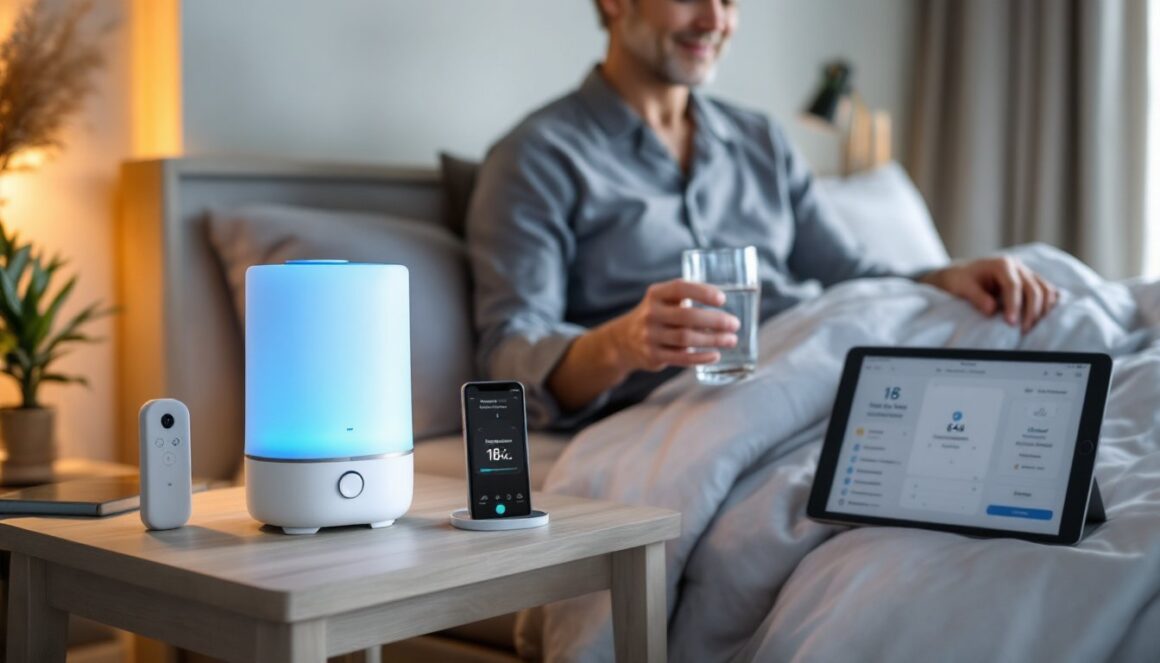
Waking up thirsty and reaching for water at night is common, but when it happens often, it’s disruptive and worth investigating. They may wonder “γιατι πινω πολυ νερο το βραδυ” (Greek: why do I drink a lot of water at night), and the answers range from simple habits to medical conditions. This guide explains the most likely causes, practical fixes they can try at home, and when a clinician should be consulted. It’s written to be clear and actionable so readers can stop guessing and start sleeping through the night.
Key Takeaways
- Drinking a lot of water at night often results from mild dehydration, dry mouth, or fluid loss during sleep, so spreading water intake evenly throughout the day can help reduce nighttime thirst.
- Consuming salty foods, alcohol, or caffeine in the evening increases plasma osmolality and can trigger excessive drinking at night.
- Optimizing bedroom conditions by maintaining a cooler temperature and 40–60% humidity helps prevent dryness that prompts nocturnal thirst.
- Persistent intense thirst at night accompanied by frequent urination, fatigue, or weight loss may indicate medical conditions like diabetes and requires prompt clinical evaluation.
- Keeping a daily log of fluid intake, food, sleep interruptions, and bathroom trips can clarify the causes of nighttime drinking and inform effective adjustments.
Common Physiological Reasons You Feel Thirsty At Night
Several straightforward bodily processes make someone feel thirsty after bedtime. Mild dehydration is the most common: if they drink very little during the day, the body will signal thirst once metabolic activity slows and they become more aware of mouth and throat dryness.
- Dry mouth (xerostomia) can feel like thirst even without a big fluid deficit. Mouth breathing, allergies, or simply low salivary flow overnight contribute.
- Normal fluid loss from breathing and sweating continues during sleep. A warm bedroom or heavy covers increase evaporative losses.
- Diuretics in the evening, such as alcohol or higher-salt meals, shift fluid balance so thirst appears at night.
Practical notes: salivary flow and perceived dryness can vary by person and with age. They should check daytime fluid patterns first: splitting water intake evenly across the day usually reduces nocturnal thirst. When considering “γιατι πινω πολυ νερο το βραδυ,” start with these simple physiological reasons before assuming a disease process.
Medical Conditions That Cause Excessive Nighttime Thirst
Persistent nighttime thirst can signal medical conditions that need evaluation.
- Diabetes mellitus. Excessive thirst (polydipsia) with frequent urination (polyuria), fatigue, blurred vision, or unexplained weight loss warrants checking blood glucose. A fasting glucose or A1c is a standard first test.
- Diabetes insipidus. Less common, this causes very large volumes of dilute urine and intense thirst. Clinicians use urine osmolality and sometimes water-deprivation tests to diagnose.
- Sjögren’s syndrome and other causes of dry mouth. Autoimmune conditions reduce saliva, creating persistent oral dryness that drives drinking.
- Sleep-disordered breathing. Obstructive sleep apnea often causes mouth breathing and dry mouth on waking, the person may blame thirst rather than the airway issue.
- Medication side effects. Anticholinergics, certain antihistamines, some psychiatric medications, and others can reduce salivation.
If symptoms include frequent urination, extreme fatigue, blurry vision, or sudden weight changes, they should contact a clinician promptly. These red flags suggest systemic causes like diabetes that require testing and treatment.
Lifestyle And Environmental Factors That Increase Nighttime Drinking
Environmental and lifestyle choices commonly trigger nocturnal thirst.
- Food choices: Eating salty, spicy, or very sweet foods within a few hours of bed raises plasma osmolality and the drive to drink. Late-night snacks like chips, fast food, or salted nuts are frequent culprits.
- Alcohol and caffeine: Both can promote fluid loss. Alcohol is a mild diuretic and also disrupts sleep architecture: caffeine late in the day can have lingering effects for some people.
- Room conditions: A hot or dry bedroom increases evaporative loss and dryness. Central heating or low-humidity environments (common in winter) make the mouth and throat feel parched.
- Drinking timing: Paradoxically, drinking a large glass of water right before bed can prompt nocturia (nighttime urination), fragmenting sleep and leading to more sipping between awakenings.
Practical comparisons: a cool bedroom around 60–67°F (15–19°C) and indoor humidity of 40–60% typically reduces overnight fluid loss. For people asking “γιατι πινω πολυ νερο το βραδυ,” auditing late-night eating and evening alcohol or caffeine is an easy first step.
Practical Steps To Reduce Nighttime Thirst And Improve Sleep
These actionable changes address most non-medical causes of nighttime thirst. They’re simple and repeatable.
- Spread fluid intake through the day. Aim for steady sipping rather than consuming most fluids in the evening. A practical target is to finish major fluid intake 2–3 hours before bed. Individual needs vary with size, activity, and climate.
- Cut evening salt and heavy sweets. Replace late-night salty snacks with lower-sodium options like fresh fruit or plain yogurt. Salty food increases osmotic thirst.
- Limit alcohol and caffeine after mid-afternoon. If caffeine sensitivity is unknown, stop by 2 PM. Alcohol should be minimized in the evening because it both dehydrates and fragments sleep.
- Optimize bedroom conditions. Use a humidifier to reach ~40–50% humidity if air is dry: set the temperature cooler and use breathable bedding.
- Small sips at night. If they wake thirsty, taking small sips from a bedside glass reduces the chance of triggering a full bladder and repeated wakings.
- Keep a log. Track fluids, food, sleep interruptions, and bathroom trips for a week. Patterns often reveal whether behavior or environment is the dominant cause.
Safety note: if they have heart or kidney disease, fluid recommendations differ, follow clinician guidance on daily fluid limits and timing.
When To See A Doctor And What Tests To Expect
Some signs mean it’s time to see a clinician rather than trying more home fixes.
Red flags prompting medical evaluation:
- Persistent intense thirst lasting several days even though adequate daytime fluids.
- Frequent urination, especially if volumes are large or occurring every hour at night.
- Associated symptoms such as fatigue, blurred vision, weight loss, or excessive hunger.
What a clinician will typically do:
- Medical history and medication review. They’ll ask about recent weight changes, sleep patterns, and drugs that can cause dry mouth.
- Basic tests: random blood glucose, fasting glucose, or A1c to screen for diabetes: a urinalysis to look for glucose or dilute urine.
- Additional tests as indicated: serum electrolytes, urine osmolality, and possibly referral for sleep study if obstructive sleep apnea is suspected.
- Autoimmune testing when signs point to conditions like Sjögren’s.
Expect thoughtful discussion rather than immediate invasive testing. Tests are selected to match suspected causes. If diabetes is detected, early treatment reduces the risk of complications, so prompt evaluation is important.
Conclusion: Simple Next Steps To Stop Waking Up Thirsty
For most people, small habit and environment changes correct nighttime thirst: hydrate earlier in the day, limit evening salt/alcohol/caffeine, and make the bedroom cooler and moderately humid. They should keep a short log of fluids and awakenings for a week: that often clarifies the problem.
If thirst persists with frequent urination, fatigue, blurry vision, or weight loss, see a clinician for blood glucose and urine testing. Addressing the underlying cause early, whether behavioral or medical, helps restore uninterrupted sleep and better daytime energy.