
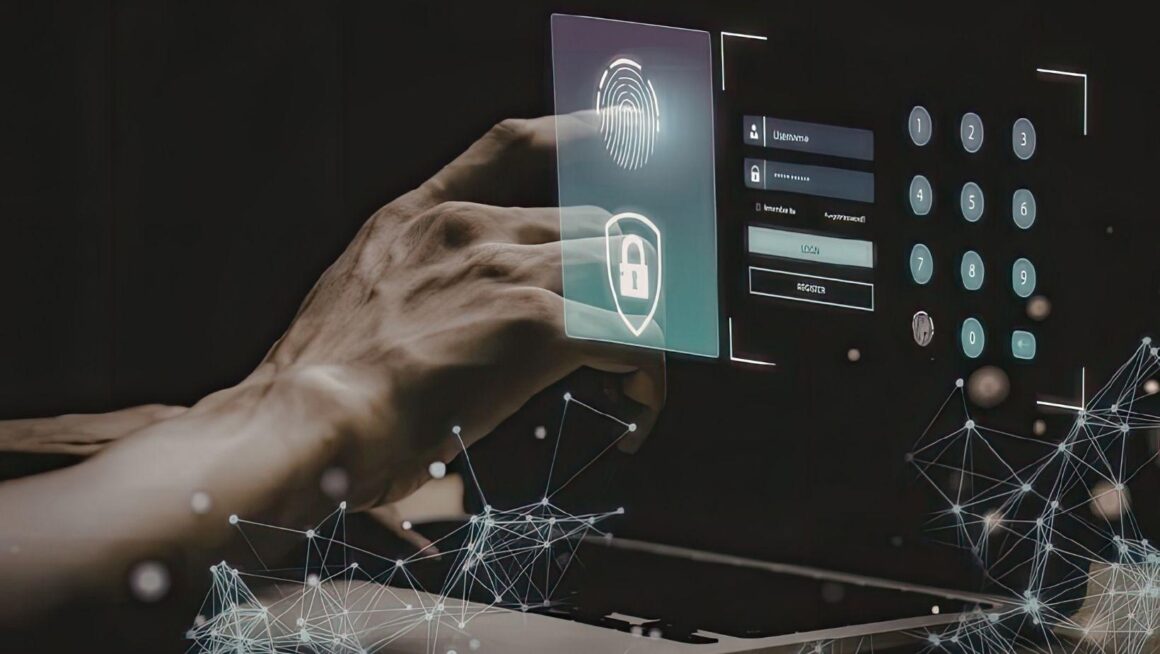
Physical security has come a long way from metal keys and basic PIN codes. Today, organisations across industries are turning to identity-based solutions that verify who you are, not just what you carry or know. Biometric technology sits at the heart of this shift.
Why Identity Verification Is Evolving
Traditional access methods have clear limitations. Keycards can be lost, stolen or shared. Passwords are forgotten or reused. These vulnerabilities create real risks for organisations managing secure facilities, data centres, hospitals or office buildings with multiple access points.
Biometric technology addresses these gaps by tying access directly to a person’s unique physical characteristics. Fingerprints, iris patterns, facial geometry and even vein recognition are all examples of traits that cannot be easily replicated or transferred. This makes Biometric security one of the most reliable layers in a modern access control strategy.
The technology is no longer limited to high-security government facilities. It has become increasingly accessible and practical for businesses of all sizes, including retail environments, healthcare facilities and corporate campuses where managing large numbers of users efficiently is a daily challenge.
How Biometric Systems Work in Practice
At its core, a biometric access solution captures a physical characteristic during enrolment and stores a digital template based on that data. When someone requests access, the system scans their biometric trait and compares it against the stored template. Access is granted only when there is a verified match.
Integrating a Biometric system into an existing access control infrastructure is more straightforward than many organisations expect. Modern solutions are designed to work alongside existing hardware, software platforms and identity management systems, which reduces the complexity of implementation significantly.
Nedap UK, for example, develops access control solutions that combine biometric identification with broader security management platforms. This kind of integration allows organisations to manage access rights, monitor entry events and respond to incidents from a single environment, rather than managing separate disconnected systems.
Key Considerations Before Deploying Biometric Access Control
Switching to biometric access control requires some preparation. Organisations should think through the following before deploying:
- Data privacy regulations and how biometric data must be stored and protected
- The physical environment where readers will be installed, including lighting and weatherproofing for outdoor locations
- User enrolment processes and how to handle exceptions such as injuries or disabilities
- Fallback access methods for situations where the biometric reader is unavailable
Understanding these factors in advance helps prevent delays and ensures the solution performs as intended from day one.
Biometric access control is no longer a future concept. It is a practical, proven tool that improves security, reduces administrative overhead and simplifies how organisations manage who goes where. With the right planning and the right technology partner, the transition can be both smooth and effective.