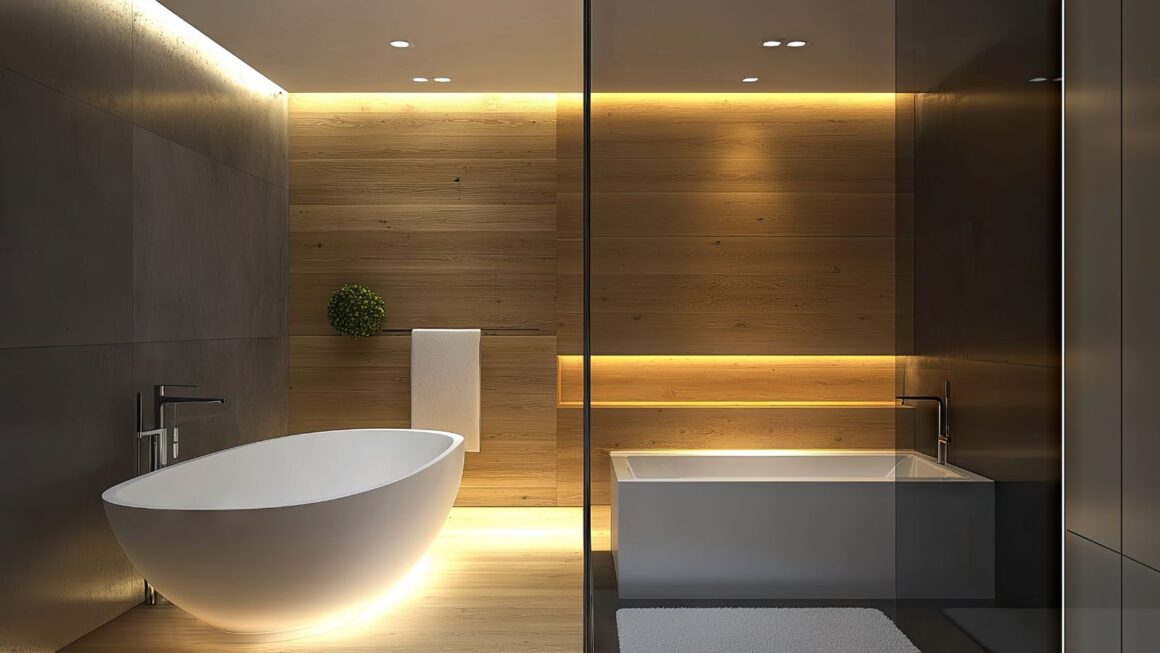
In commercial property, tenant satisfaction and cost control are often treated as separate priorities. In reality, many operational decisions influence both at the same time. One area that is frequently overlooked is bathroom lighting.
Washrooms may not be a headline feature of a commercial building, but they play a meaningful role in day-to-day user experience. Poor lighting choices can lead to higher maintenance costs, safety risks and tenant complaints, while well-planned lighting supports compliance, reliability and long-term savings.
Bathroom Lighting as an Operational Decision
For commercial landlords and facilities managers, bathroom lighting is not just a design consideration. It is an operational one. Bathrooms are high-use, moisture-heavy environments, which means lighting failures are more common when inappropriate fittings are installed.
Frequent call-outs, fixture replacements and downtime all add to operating costs. In multi-tenant buildings, these issues can also impact tenant perception of how well the property is managed.
Effective lighting decisions focus on durability, safety and long-term performance rather than aesthetics alone.
Safety, Compliance and Risk Reduction
Bathrooms are subject to specific electrical safety considerations due to the presence of water and humidity. Fittings must be appropriate for their location and exposure to moisture to reduce the risk of failure or safety incidents.
Understanding bathroom lighting zones helps property owners and facilities teams ensure that lighting installations meet safety standards and are suitable for their environment. These zones define where different types of fittings can be installed based on proximity to water sources.
From a risk management perspective, compliant lighting reduces:
- The likelihood of electrical faults
- Exposure to liability or insurance issues
- The need for reactive maintenance
Compliance upfront is often far more cost-effective than corrective work later.
Reducing Maintenance and Replacement Costs
One of the biggest cost drivers in commercial bathrooms is ongoing maintenance. Inappropriate lighting can fail prematurely due to moisture ingress, condensation or temperature fluctuations.
By selecting fittings designed for bathroom environments, property owners can significantly extend the lifespan of lighting installations. This reduces the frequency of replacements and the associated labour costs, particularly in buildings with multiple washrooms.
Over time, fewer maintenance interventions translate into lower operating costs and less disruption for tenants.
The Impact on Tenant Experience
Tenants may not consciously analyse bathroom lighting, but they notice when it is inadequate. Poor visibility, flickering lights or repeated outages can undermine confidence in the overall quality of a building.
Conversely, well-lit, reliable washrooms contribute to a sense of professionalism and care. For office tenants, hospitality venues or retail environments, these details influence how occupants and visitors perceive the space.
Consistent lighting performance supports:
- Better day-to-day user experience
- Fewer complaints and service requests
- Stronger tenant retention over time
Energy Efficiency and Long-Term Savings
Modern bathroom lighting solutions also offer opportunities for improved energy efficiency. LED fittings designed for wet environments consume less power and generate less heat, further reducing wear and tear.
Lower energy consumption contributes directly to reduced utility costs, while longer-lasting fittings decrease replacement cycles. When these benefits are applied across an entire portfolio, the savings can be significant.
For landlords managing multiple properties, small efficiency gains at unit level can have a measurable impact at scale.
Integrating Lighting into Facilities Strategy
The most effective commercial property operators treat lighting as part of a wider facilities strategy rather than an isolated specification. This means aligning lighting choices with maintenance plans, compliance requirements and long-term cost objectives.
Bathrooms are just one example, but they highlight how technical decisions influence financial and operational outcomes. A proactive approach allows facilities teams to standardise specifications, simplify maintenance and reduce variability across assets.
Small Details, Meaningful Returns
In a competitive commercial property market, attention to operational detail can be a differentiator. Bathroom lighting may seem minor compared to rent levels or location, but its impact on cost, safety and tenant satisfaction is tangible.
By making informed lighting decisions that prioritise suitability and durability, commercial property owners can reduce avoidable costs while delivering a better experience for occupants.
In modern business life, it is often these behind-the-scenes decisions that quietly protect margins and strengthen long-term asset performance.