Solar panels are a powerful investment that can significantly reduce your energy costs and environmental impact. To truly maximize the value of your solar system, it’s essential to ensure your panels are performing at their best. This requires thoughtful installation, proper maintenance, and the use of advanced technologies to improve their efficiency. From optimal positioning and regular cleaning to advanced features like microinverters and solar trackers, we’ll cover key strategies to help you get the most out of your solar energy system. Whether you are installing a new system or looking to improve the performance of an existing one, these tips will help you enhance energy capture and reduce your reliance on the grid.
Proper Installation: Optimal Orientation and Tilt
Proper installation ensures your solar panels receive the most sunlight. Position them to face the correct direction and tilt at the right angle.
In the Northern Hemisphere, face your solar panels south. In the Southern Hemisphere, face them north. Tilt the panels according to your latitude. Near the equator, keep panels flat. Further north or south, increase the tilt to capture the sun better.
Proper positioning maximizes your solar panels‘ energy output throughout the day.
Minimizing Shading: Avoid Obstructions for Maximum Sunlight
Shading drastically reduces the efficiency of solar panels. Even partial shading can lower energy generation.
Install your solar panels in a spot that gets sunlight for most of the day. Avoid shading from trees, chimneys, or nearby buildings. If shading is unavoidable, use microinverters or optimizers. These devices let each panel work independently, reducing shading effects.
Minimizing shading ensures your solar panel operates at its peak performance.
Keep Your Panels Clean for Optimal Performance
Dirt and debris on your solar panels block sunlight, reducing efficiency. Regular cleaning keeps them working at their best.
Use a soft brush or cloth to clean your panels. Avoid abrasive materials that can scratch the surface. If dust or pollen is an issue, clean the panels more often. Alternatively, hire a professional cleaning service to maintain them.
Regularly cleaning your solar panels allows them to absorb more sunlight and perform more efficiently.
Use Solar Trackers for Increased Energy Capture
Solar trackers adjust your solar panels to follow the sun’s movement throughout the day. This ensures your panels always face the optimal angle, increasing energy generation.
Though solar trackers are more expensive, they offer significant energy gains. If maximizing energy production is a priority, they’re worth the investment.
Using solar trackers boosts the energy output of your solar panels, especially in sunny areas.
Upgrading to More Efficient Solar Panels
Newer solar panels offer better efficiency and higher energy output. If you already have a system, consider upgrading to more efficient models.
Switching to high-efficiency solar panels from brands like EcoFlow allows you to generate more power in less space. This is ideal for homes with limited roof space. Upgrading ensures your system keeps up with advances in solar technology.
More efficient solar panels deliver greater energy output and long-term savings.
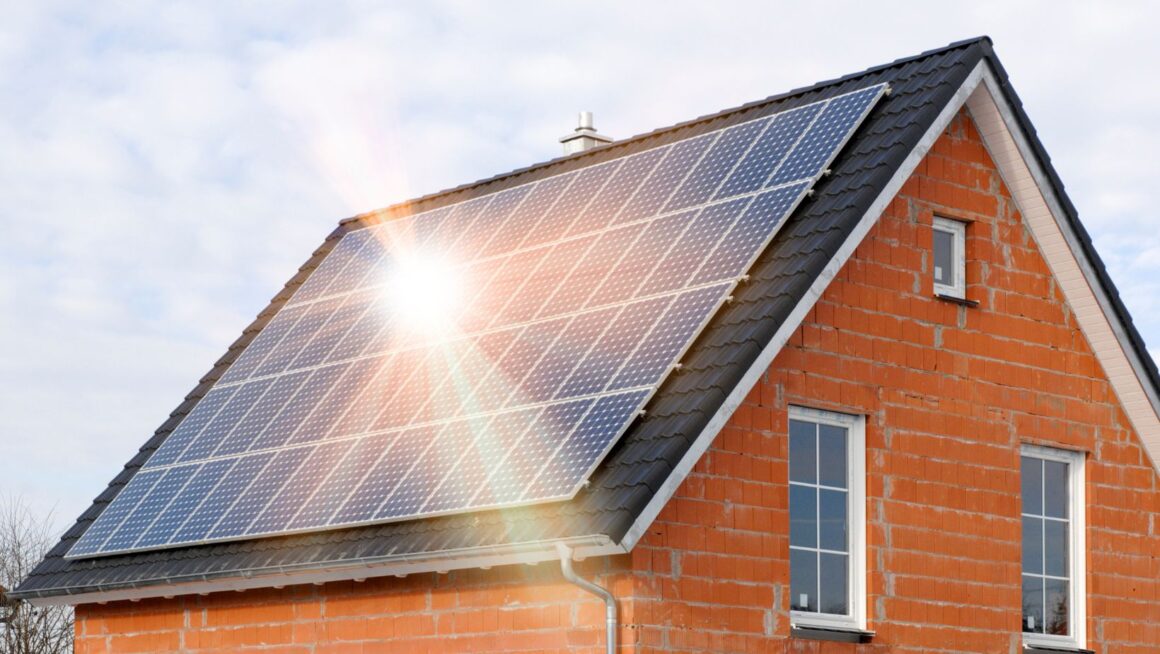
Using Microinverters and Optimizers for Better Performance
Microinverters and optimizers improve the performance of solar panels that experience shading or uneven sunlight.
These devices allow each panel to operate independently. They help boost efficiency by minimizing shading or poor sunlight’s impact on individual panels. Installing microinverters or optimizers ensures that your entire system performs better.
If your system is subject to shading or varying sunlight, these technologies will improve efficiency.
Consider Energy Storage for Nighttime or Cloudy Day Use
Energy storage systems let you save excess solar energy for use at night or on cloudy days. Without storage, you lose the energy your solar panels generate when the sun isn’t shining. A battery storage system, like EcoFlow’s, stores extra power for later use. This helps you avoid relying on the grid and saves on energy costs. It also ensures you always have power, even when sunlight isn’t available. Energy storage boosts the efficiency and independence of your solar panels.