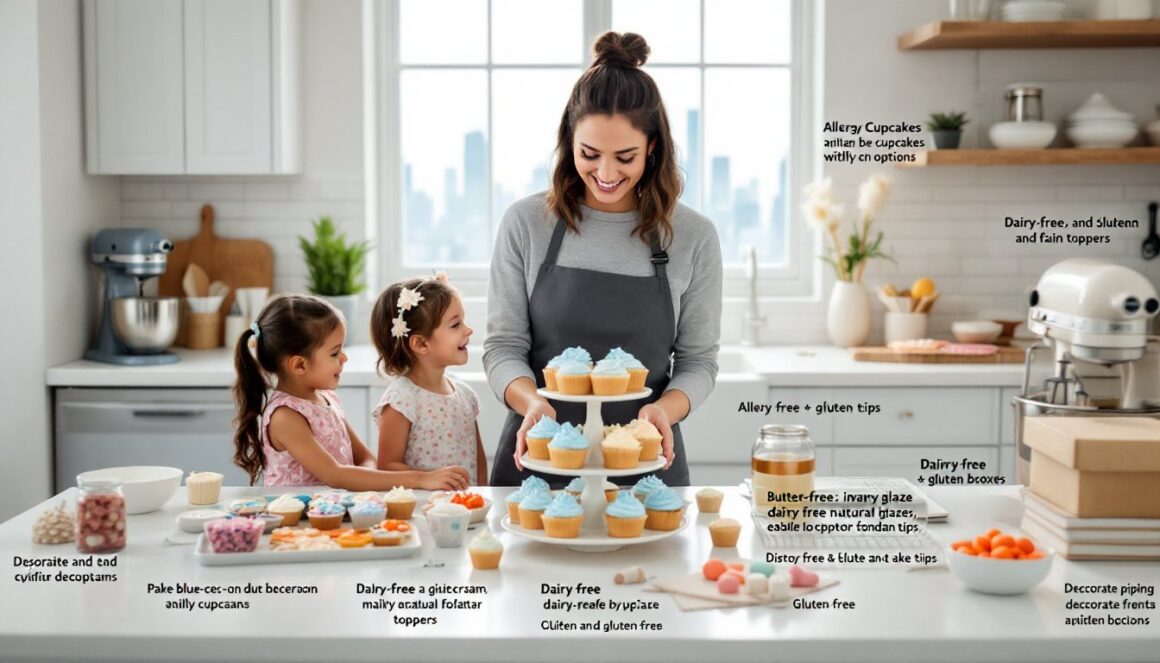
Cupcakes are one of the easiest, most flexible treats for a kids’ birthday, portable, customizable, and great for a decorating activity. Planning well around portions, timing, and allergies turns a sugar rush into a smooth, memorable party moment. This guide gives a simple foolproof vanilla cupcake recipe, make-ahead and shortcut tips for busy hosts, frosting and allergy-friendly alternatives, plus themed decoration ideas kids actually love. It’s written for people who want clear, practical instructions they can follow without specialty bakery equipment.
Key Takeaways
- Planning cupcake portions and considering allergies ensures a smooth, enjoyable kids’ party experience.
- A basic vanilla cupcake recipe is easy to master and versatile for customization and decoration.
- Bake cupcakes ahead and freeze to save time, and label allergy-friendly options clearly to keep all kids safe.
- Use natural colorings and allergy-friendly frostings to accommodate dietary needs and preferences.
- Set up decorating stations or kits to engage children in a fun, hands-on activity during the party.
- Creative themed decorations like toppers and edible props can make cupcakes a memorable highlight at any kids’ birthday party.
How To Plan Cupcakes For A Kids’ Party (Portions, Timing, And Allergies)
Planning determines whether cupcakes are a hit or a last-minute scramble. For portions, aim for 1–2 standard cupcakes (standard = 2.5–3 inch top, baked in a 12-count pan) or 2–3 mini cupcakes per child depending on whether other desserts are served. If the party includes cake and treats, one cupcake is usually enough. Hosts should factor age: younger kids often eat less: teens will eat more.
Timing matters. Bake cupcakes up to one week ahead and freeze in an airtight container: thaw overnight in the refrigerator and bring to room temperature before decorating. For same-day service, bake in the morning and cool on a rack for at least 1 hour before applying icing to avoid melting.
Allergies can’t be an afterthought. Ask parents on the invite or RSVP about nuts, eggs, dairy, and gluten, and clearly label flavors and ingredients at the serving table. Offer at least one allergy-friendly option, dairy-free, egg-free, or gluten-free, and place it apart from regular cupcakes to avoid cross-contact.
Practical hosting tips:
- Use a checklist: pans, liners, cooling rack, and labels.
- Prep decorating stations on a table with disposable tablecloths and small bowls for sprinkles.
- If space is limited, assemble a “decorate one cupcake” kit per child in small boxes for take-home.
Safety note: always supervise children around hot ovens and sharp piping tips. Remind helpers to use oven mitts and keep a fire extinguisher accessible.
Simple Foolproof Cupcake Recipe Every Host Can Master
A basic vanilla cupcake suits most palettes and decorates well. The recipe below uses common kitchen tools and standard measurements.
Ingredients (makes 12 standard cupcakes):
- 1 1/4 cups (150 g) all-purpose flour
- 3/4 cup (150 g) granulated sugar
- 1 1/4 tsp baking powder
- 1/4 tsp salt
- 1/2 cup (113 g) unsalted butter, softened
- 2 large eggs
- 1/2 cup (120 ml) milk
- 1 tsp vanilla extract
Equipment: mixing bowl, electric mixer or whisk, 12-cup muffin pan, paper liners, cooling rack.
Method:
- Preheat oven to 350°F (175°C) and line the pan with paper liners.
- Cream butter and sugar until pale and fluffy (about 2–3 minutes).
- Beat in eggs one at a time, then stir in vanilla.
- Sift together flour, baking powder, and salt. Fold dry ingredients into the butter mixture alternating with milk, start and end with flour. Batter should be a soft, dropping consistency.
- Fill liners 2/3 full and bake 15–20 minutes, until tops spring back when touched and a toothpick comes out clean.
- Cool in pan for 5 minutes, then transfer to a rack to cool completely before frosting.
Notes on consistency and swaps: If batter is too thick, add a tablespoon of milk: if too runny, fold in a tablespoon of flour. For dairy-free, substitute plant-based butter and milk. For gluten-free, use a 1:1 gluten-free flour blend and note texture may be slightly different.
Food safety: eggs must be cooked through: do not use raw-egg icings for children unless pasteurized eggs are used.
Baking Tips For Busy Hosts: Shortcuts, Make-Ahead Steps, And Troubleshooting
Busy hosts often need predictable results with minimal fuss. These tips save time and reduce stress.
Shortcuts:
- Use paper liners and a nonstick pan to cut cleanup time.
- Pre-measure dry ingredients into labeled bags the night before.
- A hand mixer works fine: a stand mixer is convenient for batch baking.
Make-ahead steps:
- Bake and cool cupcakes, then freeze in a single layer on a baking sheet. Once frozen, stack in airtight containers with parchment between layers, store up to 1 week.
- Prepare buttercream up to two days ahead and refrigerate in an airtight container: bring to room temperature and whip briefly before use.
- Place sprinkles and toppers in small bowls or zip bags so kids can reach them quickly.
Troubleshooting common issues:
- Sunken centers: likely underbaked or opened oven too early. Increase bake time by 2–3 minutes and resist opening the door.
- Dry cupcakes: overmixing or overbaking. Mix until just combined and check at the lower end of baking time.
- Lopsided tops: uneven batter distribution, use an ice cream scoop to portion batter consistently.
Hosts should test one cupcake for doneness rather than relying solely on timing. And remember: cooler batter gives more even rise: let refrigerated ingredients come to room temperature for a smoother batter.
Fun Frosting Ideas To Match Any Theme
Frosting is where cupcakes get personality. Buttercream is versatile, pipes well, and holds decorations, perfect for themed parties.
Basic buttercream (makes enough for 12 cupcakes):
- 1/2 cup (113 g) unsalted butter, softened
- 1 1/2–2 cups (180–240 g) powdered sugar
- 1–2 tbsp milk
- 1 tsp vanilla extract
Beat butter until smooth, add powdered sugar gradually, then add milk to reach piping consistency. For stiffer peaks use less milk.
Theme ideas:
- Rainbow: layer six small piping bags with different colors and pipe a swirl for a multicolor effect.
- Ocean: tint buttercream pale blue, top with rock candy “rocks” and gummy fish.
- Superhero: bold primary colors with flat fondant emblems or printed edible toppers.
Tools and extras:
- Piping bags and assorted tips (round and star), offset spatula, and small squeeze bottles for sauces.
- Offer several piping tips and let kids choose, this doubles as an activity.
Safety and neatness: use disposable piping bags for easy cleanup, and place a damp towel under the decorating station to catch spills.
Natural Coloring And Allergy-Friendly Frosting Alternatives
Many parents prefer less artificial coloring or dairy-free frostings for safety and tolerance. Natural tints and substitutions work well and look appealing.
Natural coloring options:
- Beet puree for pinks and reds (use sparingly to avoid thinning the frosting).
- Spinach or matcha powder for green, start with a small amount for pastel shades.
- Blueberries pureed and reduced for bluish hues.
Allergy-friendly frostings:
- Dairy-free buttercream: use plant-based margarine or vegan butter and a non-dairy milk (soy, oat, or almond if no nut allergy).
- Aquafaba whipped topping: aquafaba (chickpea brine) whips like egg white and can be sweetened for a light, egg-free topping.
- Simple glaze: powdered sugar plus water or citrus juice makes a thin, egg-free, dairy-free glaze for drizzling.
Practical guidance:
- When using fruit purees, reduce water content by simmering briefly to avoid runny frosting.
- Clearly label allergy-friendly cupcakes and keep separate utensils to prevent cross-contact.
- Note that natural colors often produce muted tones compared with artificial gels, plan accordingly for the party palette.
Safety: always check ingredient lists for hidden allergens (whey, casein, or cross-contaminated flour) and communicate ingredients to parents.
Themed Decoration Ideas Kids Love (Toppers, Edible Props, And Presentation)
Simple, clever decorations create a big wow factor without a bakery budget. Here are themes and how to build them with basic supplies.
Topper ideas:
- Printable paper toppers on toothpicks: quick, customizable, and cheap.
- Candy toppers: gummy bears, M&Ms, or mini marshmallows arranged in patterns.
- Fondant shapes: small stars, hearts, or letters made with cookie cutters from rolled fondant.
Edible props:
- Ice-cream-cone cupcakes: bake batter in upright sugar cones for an ice-cream look, place cones in a muffin pan for stability.
- Caterpillar cupcakes: line up mini cupcakes and top with piped frosting and candy eyes.
- “Donut” stack: bake cupcakes, cut centers, and stack with a small doughnut on top for a playful hybrid.
Presentation tips:
- Use colorful cupcake boxes or a tiered stand to create height and excitement.
- Group cupcakes by flavor and label each clearly.
- Provide small takeaway boxes so kids can send a cupcake home, double as party favor and reduce leftover waste.
Practical note: some jurisdictions treat large gatherings differently for food service, if selling or distributing to many households, check local food-safety rules. For home parties, maintain cleanliness and food-temperature control (keep perishable toppings refrigerated until just before serving).
Conclusion
Good planning turns cupcakes from last-minute chaos into a party highlight. They should be portioned thoughtfully, baked or frozen ahead, and accompanied by at least one allergy-safe option. Keep the recipe simple, use natural or allergy-friendly frostings when needed, and make decorating a hands-on activity, kids remember the decorating as much as the eating. With these steps, any host can deliver delicious, themed cupcakes that are safe and fun.