
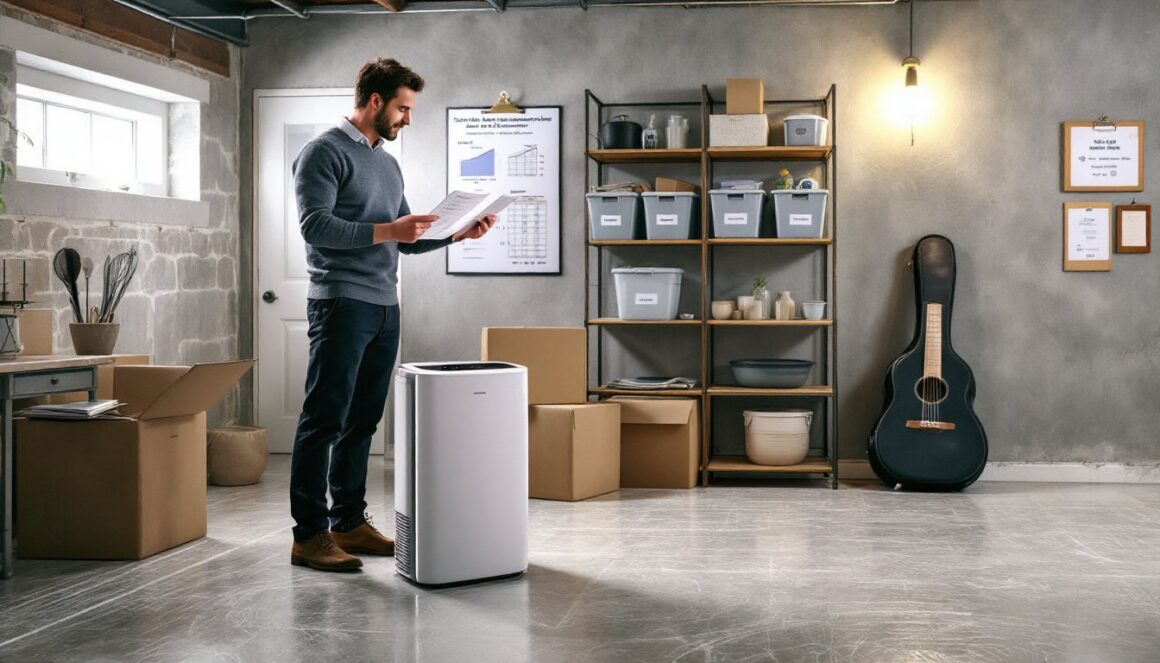
Zeolite dehumidifiers (a type of desiccant dehumidifier) are quietly gaining traction among homeowners who need dependable moisture control in cool, unheated, or seasonally used spaces. Unlike compressor models that struggle below about 50°F (10–15°C), zeolite units adsorb moisture onto a porous mineral and stay effective at lower temps. This guide explains why zeolite works, how regeneration affects performance, who benefits most, how to size a unit, and practical maintenance tips. It’s written for DIYers and renters who want straightforward, actionable advice, no salesperson spin, just what helps keep mold, musty odors, and damp damage at bay.
Key Takeaways
- Zeolite dehumidifiers excel at moisture control in cool, unheated spaces where compressor models lose efficiency, making them ideal for basements, garages, and seasonal homes.
- These dehumidifiers operate quietly and chemically-free by adsorbing moisture onto porous zeolite, which is regenerated with heat for long-lasting performance.
- Proper sizing based on room volume and humidity is crucial; choose units with effective regeneration cycles to maintain continuous moisture removal.
- Maintenance includes regular filter cleaning, tank emptying, and ensuring regeneration cycles complete to prevent reduced drying capacity.
- Zeolite dehumidifiers are best for smaller, cool environments and not recommended for large, warm, or flood-affected areas where compressor units are more efficient.
- Using gravity or pump drains helps avoid frequent manual water removal, enhancing the convenience of zeolite dehumidifiers for home and rental use.
Why Choose Zeolite Dehumidifiers? Key Benefits For Homeowners And Renters
Zeolite dehumidifiers use a desiccant (zeolite) rather than a refrigerant compressor to remove moisture. That design gives several practical advantages for homeowners and renters.
- Temperature performance: Zeolite retains drying ability at lower temperatures: it’s effective in spaces below 50°F (10–15°C) where compressor units become inefficient. This makes it a natural choice for basements, garages, unheated cabins, and closets.
- Quiet operation: Without a noisy compressor, many desiccant units run quieter, useful for bedrooms above damp crawlspaces or a home office above a chilly basement.
- Chemical-free drying: Zeolite adsorbs water physically in its pore structure: there’s no chemical desiccant cartridge to dispose of and no refrigerant concerns.
- Low maintenance and longevity: Zeolite can be regenerated repeatedly with heat, so the core material can last years if the unit’s regeneration cycle is functional.
When to avoid zeolite: If the conditioned space is warm (above about 70°F / 21°C) and very humid, a high-efficiency compressor dehumidifier usually removes water at a lower operating cost. Also, if continuous high-capacity water removal is required (large flooded areas), a compressor or whole-house system is typically more economical.
Safety note: Always use PPE (goggles and gloves) when handling open desiccant packs, fine dust can irritate eyes and skin. For plug-in units, follow the manufacturer’s electrical instructions: if installing a hardwired or wall-mounted model, consult a licensed electrician.
How Zeolite Dehumidifiers Work: The Science Behind Adsorption
Zeolite is a microporous aluminosilicate mineral with a highly structured pore network. Instead of condensing moisture into liquid like a compressor unit, zeolite removes water by adsorption, water molecules stick to the internal surface of the pores.
Key mechanics:
- Adsorption vs. absorption: Adsorption binds water to a surface (zeolite pores): absorption soaks water into a bulk material. Adsorption is reversible with heat, which makes regeneration practical.
- Heat-driven regeneration: When the zeolite becomes saturated, applying heat drives off the adsorbed water and restores drying capacity. In commercial units, an internal heater (or waste heat from an attached source) typically performs this step.
- Energy behavior: Desiccant cycles can use more electricity per pint at warm temperatures compared with high-efficiency compressors. But at cool temperatures, where compressors lose efficiency, zeolite often consumes less energy for the same moisture removal.
Practical detail: Many consumer desiccant units specify operating temperature ranges and a regeneration cycle time. Expect regeneration to temporarily stall moisture removal while the material dries: well-designed units rotate between adsorption and regeneration so the room stays controlled.
Safety & code note: Units that vent regeneration air may raise room temperatures or move moisture elsewhere: ensure proper airflow and avoid placing units where ventilation is restricted.
Zeolite Regeneration Methods And What They Mean For Performance
Regeneration restores the zeolite’s adsorption capacity. The method matters for runtime, energy use, and practicality.
Common regeneration methods:
- Internal electric heater (most consumer units). Pros: automatic, reliable. Cons: uses electricity: regeneration raises local temperature slightly.
- Waste-heat regeneration (industrial/home systems linked to HVAC or boilers). Pros: very energy-efficient if waste heat is available. Cons: requires integration and possibly professional installation.
- Solar/sun drying or oven heating (small removable packs). Pros: DIY-friendly for small packs or seasonal use. Cons: not suitable for continuous whole-room dehumidification.
What to expect in performance:
- Cycle duration: Household units often run regeneration cycles of 30–90 minutes. Expect a short dip in dehumidification while regenerating.
- Longevity: Proper regeneration keeps zeolite effective for years. If regeneration is incomplete or blocked by dust, performance drops.
Practical tip: For small closet or caravan packs, remove the zeolite and sun-dry or follow the manufacturer’s oven-temperature recommendation (usually low heat, e.g., 100–120°F / 38–49°C). For built-in units, keep intake filters clean so heat transfer during regeneration is efficient.
Who Zeolite Dehumidifiers Are Best For And Ideal Use Cases
Zeolite dehumidifiers suit specific scenarios, matching the tool to the job keeps costs and hassle down.
Best users and spaces:
- Owners of cool, unheated basements or garages where winter temperatures drop and compressor units stall. Zeolite stays effective where compressor-based units struggle.
- Renters or seasonal homeowners with vacation homes that sit unused in cold months. A small desiccant unit with renewable zeolite can prevent musty odors and mold between visits.
- Specialty storage areas: closets, gun safes, or instrument cabinets where quiet, steady moisture control matters and ambient temps are cool.
- Workshops or hobby spaces (unheated). Zeolite is often quieter and less likely to freeze than compressor units.
When not to choose zeolite:
- Large, warm, high-humidity living areas, compressor units or whole-house dehumidifiers are usually more cost-effective there.
- Situations demanding fast bulk water removal (flood remediation). Zero tolerance for slow cycles, call a restoration pro with pumps and dryers.
Practical renter note: Portable zeolite units are attractive because they’re non-permanent and don’t require hardwiring. Confirm that the unit’s power draw is compatible with the outlet and don’t use extension cords unless rated for the appliance’s amperage.
How To Choose The Right Size And Model For Your Space
Choosing a zeolite dehumidifier depends on space volume, expected humidity, and temperature. Unlike compressor units rated in pints/day at 80°F and 60% RH, desiccant specs often list cubic feet per minute (CFM), adsorption capacity, and regeneration power.
Steps to choose correctly:
- Measure the room volume (length × width × height) to get cubic feet. Small closets may be 50–200 cu ft: basements can be several thousand cu ft.
- Estimate humidity: light mustiness vs. active dampness. For basements with visible condensation, expect to choose a higher-capacity unit.
- Check manufacturer specs for performance at lower temps, look for a rating or data sheet that shows adsorption rate at 50°F (10°C) or lower.
- Match regeneration capability: a larger room needs a unit with a faster regeneration cycle or continuous-rotation design so drying isn’t interrupted too long.
Model features to compare:
- Tank vs. gravity drain vs. pump: Portable models often have a 1–2 gallon tank: for basement use consider gravity or pump drains to a floor drain to avoid daily emptying.
- Noise levels: Measured in dB: quieter units (under 45 dB) are preferable near living spaces.
- Filters and access: Removable washable filters prolong zeolite life by keeping dust off the adsorbent.
Tool alternatives and installation: A portable unit only needs a level outlet. If choosing a wall-mounted or integrated system, consult an electrician for hardwired installations and ensure any drainage complies with local plumbing codes.
Maintenance Tips, Common Issues, And Simple Troubleshooting
Regular maintenance keeps zeolite dehumidifiers working well and extends the lifespan of the adsorbent.
Routine maintenance checklist:
- Clean or replace air filters every 1–3 months depending on dust. Clogged filters reduce adsorption and make regeneration less effective.
- Empty tanks before they overflow: if the unit has a pump, test the pump monthly.
- Inspect vents and fans for lint and dust buildup: vacuum gently.
- For removable zeolite packs, follow the manufacturer’s regeneration instructions, sun-dry or low-heat oven cycles for small packs.
Common problems & fixes:
- Reduced drying capacity: Check filters, ensure the unit isn’t starved for airflow, and verify regeneration cycles are completing. If regeneration isn’t finishing, the heater element or timer may be faulty, contact support.
- Unit runs but room stays damp: Confirm the unit’s rated room size and that doors/windows aren’t admitting continuous moisture (e.g., drying laundry indoors). For cold, large volumes, consider adding insulation or multiple smaller units.
- Strange odors: Remove and clean the tank/pans: mold can develop if water is left sitting. Wear gloves and a mask when cleaning.
When to call a professional: If the unit requires internal repairs (heater, control board), or if wiring/drain modifications are needed, hire licensed service personnel. If persistent high humidity indicates structural water entry or condensation beyond what a dehumidifier can handle, consult a contractor.
Conclusion
For cool, unheated, or seasonally used spaces, zeolite (desiccant) dehumidifiers offer a quiet, chemical‑free, and effective way to control moisture where compressors struggle. Choose a model sized to room volume and low-temperature performance, keep filters and regeneration paths clean, and use gravity or pump drains where daily emptying isn’t practical. When paired with sensible ventilation and simple maintenance, zeolite units can protect belongings and prevent mold without a lot of fuss, just what a handy homeowner or renter needs for long-term peace of mind.