

Most businesses lean on credit cards more than they realize. Nearly 9 out of 10 small businesses use credit cards for everyday expenses, from software subscriptions to vendor payments. That makes the card you choose early on far more important than it might seem.
At the beginning, almost any card feels “good enough.” Limits aren’t tested yet, spending is simple, and approvals feel straightforward. The problems show up later—when expenses grow, limits start getting in the way, or personal credit ends up tied to business spending.
Knowing what to look for in a business credit card before you apply helps avoid those issues. The right card should grow with your business, protect personal finances, and make spending easier to manage as things get more complex—not harder.
What Is a Business Credit Card?
A business credit card is simply a card you use for company expenses instead of personal ones. It covers things like software subscriptions, vendor payments, travel, and everyday operating costs, while keeping business spending separate from your own money.
What makes it different from a personal card isn’t just the name. Many business cards let you issue cards to employees, set spending limits, and track where money is going without having to dig through statements later. Some cards also approve you based on how the business performs, not just your personal credit.
The details matter more than people expect. Depending on how a card is set up, it can either make managing expenses easier as you grow or quietly create problems as spending increases.
Why Choosing the Right Business Credit Card Matters Early
Early on, most business credit cards feel interchangeable. Spending is manageable, limits aren’t tested, and there’s no obvious downside. That’s why this choice is often made quickly and rarely revisited.
The issues tend to appear later, when the business starts to move faster:
● Expenses grow as new tools, vendors, and services are added
● Credit limits start getting hit more often than expected
● Personal credit gets pulled in to cover gaps
● Tracking who spent what becomes harder to manage
Once those problems show up, switching cards can be time-consuming and disruptive.
Choosing the right business credit card early helps prevent this. A card that’s built to scale, keeps spending visible, and separates business finances from personal ones makes growth smoother and easier to manage. It’s a small decision at the start that can save a lot of friction later on.
Features to Check When Choosing the Best Business Credit Card
Not every feature will matter to every business, but some details tend to cause problems if they’re overlooked early. These are the areas worth paying attention to before you apply, especially if you expect spending to grow over time.
1. Approval Criteria That Don’t Put Personal Credit at Risk
Before applying, it helps to know what the card issuer is actually checking. Some business credit cards still depend on a founder’s personal credit score, even if the card is labeled “business.”
That approach can create problems as spending grows. Personal credit stays tied to company expenses, and higher limits often mean more personal responsibility. Cards that assess the business itself—such as cash on hand or overall financial activity—offer a cleaner setup. For founders planning to scale, keeping business and personal finances separate reduces risk and long-term stress.
2. Credit Limits That Can Scale as Your Business Grows
Credit limits rarely feel restrictive at the beginning. Spending is predictable, and most cards offer enough room early on. The challenge comes later, when costs increase, and limits don’t adjust.
As businesses grow, expenses stack up quickly—software subscriptions, vendor payments, marketing spend, and new hires all add pressure. Fixed credit limits can slow things down, leading to declined payments or the need to juggle multiple cards.
A better setup allows credit limits to adjust as the business grows. Flexible limits give teams more breathing room and reduce interruptions during high-spend periods. Over time, this makes managing expenses smoother and helps the card keep up with how the business actually operates.
3. Built-In Spend Controls That Prevent Issues Before They Happen
When spending is small, keeping track of expenses is usually manageable. As more people start using company cards, things get harder to control. Small mistakes add up, and reviewing expenses afterward becomes time-consuming.
Built-in spend controls help catch issues before they happen. Instead of checking transactions later, businesses can set rules around how and where money is spent. This might include limits by category, vendor, or team.
By putting guardrails in place early, businesses avoid overspending and reduce manual work for finance teams. It keeps spending organized without slowing people down or creating extra approvals for every purchase.
4. Fast Setup and Access to Cards When You Need Them
Speed matters more than most businesses expect. When a card takes too long to approve or access, it can slow down work that needs to move now—paying vendors, covering subscriptions, or setting up new tools.
The best business credit card should be quick to set up and easy to use right away. Fast approvals and instant access to virtual cards mean teams don’t have to wait days or weeks to start spending. This is especially helpful when new hires or departments need access quickly.
If getting started feels complicated or slow, it’s often a sign the card won’t scale well later. Simple setup early usually leads to fewer bottlenecks as the business grows.
5. Global Acceptance and Support for International Spending
Many businesses start working internationally sooner than expected. Even small teams rely on global software tools, overseas vendors, or remote contractors. A business credit card should work wherever the business operates.
Limited acceptance or high foreign fees can quickly become a hassle. Payments get declined, subscriptions fail, or teams are forced to find workarounds just to pay international vendors.
Cards with strong global coverage and multi-currency support help businesses manage international expenses without workarounds, making cross-border spending more reliable as operations expand.
6. Rewards That Actually Support Business Growth
Rewards can look impressive on paper, but they don’t always add real value. Many business credit cards offer points or perks that sound good but don’t line up with how companies actually spend money.
The most useful rewards are tied to everyday business expenses—things like software, services, travel, or recurring bills. When rewards match real spending, they feel like a bonus instead of a distraction.
It’s also worth checking how easy rewards are to use. Complicated rules or limited redemption options often mean rewards go unused. Simple, flexible rewards tend to be more practical as spending grows.
7. Security, Reliability, and Support as Spending Increases
Many businesses start working internationally sooner than expected. Even small teams rely on global software tools, overseas vendors, or remote contractors. A business credit card should work wherever the business operates.
Limited acceptance or high foreign fees can quickly become a hassle. Payments get declined, subscriptions fail, or teams are forced to find workarounds just to pay international vendors.
A strong business credit card should offer clear transaction visibility, solid security, and responsive support. When issues do come up, fast and reliable help keeps small problems from turning into bigger operational delays.
How Brex Fits These Business Credit Card Criteria
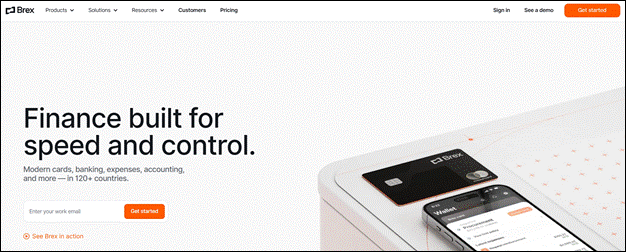
Brex is a business credit card and spend management platform designed for companies that want credit based on business performance, not personal credit. This makes it a strong option for businesses searching for a business credit card without a personal guarantee or an EIN-based business credit card.
One of the biggest limitations of traditional business cards is rigid spending limits. Brex solves this by offering limits that scale with the business, often significantly higher than standard cards, reducing declined transactions and eliminating the need for repeated limit increase requests as companies grow.
Spending controls are built directly into how the Brex card operates. Policies are enforced at the point of sale rather than after expenses are submitted, making it easier for teams to maintain visibility and consistency without disrupting daily workflows.
Brex’s underwriting model is also different. Instead of relying on personal credit or guarantees, approvals are based on business fundamentals, which makes it accessible for companies that want financial separation between personal and business credit from the start.
For teams operating internationally, Brex supports spending across more than 200 countries and over 60 currencies. This global readiness allows businesses to pay international vendors and services without frequent payment issues as they expand into new markets.
Built directly into the Mastercard network through an exclusive partnership, Brex enables faster card setup, instant virtual card issuance, deeper transaction data, and enhanced security. Combined with 24/7 live support, this infrastructure makes Brex a reliable option for businesses managing increasing spend at scale.
Taken together, Brex reflects the core factors businesses consider when evaluating a modern business credit card: scalable limits, business-based approval, real-time controls, and infrastructure designed for growth.
Final Thoughts
Choosing a business credit card is less about perks and more about fit. The right card should match how a business actually operates today while leaving room to grow tomorrow. Approval criteria, credit limits, spending controls, and global usability all play a role in how smoothly a card supports day-to-day operations.
For businesses evaluating what to look for in a business credit card before you apply, focusing on structure over surface-level rewards can help avoid limitations later on. Cards designed around business performance, flexible limits, and built-in controls tend to scale better as spending becomes more complex.
Making this decision carefully at the start can reduce friction, protect personal finances, and create a more stable foundation as the business grows.