

Short casino sessions often leave players feeling that games are unfair or “cold,” especially when results turn negative quickly. In 2026, this reaction is more common than ever as faster games and mobile play compress outcomes into brief time windows. The feeling of bad luck is usually not caused by hidden mechanics, but by how probability behaves over small samples.
Variance Dominates Short-Term Results
Casino games at Stake are designed around long-term averages. RTP and house edge only become visible after thousands or millions of rounds. Short sessions operate far below that scale, where variance dominates outcomes.
This means results can swing wildly in either direction without reflecting the true nature of the game. A losing streak in 50 spins says nothing meaningful about how the game performs over time.
Why the Brain Misreads Randomness
Humans naturally expect balance. When several losses occur in a row, the brain looks for explanations, often assuming something is wrong. In reality, randomness clusters outcomes. Losing streaks are not only possible–they are expected.
Short sessions magnify this effect because there is no time for results to stabilize.
| Session Length | Spins Played | Reliability Of RTP | Perceived Fairness |
| Very short | 10–30 | None | Very low |
| Short | 50–150 | Extremely low | Low |
| Medium | 300–500 | Low | Mixed |
| Long | 1,000+ | Moderate | More stable |
The shorter the session, the less meaningful the result.
Game Speed Increases Emotional Impact
Fast games produce outcomes rapidly, compressing wins and losses into minutes. When several losing rounds happen back-to-back, emotional response intensifies. Players interpret speed as “bad luck,” even though speed only increases exposure, not disadvantage.
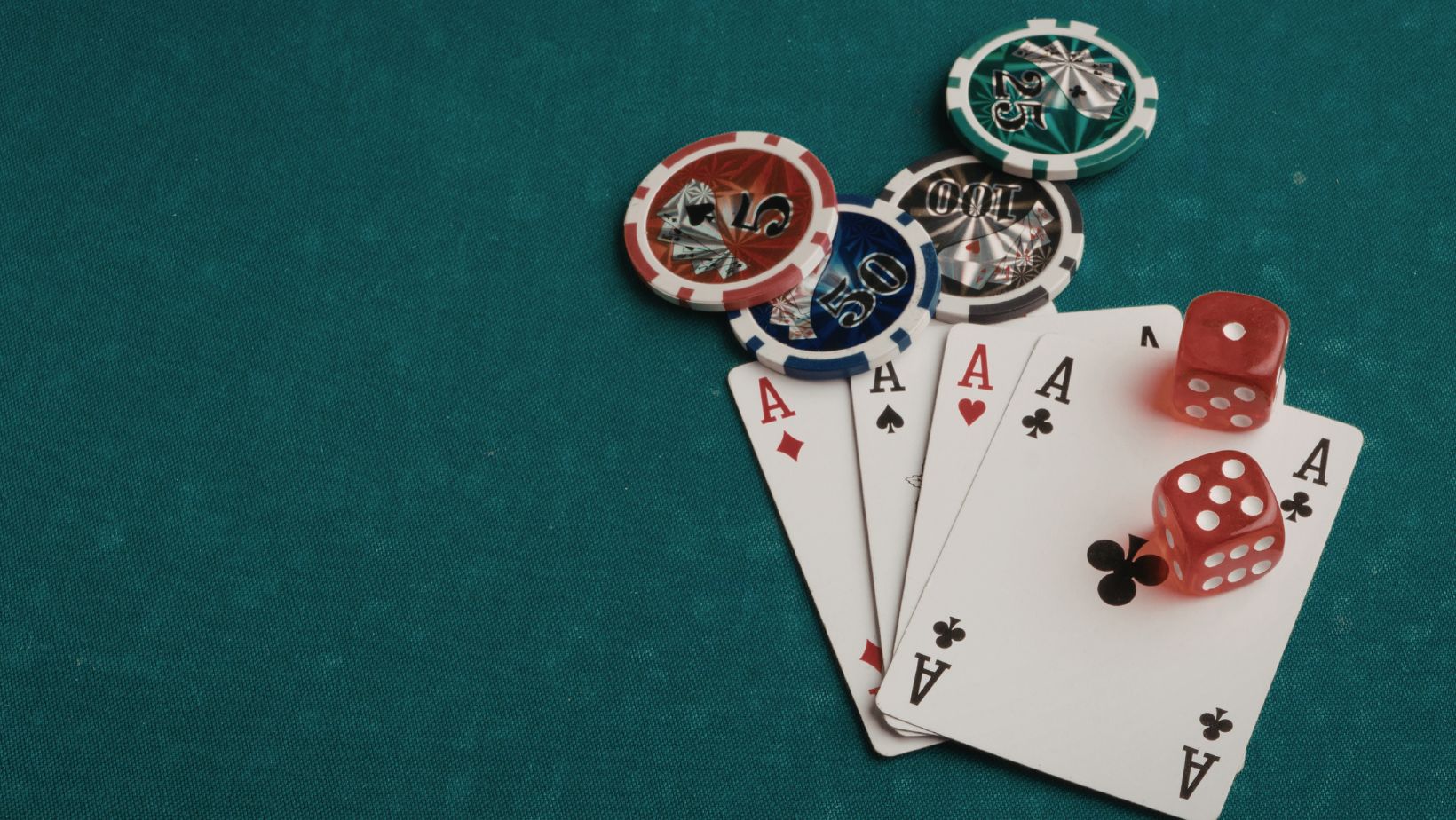
Slower games spread results out, reducing emotional spikes and making losses feel less abrupt.
Volatility Makes Short Sessions Brutal
High-volatility games are especially unforgiving in short play. These games are built to pay rarely but significantly. If a bonus does not trigger quickly, the session can end before any meaningful win appears.
This does not mean the game is bad–it means the session was too short for the game’s design.
| Volatility Level | Win Frequency | Short Session Outcome | Long Session Outcome |
| Low | Frequent | Small swings | Stable balance |
| Medium | Moderate | Mixed | Balanced |
| High | Rare | Often negative | Occasional large wins |
Choosing volatility that matches session length is critical.
House Edge Feels Stronger in Short Play
House edge applies evenly over time, but in short sessions it feels exaggerated. A few unlucky outcomes can wipe out a balance before probability has any chance to normalize.
This is why players often report that games feel “rigged” when playing briefly, even on certified platforms.
Bonuses Make Short Sessions Worse
Bonuses introduce wagering pressure that clashes with short play. Time limits, wagering volume, and volatility combine to push sessions beyond comfortable duration. When bonuses expire or balances deplete quickly, frustration increases.
Short sessions and bonuses rarely work well together.
The Illusion of Control in Small Samples
Players often adjust bets, switch games, or change timing during short sessions, believing this improves odds. These actions change exposure, not probability. In small samples, outcomes remain unpredictable regardless of adjustments.
Control feels real because decisions are real, but outcomes remain random.
How to Reduce “Unlucky” Session Feelings
Players can reduce frustration by aligning expectations with session length:
- Choose low or medium volatility for short play
- Reduce game speed before reducing bet size
- Avoid bonuses during brief sessions
- Set outcome expectations to zero for short runs
These adjustments do not improve odds, but they improve experience. Casino games feel unlucky during short sessions because probability has no time to express itself. Variance, speed, and volatility dominate results, creating outcomes that feel personal but are purely statistical. In 2026, understanding session length as a risk factor–not a convenience–helps players approach short play with realistic expectations and far less frustration.