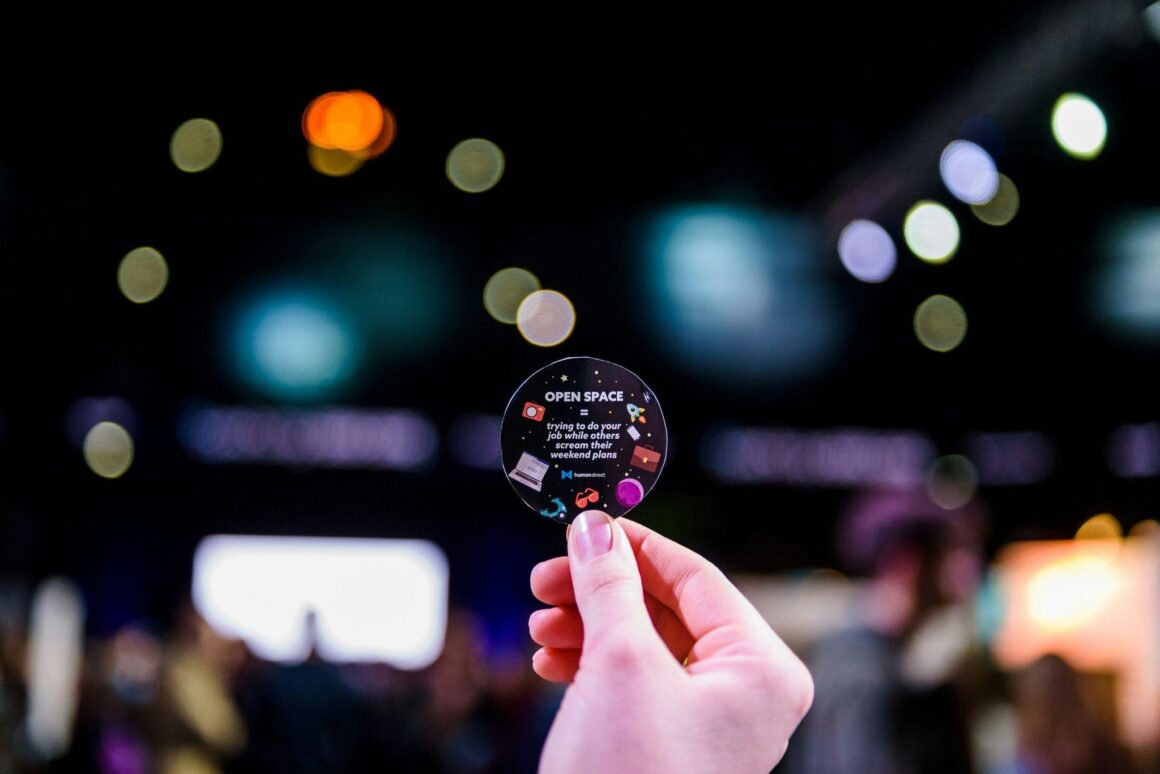
Explore why physical branding still plays an important role in a digital-first world and how tangible items can leave a lasting impression.
You spend a lot of time thinking about your digital presence. Social media, email campaigns, website updates. It’s where most interactions happen, and it often feels like that’s where all your effort should go.
But even with everything moving online, physical branding hasn’t lost its place. If anything, it stands out more now because it’s less constant. You’re not competing with endless scrolling or fighting for attention in the same way.
When something exists in the real world, it creates a different kind of interaction. It’s slower, more noticeable, and often more memorable. That difference is what keeps physical branding relevant, even as digital continues to grow.
The difference between seeing and holding something
Most digital content is designed to be quick. You see it, process it, and move on. Even when it’s well-designed, it often blends into everything else you’ve already seen that day.
Physical items don’t work like that. When someone holds something in their hand, even briefly, it creates a more direct connection. There’s a sense of presence that digital content can’t fully replicate.
This interaction doesn’t need to be complex to be effective. Even small, simple items can create a moment of recognition that lasts longer than a quick glance at a screen. That moment is often enough to make a brand feel more familiar the next time it’s seen.
Why tangible branding sticks longer
One of the main differences with physical branding is how long it stays visible. A social post might be seen once and then disappear into a feed. A physical item can remain in someone’s space for days, weeks, or even longer.
That continued presence builds familiarity in a quieter way. It’s not demanding attention, but it’s still there, reinforcing the brand over time. This kind of exposure tends to feel less intrusive, which can make it more effective.
It also creates repeated interaction. Seeing the same item multiple times, even passively, can make a brand feel more established. That familiarity plays a role when someone is deciding who to trust or remember later on.
Where custom button badges fit into modern branding
Within this space, custom button badges continue to be a practical option for businesses, events, and organisations. They’re small, easy to distribute, and simple to wear, which makes them accessible across different audiences.
They also have a level of flexibility that works well in different settings. Whether it’s a community event, a product launch, or a campaign, they can be adapted to suit the tone and purpose without needing to be overly complex.
Because they’re wearable, they naturally extend visibility beyond the initial interaction. A badge doesn’t just stay in one place. It moves with the person, creating additional exposure in a way that feels organic rather than forced.
This mobility adds another layer to how branding is experienced. It becomes part of everyday environments rather than something limited to a single moment.
Making branding feel more personal and less intrusive
One of the challenges with digital marketing is how constant it can feel. Ads appear frequently, and it’s easy for people to tune them out or ignore them altogether.
Physical branding offers a different experience. It’s often received in a more relaxed setting, where the interaction feels optional rather than unavoidable. That shift changes how people respond to it.
When someone chooses to keep or wear a branded item, it creates a sense of ownership. The brand becomes something they’ve accepted into their space, rather than something being pushed towards them.
This makes the interaction feel more personal. It’s not just about visibility, but about how the brand fits into someone’s everyday life in a subtle way.
What People Actually Want to Keep
Not all promotional items have the same effect. Some are quickly forgotten, while others stick around without much effort. The difference often comes down to how useful or appealing the item feels in the moment.
People tend to hold onto things that are easy to use, easy to carry, or have some form of personal appeal. Items that feel overly branded or impractical are more likely to be set aside.
For those looking to create something that lasts beyond the initial interaction, you can quality custom button badges that are designed with both appearance and usability in mind. When the design feels considered, the item is more likely to be kept and used.
That continued presence is what gives physical branding its strength. It’s not about a single moment, but about how long that item remains part of someone’s environment.
Balancing digital reach with real-world presence
Digital and physical branding don’t compete with each other. They work best when used together, each supporting a different part of how people experience a brand.
Digital platforms are effective for reach and immediacy. Physical items add depth and longevity to that interaction. When both are used thoughtfully, they create a more complete presence.
In a space where so much attention is focused on screens, physical branding offers something different. It slows things down, creates a more direct connection, and leaves an impression that doesn’t disappear with a swipe.