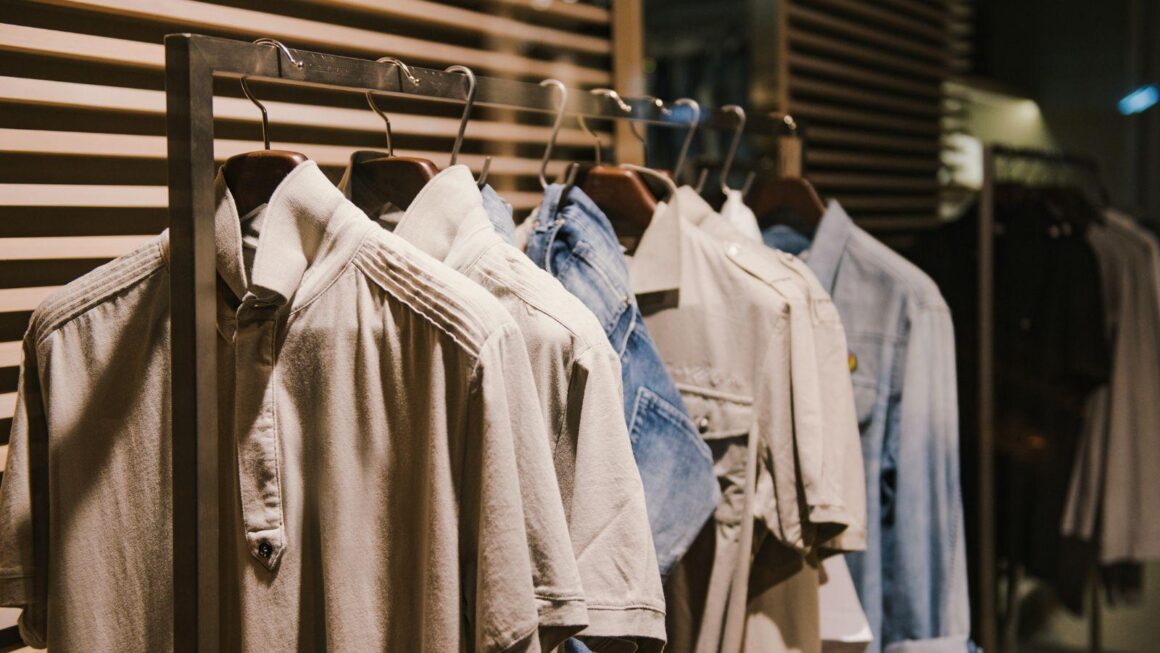
Fashion has always been about making an impression, but in 2025 the conversation has shifted. Instead of asking what’s trending this season, more men are asking a much simpler question: Will this still be worth wearing a year from now? That change in mindset has transformed the way people shop, build their wardrobes and define personal style. Quality has become more than just a selling point – it’s now one of the biggest factors influencing purchasing decisions.
Not too long ago, it wasn’t unusual to buy clothes on impulse. A cheap shirt for a night out or a pair of trainers that looked good for a few months often seemed like a bargain. But over time, many shoppers realised that replacing worn-out items again and again wasn’t saving money at all. It was simply creating wardrobes full of clothes that never quite lived up to expectations. Today, more men are taking a step back and choosing pieces that offer longevity as well as style.
You can see this shift everywhere, especially in London, where fashion has always balanced creativity with practicality. Whether it’s someone in Soho wearing a beautifully tailored overshirt or a commuter in Canary Wharf investing in premium leather shoes that will last for years, quality has become part of the conversation. Publications such as Xposed London regularly showcase brands, independent retailers and seasonal collections that prove good style isn’t about chasing every passing trend. It’s about finding clothing that looks great, feels comfortable and continues to perform long after the first wear.
One of the biggest reasons quality matters more than ever is simple: people expect more from their clothes. Modern wardrobes need to work harder than they did in the past. A jacket might be worn to the office during the week, out for dinner on Friday evening and on a city break at the weekend. The same pair of trousers could be styled with trainers one day and loafers the next. Versatility has become essential, and quality clothing makes that possible.
Fabric is one of the first things people notice when they invest in better-made clothing. Premium cotton feels softer against the skin, quality wool holds its shape, and well-constructed denim improves with age instead of falling apart after a handful of washes. These details might seem small individually, but together they create garments that not only look better but also provide greater comfort every time they’re worn.
Construction is equally important. Strong stitching, reinforced seams, quality linings and durable hardware often go unnoticed until they’re missing. It’s only after a zip breaks, a button falls off or a jumper loses its shape that many people appreciate the difference between clothing that’s made to last and clothing that’s made simply to hit a lower price point. Investing in better craftsmanship usually means fewer disappointments and a wardrobe that remains dependable throughout the year.
The rise of timeless style has also made quality more valuable. Men’s fashion has moved away from being dominated by one defining trend. Instead, classic wardrobe staples have regained popularity because they remain relevant regardless of the season. A well-cut blazer, dark denim, leather boots, an Oxford shirt or a quality knit never really go out of fashion. When these pieces are made well, they become reliable favourites that can be worn repeatedly without feeling outdated.
Changing economic conditions have also influenced buying habits. With many households paying closer attention to spending, shoppers are thinking more carefully before making a purchase. Rather than buying three cheaper alternatives, many would rather invest in one item that performs better and lasts significantly longer. While the initial price might be higher, the long-term value often makes far more sense.
Another reason quality has become such a priority is confidence. There’s something reassuring about wearing clothing that fits properly, feels comfortable and holds its shape throughout the day. It allows people to focus less on adjusting their outfit and more on enjoying whatever they’re doing. Whether it’s an important meeting, a first date or a relaxed evening with friends, quality clothing has a way of making people feel effortlessly put together without trying too hard.
Social media has also changed the way people think about fashion, but perhaps not in the way many expected. While trends spread faster than ever, they also disappear just as quickly. As a result, many consumers have become less interested in buying every viral item and more interested in developing a wardrobe with lasting appeal. Personal style has overtaken trend-chasing, and quality naturally plays a bigger role in that approach.
The growing popularity of independent fashion brands reflects this change too. Smaller labels often focus on craftsmanship, carefully sourced fabrics and limited production rather than mass manufacturing. For shoppers, that means finding clothing that feels distinctive while supporting businesses that prioritise attention to detail. It’s no longer unusual to see someone proudly recommending a lesser-known brand because of how well its products have stood the test of time.
Sustainability has also encouraged more thoughtful shopping habits. While everyone approaches the topic differently, many people recognise that wearing one well-made jacket for several years is often a better choice than replacing cheaper alternatives every season. Building a wardrobe around durable essentials naturally reduces waste while encouraging consumers to appreciate what they already own instead of constantly looking for the next purchase.
Accessories deserve the same attention. A quality leather belt, a well-crafted watch or a durable weekend bag often becomes more attractive with age rather than less. These pieces develop character over time and can elevate even the simplest outfit. They’re reminders that quality isn’t limited to clothing alone—it’s something that runs through every part of a well-considered wardrobe.
Perhaps one of the most overlooked benefits of buying quality is that it simplifies getting dressed. When every item in your wardrobe fits well, coordinates easily and has been chosen with care, creating an outfit becomes much easier. There is less clutter, fewer regrettable purchases and more confidence in knowing that whatever you reach for will work. Instead of owning dozens of rarely worn garments, many men now prefer a smaller collection of dependable favourites.
Looking ahead, it’s clear that quality will continue to shape the future of menswear. Trends will always come and go, colours will change from season to season and new brands will continue to emerge. Yet the demand for clothing that is well made, comfortable and built to last shows no sign of slowing down. In many ways, that’s a positive step for both consumers and the fashion industry.
At its heart, good style has never been about owning the most clothes or wearing the most expensive labels. It’s about choosing pieces that reflect your personality, suit your lifestyle and give you confidence every time you wear them. Quality supports all of those things. It turns everyday clothing into long-term favourites and helps create a wardrobe that feels authentic rather than temporary.
In a city as stylish and diverse as London, where trends evolve almost daily but individuality never goes out of fashion, that approach feels more relevant than ever. The best-dressed men aren’t necessarily the ones buying the most—they’re the ones buying wisely. And that’s exactly why quality has become one of the defining features of modern menswear.