
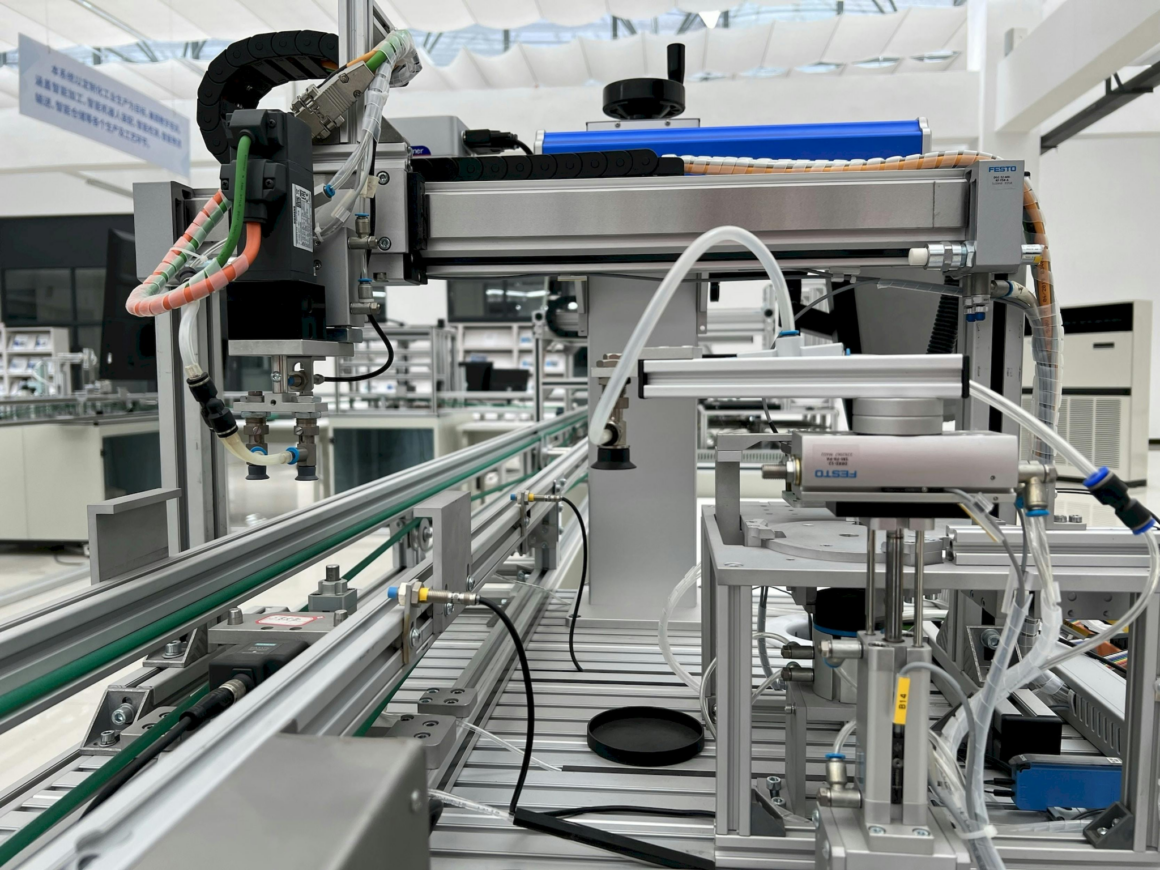
A linear motion stage moves an object in a straight line with controlled speed and position. You’ll find it in automation systems, inspection setups, and production lines where accuracy matters. At first glance, it may seem like a simple component. In practice, its reliability affects how well an entire operation runs.
When movement is precise and consistent, tasks stay on track. When it isn’t, problems show up fast. Output quality drops, systems slow down, and maintenance becomes more frequent. That’s why choosing a reliable linear motion stage is not just a technical decision. It is a business one.
Small Positioning Errors Can Turn Into Bigger Business Problems
Even slight positioning issues can lead to noticeable problems in production. A misaligned cut, an inaccurate measurement, or a poorly placed component can affect the final product. Over time, these small errors add up.
A dependable linear motion stage helps maintain high-precision motion. It ensures that each movement lands exactly where it should, whether the task involves assembly, inspection, or testing. Strong motion control keeps results consistent and reduces the risk of defects.
Why Repeatability Matters More Than One-Time Accuracy
Hitting the right position once is not enough. Systems need to repeat that same movement again and again without variation. That is where repeatability comes in.
A well-built system, often supported by a linear encoder, tracks position in real time and corrects any drift. This keeps performance steady across long production runs. With reliable linear positioning stages in place, businesses can trust that every cycle meets the same standard.
Downtime Often Starts With Weak Motion Components
Unexpected downtime can interrupt schedules and delay output. In many cases, motion components are part of the problem. When a linear motion stage wears down or fails, the entire process may need to stop.
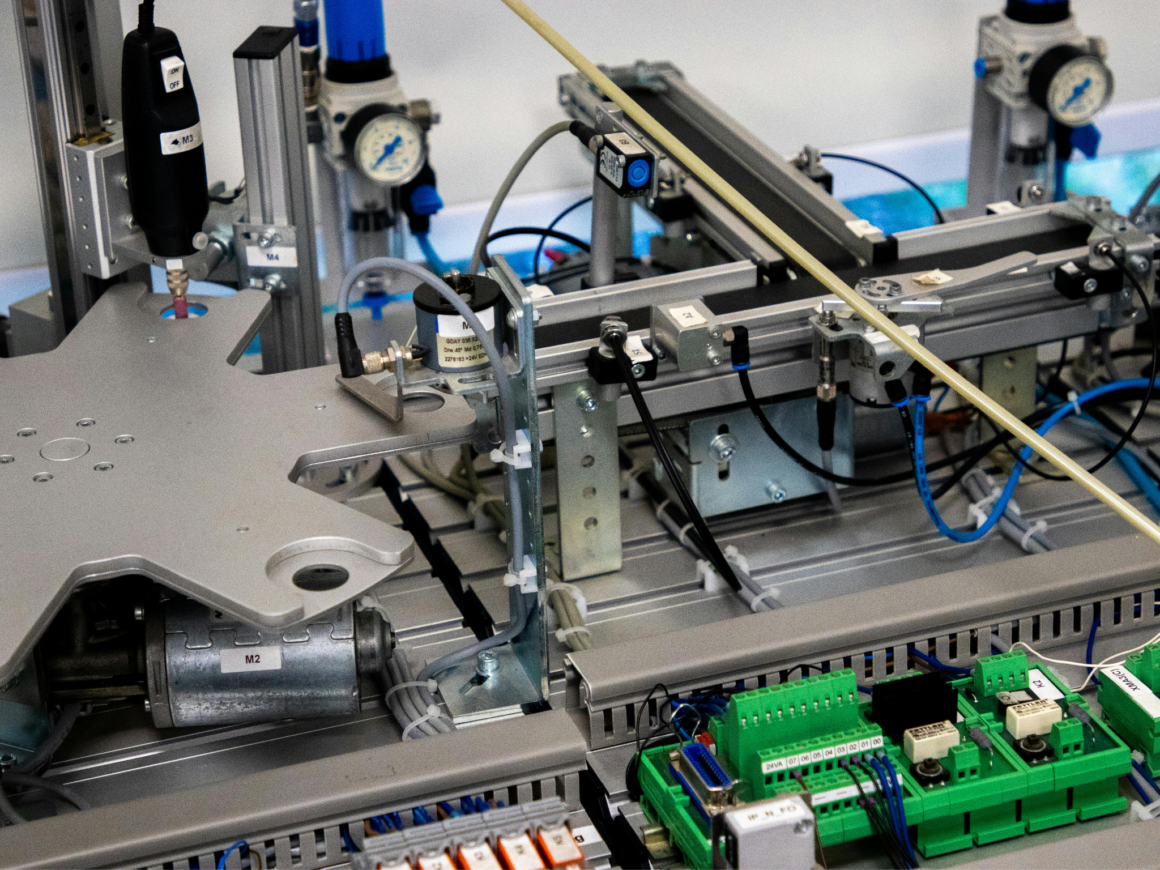
Reliable systems are built to handle continuous use. They maintain smooth motion and resist wear, even under demanding conditions. This reduces the chances of sudden breakdowns and helps teams stay on schedule.
The Role of Bearings and Mechanical Stability
The quality of movement depends heavily on how the stage is supported. Bearings guide the motion and keep it stable under load.
- Roller bearings offer strong load support and are suitable for many general applications
- Crossed roller bearings provide higher stiffness and better precision for tighter tolerances
- Air bearings allow near-frictionless movement, which supports very fine positioning
Each option serves a different need. Choosing the right linear bearing setup helps maintain smooth travel and extends the life of the system.
Not Every Setup Demands the Same Type of Motion System
Different applications call for different motion systems. Speed, load, travel distance, and required accuracy all influence what type of setup works best. A mismatch between the system and the task can limit performance or cause early wear.
Fast, Clean Motion With Linear Motors
A linear motor drives motion without physical contact between key components. This design reduces friction and allows for fast, smooth travel. Linear motor stages are often used in applications that require quick response and high throughput.
Because there are fewer moving parts in contact, maintenance needs can be lower. This makes them a strong choice for operations that prioritize speed and clean motion.
Controlled Movement With Screw-Driven Systems
Screw-driven systems rely on components like a lead screw or ball screws to convert rotational motion into linear travel. These setups provide controlled movement and can handle higher loads.
Stepper motors are often used in motorized linear stage systems where precise, step-by-step positioning is needed. Screw drive designs also work well in situations where peak force matters more than speed. The right drive type depends on what the application demands.
Consistent Motion Keeps Production Running Smoothly
Reliable movement helps keep daily operations stable. When systems behave the same way every cycle, teams can plan and execute work with confidence. This consistency supports better throughput and fewer interruptions.
In fields like semiconductor manufacturing, even small variations can affect results. Linear slides and linear translation stages must deliver steady performance to meet strict requirements. A dependable system helps maintain that level of control across every task.
Cutting Corners Upfront Can Cost More Later
Lower-cost systems may seem like a good deal at first. Over time, they often lead to higher expenses. Frequent repairs, part replacements, and lost productivity can outweigh any initial savings.
Investing in a reliable linear motion stage helps avoid these issues. A well-designed system lasts longer and performs better under pressure. It reduces waste and supports more efficient operations.
Fewer Repairs, Less Disruption
Durable components help limit maintenance needs. When systems require fewer repairs, teams spend less time dealing with breakdowns and more time focusing on output.
Reliable linear slides and stages also reduce wear-related problems. This keeps workflows moving and protects production schedules from unexpected delays.
It’s Not Just One Component, It’s How Everything Works Together
A linear motion stage does not operate on its own. It works as part of a larger system that includes motors, bearings, and feedback devices. Each part plays a role in how well the system performs.
When these components are properly matched, the result is smoother motion and better overall performance. Poor alignment between parts can lead to inefficiencies and added strain on the system.
Matching the System to the Job
Choosing the right setup involves more than picking a single component. Factors like degrees of freedom, load requirements, and travel range all need to be considered.
A system built around the application performs better and lasts longer. The right combination of drive type, structure, and support components ensures that the motion stage delivers reliable results over time.
Conclusion
A reliable linear motion stage supports accurate movement, reduces downtime, and helps maintain steady production. It also lowers long-term costs by limiting repairs and extending system life.
For businesses that depend on precise motion, this component plays a larger role than it may seem. Choosing the right system helps create a more stable and efficient operation from the ground up. jdhdf