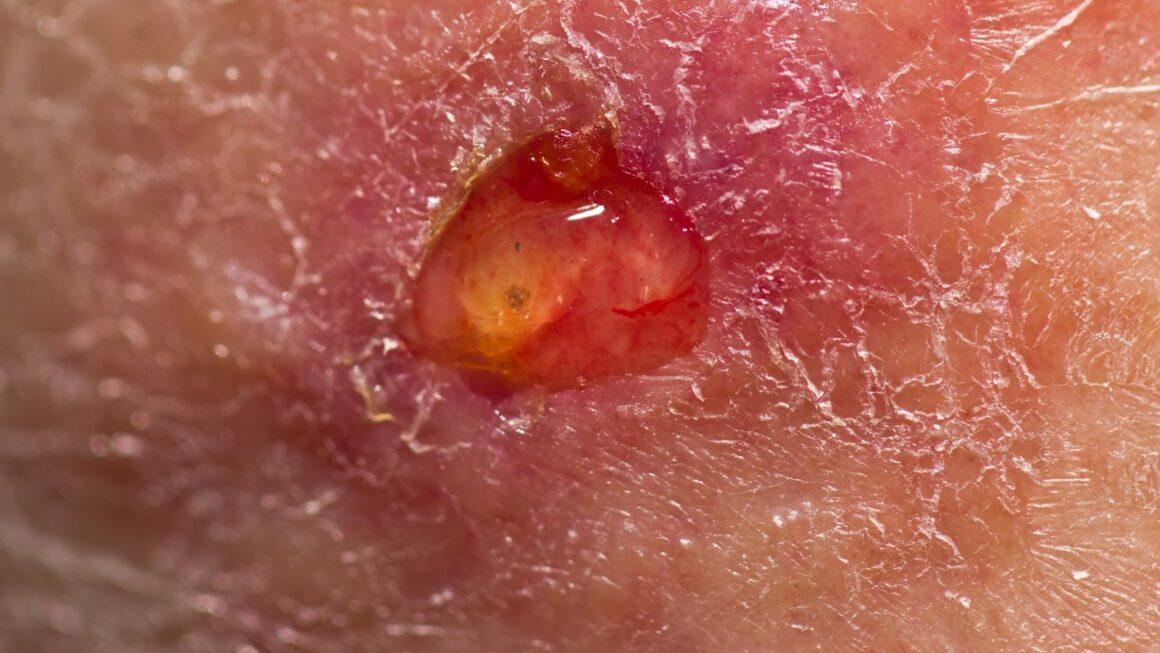
The modern nursing home industry hides a dark financial secret behind its clean, carpeted hallways. While corporate executives blame severe skin wounds on the natural aging process, experienced bedsore injury lawyers know these injuries are a direct result of calculated business choices.
Many facilities deliberately operate with skeleton crews because they have realized that paying occasional legal settlements is actually cheaper than maintaining safe staffing levels.
Severe bedsores are not unpredictable medical accidents. They are a predictable financial byproduct of corporate understaffing, serving as an unofficial metric for long-term care profitability.
When a private equity group or a large corporate chain buys a nursing home, the first thing they look at is the budget for nursing staff. Labor is always the largest operating expense in any healthcare facility.
By cutting the number of certified nursing assistants and registered nurses on duty, executives can immediately save millions of dollars. The tragic reality is that the human body pays the price for these balance sheets in real-time.
The Simple Math Behind Severe Physical Neglect
To understand why these wounds are an administrative choice, you have to look at the physical mechanics of how a pressure ulcer forms. When an immobile patient sits or lies in the same position for hours, the weight of their own body cuts off blood circulation to the skin.
The small blood vessels get squeezed against the bone, stopping oxygen and vital nutrients from reaching the tissue. If the pressure is not relieved, the surrounding flesh begins to die.
This process does not happen instantly. It takes hours of continuous, uninterrupted pressure for the skin to break down.
This is why standard medical rules require staff members to turn and reposition bedbound patients at least once every two hours. In a properly staffed facility, this turning schedule is a routine part of daily life. In an understaffed facility, it becomes a mathematical impossibility.
Consider the real numbers that care workers face on a typical night shift. A single nursing assistant might be left in charge of thirty or forty residents. Many of these residents are completely immobile, meaning they require two physical adults to safely lift and turn them. If it takes fifteen minutes to change, clean, and reposition one resident, a single worker would need ten hours of continuous labor just to complete one full round for forty people. Because the assistant cannot be in two places at once, vulnerable residents are left abandoned in their beds for six, eight, or twelve hours at a time.
Tracking the Visible Stages of Facility Failure
The human body gives clear warnings before a minor sore turns into a life-threatening wound. Doctors and nurses use the Braden Scale for Predicting Pressure Sore Risk to measure a patient’s vulnerability.
This clinical tool evaluates a person’s sensory perception, skin moisture, physical activity, mobility, nutrition, and friction issues. A dropping score is a direct alarm bell that tells the nursing staff to implement an aggressive prevention plan, including specialized air mattresses and intensive skin checks.
When corporate management ignores a plummeting risk score, the physical destruction moves through four distinct stages.
Stage one is a warning zone where the skin remains intact but shows a deep red or purple mark that does not turn white when you press on it. Stage two shows up as an open blister or a shallow scrape, indicating that the top layer of skin has died.
If the neglect continues, the injury enters stage three, where the wound cuts completely through the skin layers to expose the yellow fatty tissue beneath. Stage four is a severe medical crisis where the wound becomes a deep crater, exposing raw muscle, white tendons, and bare bone.
“An advanced stage four pressure ulcer is proof that a human being was left completely forgotten by their care providers for days at a time.”
These advanced craters are incredibly painful and leave the patient completely defenseless against environmental bacteria. Once bacteria enter an open stage four wound, they can easily travel into the bloodstream, causing a systemic infection known as sepsis.
Sepsis can cause rapid organ failure and death within a matter of days. For this reason, a single advanced wound should be viewed as a critical emergency that requires immediate outside intervention.
The Phantom Logs and the Corporate Paper Trail
When families discover these wounds and demand answers, facility administrators often present beautiful charts showing that the patient was turned regularly. Independent legal investigations regularly prove that these charts are completely fabricated.
Under pressure from management to finish their shifts, exhausted workers often practice what the industry calls chart-backing, which means filling out the care logs at the very end of the night, checking off tasks that they never actually had time to perform.
Families must look beyond the official facility charts to find the real story.
The true timeline of care can usually be found by looking at secondary records. Smart investigators will look at the facility’s payroll data to see exactly how many workers were clocked in during the weeks leading up to the injury.
They will examine text messages between staff members, internal emails about supply shortages, and the electronic keycard logs that track exactly when an employee entered a resident’s room. When the electronic log shows that no worker walked through a patient’s door for an eight-hour period, the paper turning chart is exposed as a lie.
Forcing Operational Adjustments Through Outside Pressure
You cannot rely on the nursing home’s internal grievance process to fix a systemic staffing problem. Corporate managers are trained to minimize complaints, offer vague apologies, and hide the evidence. To protect your family member and force a real change in the building, you have to bring independent state authority into the situation.
The most effective step a family can take is to file an official complaint with the Florida Agency for Health Care Administration. This state department is responsible for licensing care facilities and enforcing health codes. When they receive a serious report about advanced wounds, they send trained inspectors into the building without any advance warning to the owners.
State inspectors do not just read the charts. They inspect the physical rooms, measure the depth of current wounds, check the cleanliness of the linens, and interview the floor staff away from the managers. If the inspectors find that the facility is operating below safe staffing guidelines or falsifying records, they issue public citations and financial fines. These official state reports are incredibly valuable because they provide an unbiased, third-party record of corporate negligence.
Changing the Financial Calculation for the Boardroom
Civil lawsuits are the ultimate tool for stopping this corporate cycle. Large care chains are designed to protect their profits above everything else. As long as the fines from the state are small, executives will view them as a normal cost of doing business. The only way to make them change their ways is to make understaffing more expensive than proper hiring.
A successful civil claim forces the corporate board to look at the real financial impact of their management choices. When a jury forces a company to pay a major verdict for medical malpractice, the corporate accountants have to rewrite their entire business model.
Suddenly, hiring two extra nursing assistants for the night shift becomes much cheaper than defending multiple lawsuits in open court. By standing up for your loved one, you are taking a vital step toward fixing a broken system and making long-term care safer for every elderly resident in your community.