
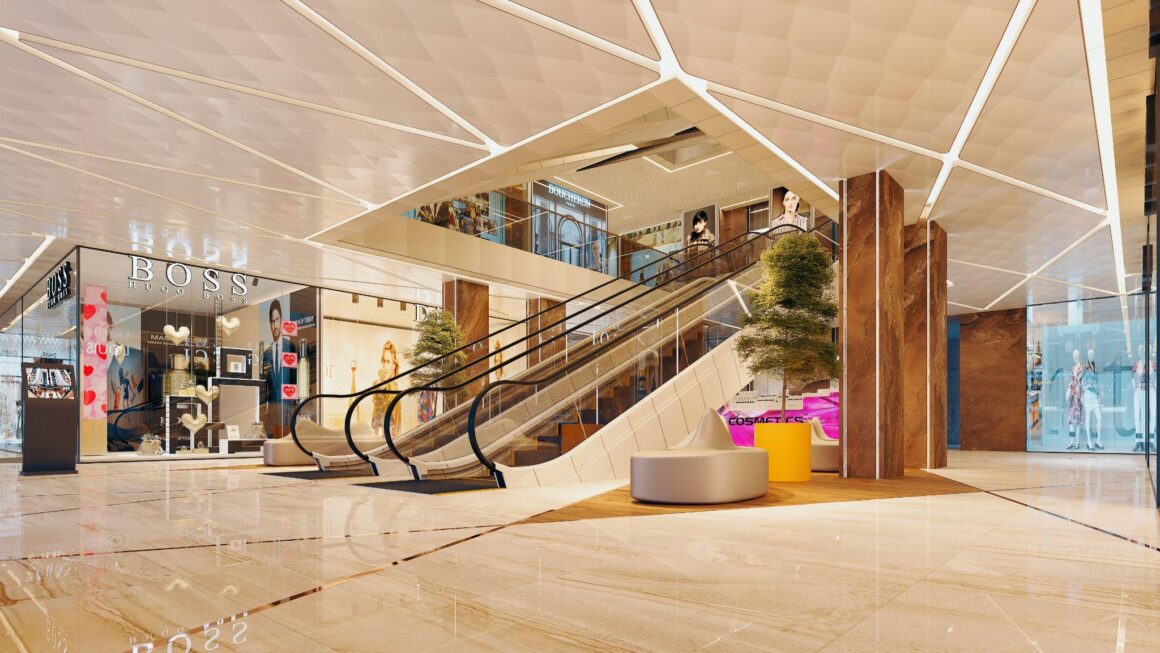
The right flooring for a retail environment needs to withstand constant foot traffic, be easy to maintain, support the business's visual identity, and comply with safety requirements for public-facing spaces. No single material suits every retail context, so the decision involves matching floor type to the specific demands of each location. Allfloors Glasgow supplies and installs commercial flooring for retail environments, offering a range of options from LVT and safety flooring through to commercial carpet and hardwood, all selected for durability and suitability under sustained use. This guide covers the key considerations for selecting retail flooring.
The Primary Requirements of Retail Flooring
Retail floors face a fundamentally different set of demands than residential floors. High-volume foot traffic, wheeled trolleys, display fixtures, and the need for rapid cleaning during and between trading hours all place pressure on floor surfaces that domestic products are not rated to handle.
Slip resistance is a legal requirement in public spaces. The Pendulum Test Value is the standard measurement used in the UK, with a score of 36 or above classifying a floor as low risk under normal conditions. Wet areas, such as entrances during wet weather, require higher-rated products or additional safety measures.
LVT in Retail Environments
Luxury vinyl tile is widely used in retail settings because it combines a realistic aesthetic with commercial-grade wear resistance. Commercial LVT products carry higher AC ratings than their domestic counterparts, with wear layers between 0.55mm and 0.7mm designed for sustained heavy use. The surface is easy to clean, resistant to staining from product spills, and available in designs that replicate timber, stone, and concrete finishes.
LVT installs flat to the subfloor with minimal joins, which eliminates trip hazards and simplifies cleaning. It is also quieter underfoot than hard tile or concrete, which reduces ambient noise levels in larger retail spaces.
Commercial Carpet and Carpet Tiles
Carpet tile is common in boutique retail, fashion stores, and spaces where a warmer, more residential aesthetic is appropriate. Commercial-grade carpet tiles carry higher density ratings than domestic products and are stain-treated for easier maintenance. Individual tiles can be replaced when damaged or heavily soiled, reducing long-term maintenance costs compared to broadloom carpet. Entrance matting systems at thresholds significantly reduce the volume of dirt and moisture tracked onto carpet in high-traffic retail environments.
Hardwood and Wood-Effect Flooring in Retail
Natural wood and engineered wood flooring appear in retail contexts where the brand aesthetic prioritises warmth and premium quality. Fashion boutiques, jewellery stores, and interior design showrooms frequently use engineered hardwood because it withstands heavier foot traffic than domestic solid wood while maintaining the same visual quality. For high-traffic areas such as the entrance zone and main aisles, harder wood species with durable finishes or protective coatings perform better and require less frequent maintenance.
Safety Flooring in Commercial Retail
Safety flooring is the appropriate choice in areas with persistent wet conditions, including entrances, food service counters, and back-of-house areas. Products designed for commercial safety use maintain slip resistance even when contaminated with water, fats, and cleaning chemicals. They are available in a range of colours and can incorporate contrasting borders to assist wayfinding. Safety flooring products require specialist adhesive and installation to maintain their slip-resistant properties. Incorrect installation can compromise both the floor's performance and its warranty.
Subfloor Preparation and Installation in Retail Contexts
Retail renovations often involve working in occupied or partially occupied buildings, which adds logistical complexity to installation. Phased installation across trading hours, rapid-set adhesives for glue-down products, and click-lock systems that allow sections to be laid and opened to foot traffic within hours all help minimise disruption to trading.
Subfloor preparation remains important in commercial settings. Screeding uneven concrete, treating damp, and ensuring the floor is free from contamination ensure the finished floor adheres correctly and performs to its rated specification.
Evaluating Total Cost of Ownership
When comparing flooring options for a retail space, the total cost of ownership over the expected replacement cycle is more relevant than the initial purchase price. A higher-specification LVT or safety floor that lasts ten years with minimal maintenance may represent better value than a lower-cost product requiring replacement or significant remediation after three to five years. Product warranties, installation costs, expected cleaning and maintenance expenses, and disruption costs associated with replacement should all be factored into the decision before committing to a specific flooring solution.