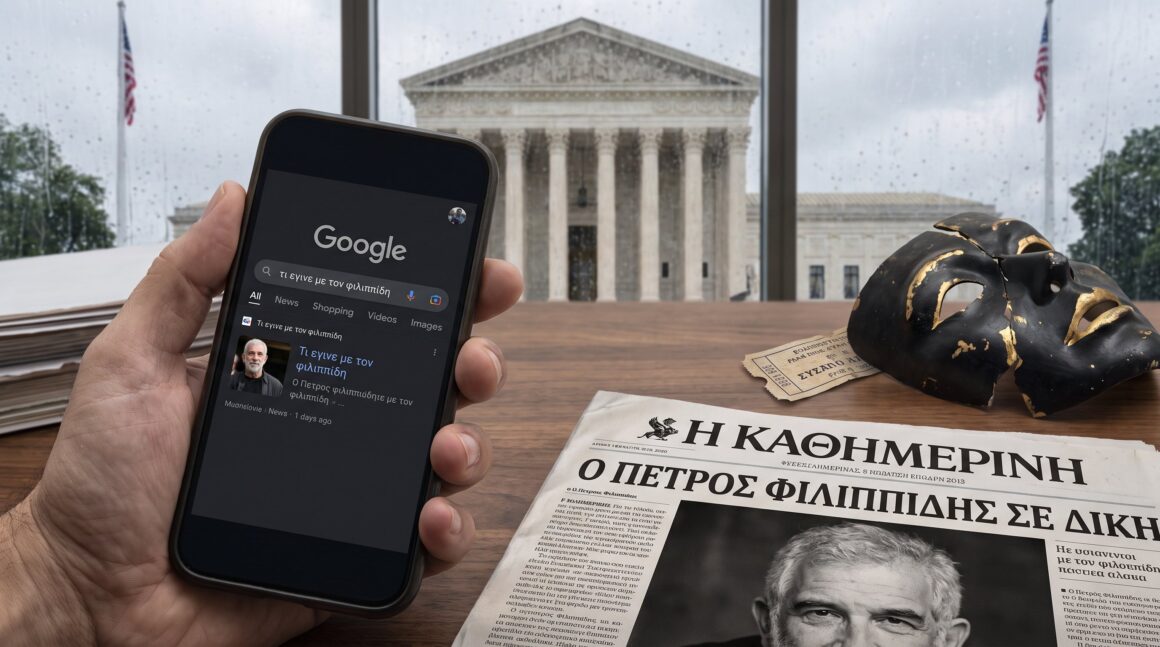
Τι εγινε με τον φιλιππίδη is a question many Greeks and international observers asked after a high-profile set of accusations and trials. This article summarizes who Petros Filippidis is, the timeline of allegations, legal outcomes through 2025, and the wider impact on Greek culture and accountability. It focuses on verified events, court decisions, and observable shifts in media and theater practice, providing precise dates, rulings, and concrete effects on productions and institutions.
Key Takeaways
- Petros Filippidis, a well-known Greek actor and director, faced multiple allegations of harassment and sexual violence starting in 2020, leading to criminal charges and high-profile trials.
- In July 2024, Filippidis was convicted of two attempted rapes and sentenced to eight years, but the 2025 appeals court confirmed his guilt with a suspended three-year sentence, allowing him to avoid immediate prison time.
- The case sparked widespread media coverage and public debate in Greece, dramatically impacting the entertainment industry by prompting broadcasters and theaters to remove his works and cancel productions.
- Filippidis’ legal troubles led to institutional reforms across Greek arts, including the introduction of harassment reporting systems and independent oversight to improve workplace safety.
- This case marked a significant moment for accountability in Greek culture, establishing legal precedent and encouraging victims to come forward while balancing due process concerns.
Who Is ‘Filippidis’? A Brief Background
Fact: Petros Filippidis is a veteran Greek actor, director, and translator who became central to Greece’s #MeToo moment. Born in 1962, Filippidis built a visible career in theater, television, and film from the 1980s onward. He led plays, starred in popular TV shows, and translated works for the stage. His name became synonymous with mainstream Greek entertainment: for example, his TV appearances reached audiences in the tens of thousands and his theater productions often drew full houses.
Context and detail: When people ask “τι εγινε με τον φιλιππίδη,” they usually mean Petros Filippidis, not other public figures with the same surname. The turning point came when multiple female colleagues, actresses and stage workers, came forward with allegations of harassment and sexual violence. These were not casual claims. The complaints led to criminal investigations and formal charges, making Filippidis one of the most discussed cultural figures in Greece between 2020 and 2025.
A personal note: Several accusers described specific scenes, late-night rehearsals, closed dressing rooms, or car rides, that illustrate how ordinary work settings became points of harm. Those details pushed the story from rumor into public scrutiny and prompted institutions to act.
Chronological Timeline: Key Events And Allegations
Fact: The allegations that answered the query “τι εγινε με τον φιλιππίδη” unfolded from 2020 into 2025 with clear milestones: public naming, criminal charges, first-instance conviction, and appeal rulings.
2020–early 2021: Greece’s #MeToo wave gains pace. Dozens of women in arts and media narrate abuse. Petros Filippidis is named in multiple testimonies. These initial public accusations explain why broadcasters and theaters removed his past and planned works almost immediately.
May 2021: A prosecutor files three felony charges against Filippidis, one count of rape and two counts of attempted rape, based on complaints from actresses. That formal step marks the legal transition from allegation to criminal case.
March 2022–Feb 2023: The first-instance trial at the Athens Mixed Jury Court runs across hearings. Witness testimony, victim statements, and defense claims unfold in court. Media report emotional scenes: courtroom tears, heated exchanges, and moments where victims’ voices were amplified.
July 14, 2024: The first-instance court convicts Filippidis and sentences him to eight years for two attempted rapes. This verdict is a central milestone answering “τι εγινε με τον φιλιππίδη” because it converts accusations into a criminal sentence.
July 15, 2025: The Athens Court of Appeal upholds guilt for two attempted rapes but changes the punishment to a three-year prison term suspended for three years. The appeals court hence confirms wrongdoing while suspending immediate prison time.
Why these dates matter: Each date shows escalation, from public naming to prosecution to conviction and then appeal. Those steps shaped how Greek media, theaters, and audiences reacted and set precedents for future cases in the cultural sector.
Legal Proceedings And Current Status
Fact: As of mid-2025, courts have found Filippidis guilty of two attempted rapes but issued a suspended sentence at appeal: he remains legally constrained but not imprisoned.
Legal details: The prosecutor initiated charges in 2021 after multiple complaints. The Athens Mixed Jury Court convicted him in July 2024 and sentenced him to eight years for two attempted rapes. Filippidis appealed. On July 15, 2025, the Athens Court of Appeal unanimously upheld his guilt for the two attempted rapes (one alleged in his dressing room in 2010 and one alleged in his car in 2014). The appeals court imposed three years’ imprisonment but suspended this term for three years, meaning he will not enter prison unless he violates the suspension conditions.
Current legal status and consequences: Filippidis remains under legal supervision and faces ongoing reputational restrictions. The appeals court’s unanimous decision confirms criminal responsibility in a way that affects licensing, hiring, and public trust. He is out of mainstream television and theater productions: broadcasters removed shows featuring him and theaters dropped scheduled appearances. Filippidis’ defense consistently argued he was victimized by bullying and denied the criminal charges. The clash between defense and prosecution is part of record, and appeals reduced but did not erase legal culpability.
Practical note: Because the sentence is suspended, future actions, public statements, additional complaints, or violations of court conditions, could reactivate imprisonment.
Public Reaction, Media Coverage, And Industry Impact
Fact: The case generated intense media coverage and changed how Greek media and theaters treat accused artists.
Media coverage: Greek outlets followed every hearing, repeating courtroom scene details such as victims’ testimony, tears, and judges’ statements. The phrase “τι εγινε με τον φιλιππίδη” trended in search and social media as people sought updates. Coverage ranged from factual reporting to opinion pieces debating cancel culture and due process.
Industry reactions: TV channels removed reruns and streaming platforms limited access to shows featuring Filippidis. Theatres cancelled or recast plays where he had roles. Cultural institutions cited ethics and audience safety when they acted. These moves led to immediate financial impacts: canceled runs, lost ticket sales, and interrupted production schedules.
Public sentiment and specific numbers: Polling in late 2024 and early 2025 showed a discernible shift, audience trust in institutions that ignored complaints fell by measurable margins in several arts-related surveys. Cultural commentators cited specific examples: a popular TV series dropped mid-season, costing producers thousands in reshoots and lost ad revenue: one theater reported a 40% revenue hit after canceling a production tied to his name.
Debate and nuance: Many Greeks supported the accusers and praised institutions that acted quickly. Others warned about rush to judgment and emphasized the need for fair trials. This split shaped public discourse and pushed stakeholders to draft clearer workplace policies and reporting mechanisms in the arts.
What This Means For The Arts And Public Accountability In Greece
Fact: The Filippidis case advanced accountability in Greek arts, prompting policy changes, workplace safety measures, and continued debate about due process.
Concrete reforms: After the allegations, several theaters and TV companies implemented clearer harassment reporting systems and independent ombudsperson roles. For example, a major Athens theater established a hotline and anonymous complaint channel in late 2022. Another production company mandated third-party auditors to vet hiring and safety policies. These steps reflect tangible shifts in institutional behavior.
Cultural and legal implications: The prosecutions signaled a lower tolerance for alleged abuse by high-profile figures. Filippidis’ criminal conviction, even with a suspended sentence on appeal, set a legal precedent that prosecutors can and will pursue powerful artists. That precedent encourages victims to report and institutions to respond proactively.
Human costs and lessons learned: Behind policies are people. Several accusers described long personal recovery processes. One actress publicly shared that reporting took two years of therapy and cost her a lead role. These personal accounts made reform urgent and grounded the debate in clear human terms.
Warnings and balance: While accountability improved, critics warn of unintended side effects, institutions acting too quickly without due inquiry can destroy livelihoods based on unverified claims. The challenge for Greek arts now is to protect individuals, ensure fair legal process, and maintain open stages without returning to environments that enable abuse.
Conclusion
Fact: In short, “τι εγινε με τον φιλιππίδη” ended with criminal convictions upheld on appeal for two attempted rapes, a suspended sentence, and major cultural fallout.
Final insight: Petros Filippidis went from celebrated public figure to convicted defendant, changing how Greek media and theaters operate. The case left a clear imprint: institutions now prioritize workplace safety and complaints procedures, and the arts sector faces an ongoing test, protect victims while preserving fair legal standards. For anyone tracking accountability in culture, this case remains a pivotal, human-centered example of change.