
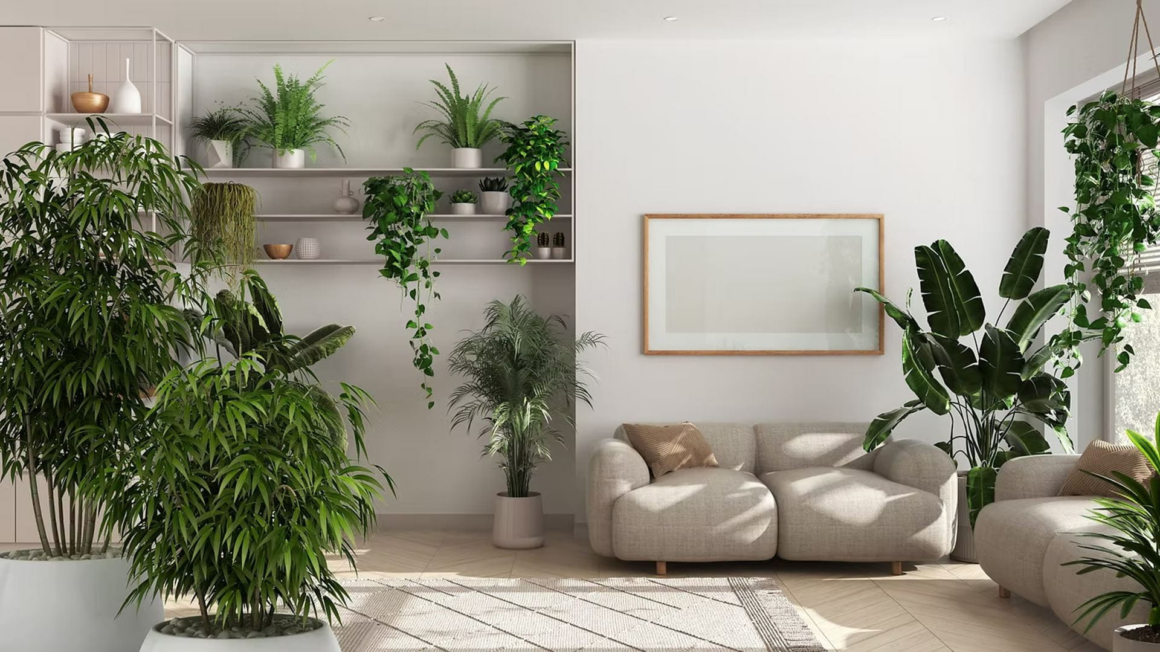
The way people think about interior spaces has changed meaningfully over the past several years. The spare, high-contrast aesthetic that dominated design media for much of the last decade is giving way to something warmer, more grounded, and more deliberately connected to the natural world. Biophilic design, the practice of integrating natural elements, materials, and sensory references into built environments, has moved from an architectural niche into a mainstream expectation in both residential and commercial interiors. And the material category benefiting most from that shift is architectural wall panels.
The wall paneling market is projected to grow from $11.35 billion in 2025 to $16.81 billion by 2031 at a compound annual rate of 6.76%, driven by a surge in residential and commercial renovations and a growing demand for surfaces that deliver tactile aesthetics, acoustic functionality, and long-term durability. That growth is not accidental. It reflects a genuine shift in how designers, homeowners, and commercial clients are specifying interior finishes, and understanding the biophilic design principles driving that shift helps explain why wall panels specifically have become the material of choice for projects that want to feel grounded without the cost or complexity of living walls, raw stone, or structural timber.
What Biophilic Design Actually Means for Interior Spaces
Biophilic design is built on a well-documented principle: humans have an innate need to connect with nature, and environments that support that connection reduce stress, improve cognitive function, and increase the amount of time people want to spend in a space. The research behind this principle has become foundational in workplace design, hospitality, healthcare, and increasingly in residential interiors where homeowners are spending more time and placing more psychological weight on how their home environment makes them feel.
The practical application of biophilic design does not require a vertical garden or a glass wall overlooking a forest. It requires the sensory cues that the brain associates with natural environments: organic texture, material depth, warm tones, irregular pattern, and the tactile quality of surfaces that feel like they were shaped by something other than industrial production. Those qualities are exactly what the current generation of architectural wall panels delivers, which is why the category has become the most accessible entry point into biophilic design for projects at almost any budget level.
Devon Howard, CEO of Andor Willow, described, “What we’re seeing across both residential and commercial projects is that people don’t just want a space that looks natural. They want one that feels grounded, almost instinctive. Textured wall and ceiling panels work because they introduce organic geometry and material depth without the structural complexity of living walls or raw stone, making biophilic design accessible at almost any budget or scale.”
What the Current Panel Market Is Delivering
Wood-grain WPC panels and stone-effect SPC panels are seeing record demand in spring 2026, as both homeowners and hospitality brands embrace biophilic design principles. Demand for panels with wood-like finishes has increased by over 15% annually in certain regional markets, driven by their contribution to calming, nature-inspired interiors.
The material innovation behind those figures is worth understanding because it determines what today’s wall panels can deliver that earlier generations could not. Wood-plastic composite panels combine the visual warmth of natural wood grain with dimensional stability that solid timber cannot match in humid environments like bathrooms or kitchens. Stone-effect SPC panels replicate the visual weight and texture of natural stone at a fraction of the installation complexity and material cost, without the substrate reinforcement that stone cladding requires.
Industry forecasts suggest a compound annual rate of approximately 9% for biophilic-inspired wall systems through 2030, reflecting their rising importance in sustainable and health-centric building design. Manufacturers are responding to that demand with panels that incorporate natural fiber composites, cork, textured finishes that mimic organic forms, and increasingly, recycled and reclaimed content that extends the biophilic principle from visual reference into material sourcing.
Three-dimensional textures and patterns, ranging from geometric shapes to organic relief surfaces, are being used to add depth and personality to interiors, with the tactile quality making walls more engaging as functional design elements rather than passive backgrounds. That shift from background to foreground is the design principle that separates a wall panel installation from wallpaper or a painted surface. Texture creates shadow and variation that changes throughout the day as light moves across it, which is one of the key sensory characteristics that makes a natural environment feel dynamic rather than static.
The Kitchen and Bathroom Application
The biophilic wall panel trend has a particularly strong expression in kitchen and bathroom design, where the wall surface has traditionally been treated as a purely functional backdrop and where the introduction of natural texture can have an outsized effect on how the whole space feels.
Lewis Vandervalk, co-owner of BluePrint Cabinets, highlighted, “In kitchen and bathroom design, we’ve noticed clients gravitating toward wood-toned and tactile finishes more than ever before. It’s less about chasing a trend and more about how a space makes you feel when you’re standing in it every day. When wall treatments carry natural texture into the room, it takes real pressure off the cabinetry to do all the visual work, and the whole space feels more cohesive.”
That observation about visual load distribution is practically useful for anyone specifying a kitchen or bathroom. A cabinet refresh that introduces warm wood tones or a textured finish will read more cohesively when the walls around it are doing complementary visual work. Smooth, flat walls amplify contrast and make individual elements compete for attention. Textured wall panels with compatible material references create a unified sensory environment where the cabinetry, the panels, and the flooring read as part of the same design intention rather than independent choices.
Commercial and Hospitality Applications
The commercial case for biophilic wall panels is supported by a growing body of workplace research showing that environments with natural references improve productivity, reduce absenteeism, and increase employee satisfaction in measurable ways. Strong commercial sector demand for biophilic design elements to enhance occupant well-being and productivity is one of the primary drivers behind the wooden wall panel market’s projected 4.2% compound annual growth rate through 2035.
Hospitality is the commercial sector where biophilic wall panel adoption has been most visible and most deliberate. Hotels, restaurants, and wellness facilities have invested in nature-inspired wall treatments because the research on guest experience and dwell time is clear: guests stay longer, spend more, and rate their experience higher in environments with strong biophilic design elements. For a restaurant operator choosing between a flat painted wall and a textured wood-grain panel installation, the design decision is also a revenue decision.
Sustainability and the Direction of the Market
Sustainability as a standard, with eco-friendly materials and biophilic design becoming standard expectations rather than niche offerings, is one of the defining market directions for wall panels through 2026 and beyond. Clients specifying panels are increasingly asking about recycled content, VOC emissions, and the sourcing credentials of natural material components, which has pushed manufacturers to develop panels that serve the biophilic aesthetic while meeting sustainability standards that clients are applying across their entire project specification.
The convergence of biophilic design demand, sustainability expectations, and material innovation in the wall panel category is what makes it one of the more interesting intersections in the current interior design market. The panels that will define high-performing interiors in the next five years are those that deliver the sensory qualities of natural environments, the material sustainability that both clients and building certification programs increasingly require, and the installation practicality that makes them viable across the full range of residential and commercial project scales. The market is already moving strongly in that direction, and the growth figures confirm that the direction is not going to reverse.