Vaping products can look remarkably similar at first glance, yet the way they are powered, used and discarded varies considerably. The most familiar distinction is between rechargeable vapes and disposables. One is designed to be used repeatedly, while the other is intended to be thrown away once its battery or e-liquid is depleted.
Understanding that difference matters for more than convenience. Device lifespan, running costs, battery safety, environmental impact and nicotine use all deserve consideration—particularly for adults who currently smoke or vape and are comparing their options.
What is a rechargeable vape?
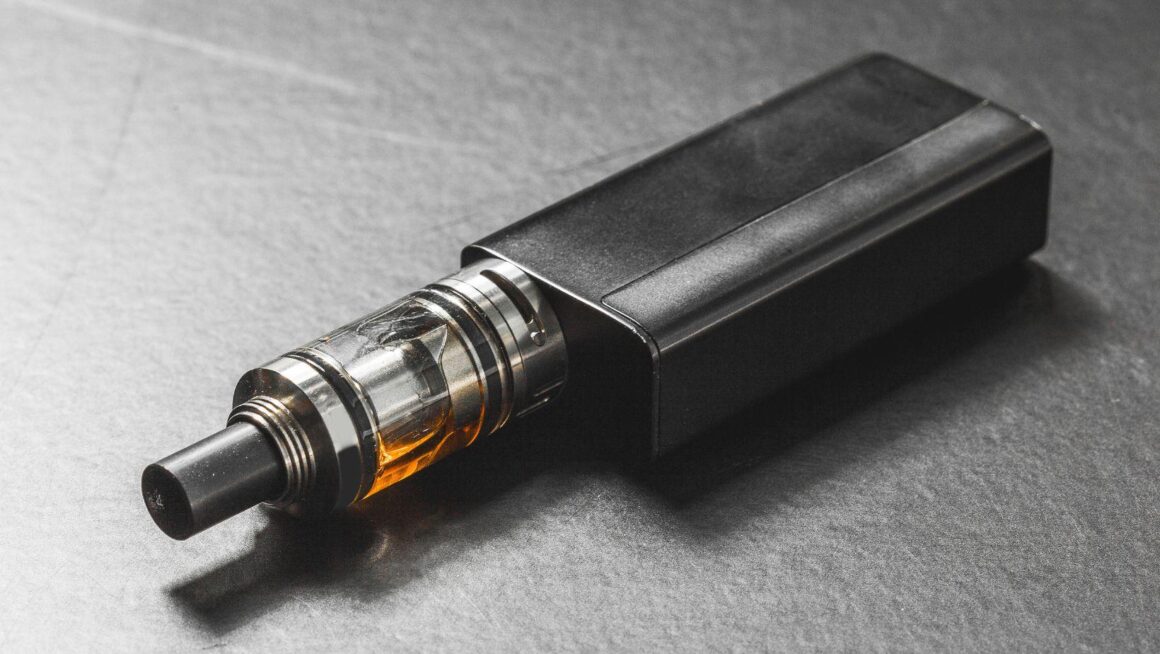
A rechargeable vape contains a built-in or removable battery that can be replenished using a USB cable or charging dock. Depending on the model, it may use a replaceable pod, a refillable tank or a prefilled cartridge.
The basic components are straightforward:
Once the e-liquid runs out, users either refill the tank or replace the pod. When the battery is low, they recharge it rather than replacing the entire device. This separates the long-term hardware from the consumable part of the system.
Some rechargeable vapes are compact pod systems designed for simplicity. Others are larger devices offering adjustable airflow, variable power and more control over vapour production. For someone moving away from smoking, a smaller pod system may feel more familiar and less complicated than a high-powered device with multiple settings.
It is also useful to distinguish rechargeable from refillable. A rechargeable vape does not necessarily accept bottled e-liquid; some use sealed, prefilled pods. Conversely, a refillable vape will almost always be rechargeable, because its battery is intended to last through multiple tanks or pods.
What is a disposable vape?
A disposable vape is supplied as a complete, ready-to-use unit. It normally includes the battery, e-liquid reservoir, coil and mouthpiece in one sealed body. There is no charging port and, in most cases, no way to refill or replace individual components.
When the e-liquid is exhausted or the battery stops working, the whole product is discarded. This makes disposables convenient, especially for occasional users who want no setup or maintenance. However, that convenience comes with trade-offs.
Disposable devices have historically been popular because they require no charging cable, filling bottle or technical knowledge. They are usually draw-activated, meaning the device switches on when the user inhales. Yet their simplicity can obscure how much material is being discarded after every use.
In the UK, the sale and supply of single-use vapes has been prohibited since 1 June 2025. The change was introduced largely in response to concerns about youth access, litter and the volume of batteries entering the waste stream. Rechargeable products remain available, but they still need to be disposed of responsibly at the end of their useful life.
The main practical differences
For adults who are already using nicotine, or considering vaping as an alternative to smoking, the most important differences tend to be practical rather than cosmetic.
Longevity and cost: A rechargeable device can last weeks, months or longer, depending on construction and care. The ongoing expense is generally concentrated in e-liquid or replacement pods. Disposables require repeated purchases, which may become more expensive over time.
Maintenance: Rechargeable systems need occasional cleaning, charging and pod replacement. A refillable model also requires users to fill the tank carefully and replace coils when flavour or performance declines. Disposables demand little maintenance, but that convenience means the entire device is replaced more often.
Choice and control: Rechargeable systems typically offer a broader choice of nicotine strengths and flavours, particularly when they use refillable e-liquid. Those looking at reusable devices with rechargeable batteries will find that pod-style designs occupy a middle ground: they retain much of the simplicity associated with disposables while avoiding the need to discard the battery after one short lifecycle.
Waste: Disposables combine plastic, electronics, lithium-ion batteries and residual e-liquid in one product. Rechargeable devices reduce waste because the battery and main hardware are retained, although pods, coils and bottles still need appropriate disposal.
Battery safety and responsible use
Rechargeable vapes should be treated like other products containing lithium-ion batteries. Use the manufacturer’s recommended cable or charger, avoid charging on beds or sofas, and unplug the device once it is fully charged if the instructions advise doing so. Do not use a device with a swollen, cracked or unusually hot battery.
Keep both devices and e-liquid away from children and pets. Nicotine can be harmful if swallowed or absorbed through the skin, so bottles should remain sealed and stored securely. Used pods and devices should not be placed in ordinary household rubbish or recycling unless local guidance specifically permits it. Vape retailers, household recycling centres and electrical-waste schemes may offer suitable collection routes.
These precautions are not optional extras. A rechargeable battery can be used many times, but it still requires sensible handling throughout its lifespan.
Which option is more suitable?
There is no single answer for every adult user. Disposables were designed around immediate convenience, while rechargeable systems prioritise repeat use, greater choice and reduced hardware waste. For a smoker considering vaping, the most relevant questions may include nicotine strength, ease of use and whether the device supports a consistent routine. For an existing vaper, running costs, flavour choice and battery life may matter more.
It is also worth remembering that vaping is not risk-free. Most vapes contain nicotine, which is addictive, and the long-term health effects of vaping continue to be studied. People who do not smoke should not start vaping, and vaping products are not suitable for children, young people or non-smokers. Adults who smoke should consider evidence-based stop-smoking support, with advice from a pharmacist, GP or recognised quit-smoking service.
A more considered approach
The rechargeable-versus-disposable debate is ultimately about the full lifecycle of a product. Look beyond the packaging and consider how often the device will be replaced, where its battery will go, how much maintenance it requires and whether its nicotine delivery suits your needs.
For many adult users, a rechargeable pod system offers a practical compromise: straightforward operation without treating a battery-powered electronic product as disposable after a few days. Used responsibly, stored safely and recycled through the correct channels, it can be a more considered choice than repeatedly throwing away complete devices.