
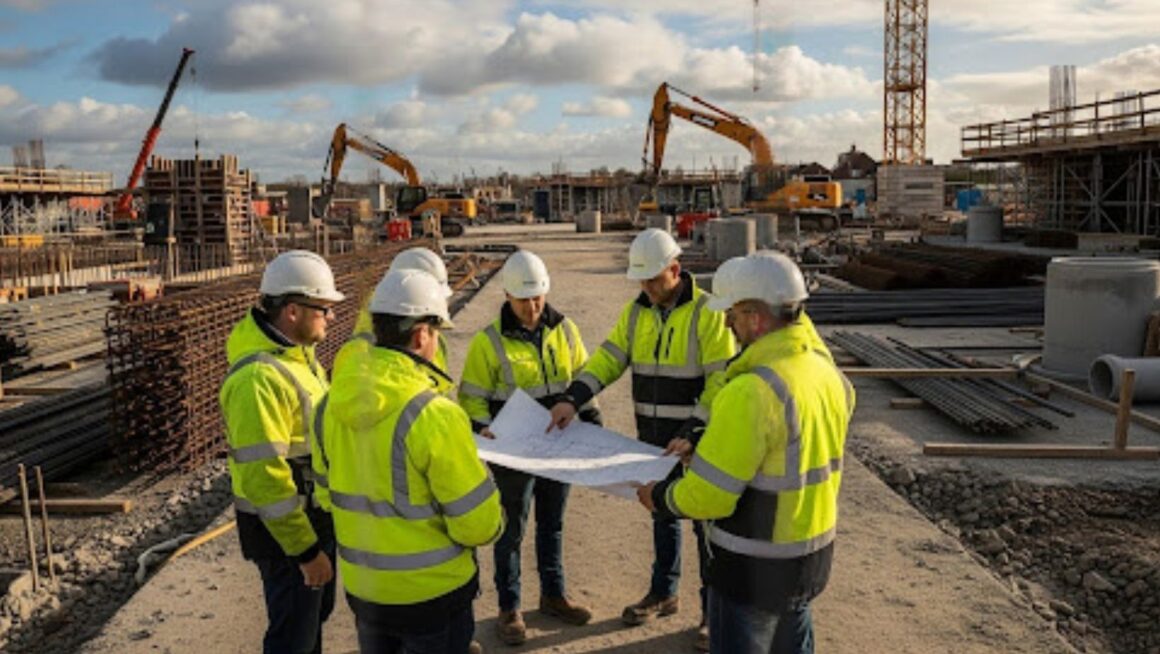
On a construction site, choosing appropriate outer layers entails much more than just checking off a safety list. Coats and jackets affect how people move, concentrate, and cope with extreme temperatures. Inappropriate choices quietly sap energy, impede reactions, and cause frustration. On the other hand, thoughtful decisions promote consistent performance in the face of challenging jobs and shifting weather conditions. In order to balance protection, comfort, and longevity, construction managers must evaluate outerwear with a practical and perceptive perspective.
In recent years, the conversation about on-site apparel has changed. Clothing that satisfies safety and visibility requirements and feels comfortable to wear for the duration of a shift is now required. Customised hi-vis workwear is preferred by many teams since it ensures compliance while reinforcing recognition. Because of this combination of use and style, outerwear is no longer a standard supply order but rather a purposeful investment.
Durability That Withstands Daily Abuse
Clothing is under constant pressure on construction sites. Throughout the day, fabric comes into contact with machinery, concrete edges, and scaffolding. In order to avoid weakening or ripping, outer layers need to withstand abrasion, pulling, and regular washing. Reinforced stitching around stress spots like shoulders and cuffs is an obvious indicator of quality.

Here, material selection is crucial. Protective coatings on heavy-duty fabrics make them more resilient to dirt and water. Longevity lowers replacement cycles, saving money and minimising the disruption that comes with having to buy fresh gear in the middle of a project.
Insulation Without Excess Weight
Bulky coats limit mobility and cause overheating as activity increases, yet cold temperatures sap focus quickly. In order to be effective, insulation must be both permeable and able to retain heat. By keeping heat near the body without adding extra mass, contemporary insulation technologies accomplish this equilibrium.
It is also important that the layers are compatible. Outerwear that is effective over lighter clothes enables employees to adjust to changes in temperatures. This versatility favours comfort in early mornings, exposed heights, and warmer afternoons.
Mobility That Matches the Job
When a jacket bends awkwardly during lifting or limits reach, it quickly becomes a liability. Construction supervisors should watch how the outer layers function when performing routine tasks like carrying goods, bending, and climbing ladders. Movement-friendly panels and sleeves that mimic the natural positioning of the arms can make a big difference.
Mobility is significantly influenced by fit. Overly tight patterns restrict mobility, while clothing that hangs too loosely runs the risk of snagging. When performing repetitive operations, a balanced cut promotes safe movement and reduces fatigue.
Visibility and Reflective Detailing
During the winter seasons, outerwear tends to be the most noticeable piece of clothing worn on the field. Reflective features are supposed to work across various angles and in dim light. The placement should be given close consideration, as ill-placed strips can be lost during the movement of arms or the carrying of equipment.
Additionally, colour retention is important. Over time, fading weakens contrast, which compromises visibility. When clothing is repeatedly washed and exposed to the weather, high-quality dyes and finishes help keep it looking good and functioning properly.
Weather Resistance in Unpredictable Conditions
All year long, site activities are challenged by wind, rain, and abrupt temperature variations. The outer layers must protect against moisture while letting perspiration and heat escape. Adjustable closures and sealed seams offer additional protection during severe weather conditions without making the wearer uncomfortable.
Hoods, collars, and cuffs should be scrutinised. Careful planning in these places keeps heat loss and water intrusion at bay, ensuring constant comfort even in the face of unforeseen weather.
Ease of Maintenance and Replacement
Construction clothing is used extensively and washed on a regular basis. The outerwear must be able to withstand frequent washing and not lose its shape or performance. Clarity of care guidelines makes maintenance easier for workers and minimises losses associated with improper washing.
Long term planning is also affected by availability. Clothing that can be easily reordered ensures continuity across teams, particularly when staff numbers alter or replacements are required.
Making Informed Outerwear Choices
When selecting outerwear, real-world site behaviour is more important than just catalogue descriptions. Features that actually benefit the workforce are revealed through trials, feedback, and observation. Teams may concentrate on the task at hand rather than their attire when construction managers prioritise durability, warmth, mobility of movement, and clear visibility.
Properly chosen outer layers silently strengthen safety culture, morale, and efficiency. The effect lasts long after the first purchase, which proves that careful consideration brings value long beyond the outerwear itself.