For many commercial landlords, roofing is still viewed as a reactive maintenance issue rather than a strategic asset decision. Yet as operating costs rise, regulations tighten and tenant expectations evolve, roof longevity is becoming a critical factor in property performance and risk management.
In 2026, commercial property owners who fail to account for roof lifespan may find themselves facing unexpected capital expenditure, compliance challenges and avoidable disruptions. Those who take a longer-term view are better positioned to protect asset value and control costs.
Roofing as a Risk Management Issue
A roof is one of the most exposed and structurally important elements of any commercial building. When it underperforms, the consequences extend well beyond repair bills.
Leaks, insulation failures and material degradation can lead to internal damage, operational downtime and strained tenant relationships. In some cases, roofing issues also affect insurance claims and compliance with safety or energy standards.
From a risk perspective, roof condition influences:
- Frequency of unplanned maintenance
- Exposure to weather-related damage
- Likelihood of business interruption for tenants
Treating roofing as a strategic consideration rather than an emergency expense allows landlords to reduce uncertainty across their portfolio.
Lifespan Varies Significantly by Material
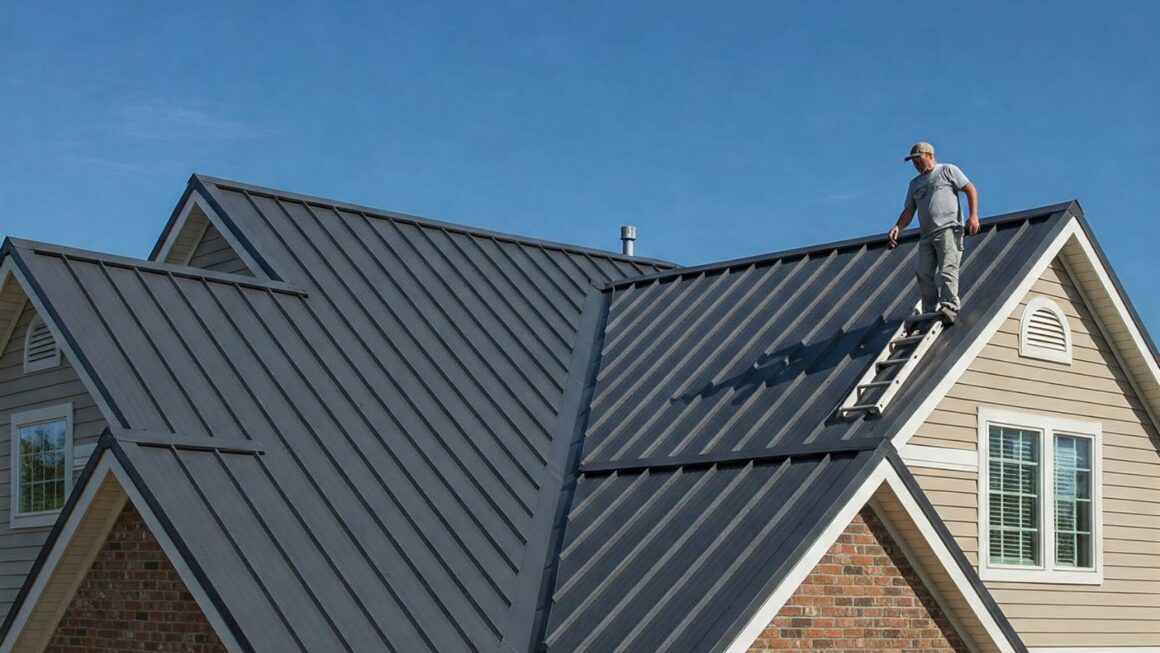
Not all roofing materials perform equally, particularly in the UK’s climate. Rainfall, temperature fluctuations and biological growth all play a role in how long a roof will realistically last.
Understanding roof lifespan by material helps landlords compare options based on durability rather than upfront cost alone. Some materials may appear economical initially but require replacement far sooner, increasing lifetime costs and disruption.
Longer-lasting materials, when properly installed and maintained, can significantly extend replacement cycles and reduce long-term capital expenditure.
Cost Predictability and Lifecycle Planning
For commercial landlords managing multiple properties, predictability is critical. Knowing when major components are likely to need replacement allows for better budgeting and smoother capital planning.
Shorter-lived roofing systems can introduce volatility into financial forecasts, particularly if multiple assets require work at the same time. By contrast, roofs with longer service lives support steadier cash flow planning and fewer emergency interventions.
A lifecycle-focused approach enables landlords to:
- Plan refurbishment cycles more accurately
- Avoid reactive, high-cost repairs
- Align roofing work with wider asset upgrades
Compliance and Energy Performance Considerations
Roofing decisions increasingly intersect with regulatory and energy efficiency requirements. Roof replacements and refurbishments often present opportunities to improve insulation performance and overall building efficiency.
As minimum energy standards continue to evolve, properties with poor thermal performance may require upgrades to remain compliant or attractive to tenants. Roofing projects that fail to consider energy performance can miss this opportunity, leading to higher costs later.
Landlords who integrate compliance and performance into roofing decisions reduce the likelihood of repeat work and future disruption.
Tenant Expectations and Retention
Commercial tenants are becoming more selective, particularly when it comes to building reliability and operating costs. Roofing issues that cause leaks, temperature instability or repeated maintenance visits can damage trust and increase vacancy risk.
Well-maintained, durable roofing contributes to a stable internal environment, which in turn supports tenant satisfaction and retention. Over time, this stability can translate into longer leases and reduced turnover costs.
In competitive markets, these operational details increasingly influence tenant decision-making.
A Strategic Approach to Asset Protection
Roof longevity is ultimately about protecting the wider asset. Frequent roof failures or replacements can accelerate building wear, undermine valuations and reduce buyer confidence.
Landlords who assess roofing choices through a strategic lens consider how materials, maintenance and lifespan align with the intended holding period of the asset. This approach ensures that capital investment supports long-term value rather than short-term fixes.
Looking Ahead to 2026 and Beyond
As cost pressures and regulatory scrutiny continue to increase, commercial landlords can no longer afford to treat roofing as a secondary concern. Longevity, performance and predictability are becoming essential criteria in property decision-making.
By understanding how roofing materials perform over time and factoring lifespan into asset strategy, landlords can reduce risk, improve cost control and protect long-term returns. In modern business life, roofing is no longer just a maintenance issue — it is a strategic one.