
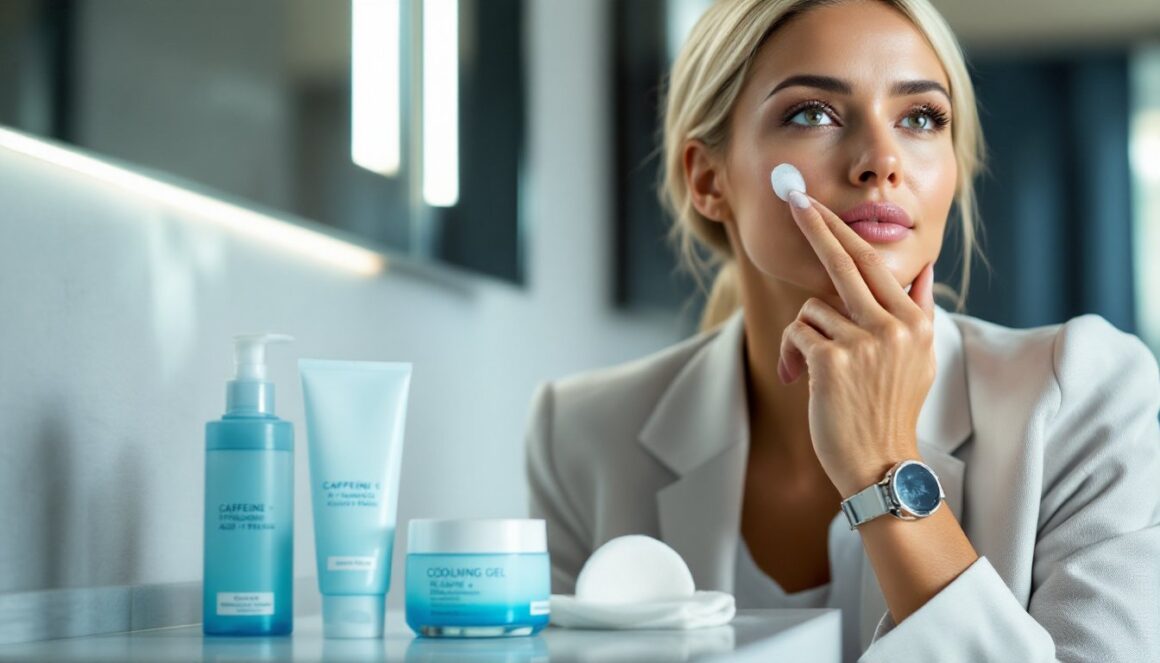
Under‑eye bags are one of those annoying details that make someone look tired even after a good night’s sleep. They’re usually caused by fluid retention, weakened skin and fat pad changes with age, allergies, or lifestyle factors like salt and alcohol, different from dark circles, which are often pigmentation or thin skin showing blood vessels. This guide explains what causes puffiness, which ingredients actually work, and how to pick and apply an eye cream so they see visible improvement faster. It’s practical, no‑nonsense advice someone can start this week.
Key Takeaways
- Under-eye bags are mainly caused by fluid retention and weakened skin, distinct from dark circles which involve pigmentation and thin skin.
- The best cream for under-eye bags should contain ingredients like caffeine, green tea extract, or horse chestnut to reduce puffiness and support circulation.
- For hydration and skin smoothing, look for hyaluronic acid and peptides, which improve skin firmness and appearance over time.
- Apply eye creams gently with the ring finger, using a chilled caffeine-containing gel in the morning for quick de-puffing and a hydrating cream with peptides and retinol at night for longer-term benefits.
- Choose fragrance-free, hypoallergenic creams if you have sensitive skin, and always test new products to avoid irritation.
- Lifestyle changes like reducing salt intake, elevating the head during sleep, and managing allergies enhance the effectiveness of creams against under-eye bags.
What Causes Under‑Eye Bags And How They Differ From Dark Circles
Under‑eye bags (puffiness) and dark circles are often lumped together, but they’re different problems that need different fixes.
Puffiness (under‑eye bags): mainly from fluid retention and poor micro‑circulation. Age matters: the skin and the fat pads around the eye can weaken or shift, so a small fluid change shows as a visible bag. Allergies, irritation, and strong fragrances can also trigger swelling. Lifestyle contributors include high salt intake, alcohol, poor sleep, and sinus congestion.
Dark circles: usually from pigmentation (sun damage or genetic melanin), very thin skin that lets blood vessels show through, or volume loss that creates shadowing under the eye.
Why this matters for choosing a cream: creams that reduce puffiness generally target circulation and fluid (drainers and mild vasoconstrictors). Creams aimed at dark circles focus on brightening, pigment control, and skin‑thickening. Treating the wrong cause wastes time and money.
Practical checks to decide which we’re dealing with:
- Press the swollen area lightly, if it leaves a faint indentation, fluid retention is likely.
- If the discolouration looks brownish, pigmentation is likely: bluish purplish suggests visible vessels or thin skin.
- Note timing, if puffiness is worse in the morning, fluid and sleep position are suspects.
If signs point to structural volume loss or a dramatically bulging pocket, a consult with a dermatologist or plastic surgeon is appropriate: that’s structural, not something topical creams can fully correct.
Key Ingredients To Look For In The Best Eye Creams
Different ingredients target different mechanisms. When shopping, look at the active list and match it to the cause.
For puffiness / bags:
- Caffeine, a mild vasoconstrictor and lymphatic drainer that reduces visible swelling quickly. Good for morning use.
- Green tea extract / horse chestnut / arnica, plant extracts that support micro‑circulation and reduce inflammation. Choose formulations marked fragrance‑free if prone to irritation.
- Cooling gel bases, not an ingredient per se, but a lightweight gel with silica or glycerin feels cooling and gives immediate de‑puffing.
For hydration and smoothing (works across causes):
- Hyaluronic acid (HA), attracts and holds water to plump the skin. Use as a daytime and nighttime hydrator: it helps the under‑eye look smoother so bags are less obvious. Note: HA draws moisture, so in very dry climates pair with an occlusive or apply before moisturizer. For those looking to reduce expression lines around the eyes, a snap-8 wrinkle serum can be a valuable addition to a skincare routine, as peptide-based formulas are designed to help soften the appearance of dynamic wrinkles over time.
- Peptides, small proteins that support collagen and skin firmness over weeks to months. Good for age‑related thinning.
- Retinol (eye‑specific, low concentration), strengthens skin and increases cell turnover. Use cautiously: only eye‑safe low concentrations and apply at night: retinol can irritate and increase sun sensitivity.
For dark circles / pigmentation:
- Vitamin C, brightens and supports collagen: best in stable, well‑formulated derivatives (ascorbyl glucoside, tetrahexyldecyl ascorbate).
- Niacinamide, reduces pigment transfer and supports barrier function.
For sensitive or allergy‑prone skin:
- Look for fragrance‑free, hypoallergenic, alcohol‑free formulas. Avoid essential oils and strong botanicals if they’ve caused reactions before.
Packaging and concentration matter: eye creams in pumps or tubes keep actives stable better than open jars. Also, products list actives, higher concentration isn’t always better: for retinol and peptides lower, well‑tolerated doses work best around the eye.
How To Choose The Right Cream For Your Cause And Skin Type
Choosing is about matching cause, skin sensitivity, and daily habits.
Steps to choose:
- Identify the main problem (use the quick checks in the first section).
- Pick actives that directly address that problem (caffeine/green tea for bags: vitamin C/niacinamide for dark circles: peptides/retinol for thinning and aging).
- Factor in skin sensitivity: if the under‑eye is reactive, choose fragrance‑free, low‑alcohol formulations and do a patch test behind the ear for 48 hours.
- Consider texture: morning creams should be lightweight or gel to layer under makeup: evening creams can be richer if the skin tolerates them.
Product form guidance:
- Morning routine: a chilled caffeine‑containing eye gel or lightweight cream plus sunscreen around the orbital bone (not too close to the lash line). Caffeine gives quick tightening and less puffiness.
- Evening routine: a hydrating formula with hyaluronic acid and peptides: if tolerated, a night product with a low‑strength eye retinol a few times per week to strengthen thin skin.
Safety and expectations:
- Retinol near the eye can cause irritation: start every third night, increase slowly if no redness. Always follow with daytime sun protection, retinol increases photosensitivity.
- If allergy or sinus problems persist, treating those (antihistamines, nasal sprays, allergist consult) often gives more improvement than topicals alone.
- Cost note: pricier does not always mean more effective: look at concentration and clinical backing. Many mid‑range products with clear ingredient lists outperform expensive, fragrance‑heavy creams.
Application Tips For Faster, Visible Improvement
Application Tips For Faster, Visible Improvement
- Always start with clean skin. Remove makeup gently: residues can inflame the area.
- Use a grain‑of‑rice amount per eye and the ring finger to apply. The ring finger delivers gentle pressure.
- Tap, not rub, along the orbital bone, about 1 cm from the lash line. Avoid getting product into the eye.
- For morning de‑puffing, store the eye cream in the refrigerator or use chilled gel pads for 5–10 minutes before applying cream: the cold constricts vessels and helps lymphatic drainage.
- Be consistent: expect incremental improvement, caffeine and cooling can show changes in days, but peptides and retinol need 6–12 weeks for structural change.
- Combine topical care with lifestyle tweaks: reduce evening salt, sleep with head slightly elevated, manage allergies, and stay hydrated.
Safety reminder: if a product causes stinging, burning, or a rash, discontinue immediately. Severe, persistent bulging or asymmetry should be evaluated by a medical professional, topicals won’t reverse pronounced fat herniation.
Conclusion: A Simple Plan To Reduce Under‑Eye Bags With The Right Cream
A practical, low‑risk plan is: morning, cool compress plus a caffeine eye gel and sunscreen around the orbital bone: evening, hydrating cream with hyaluronic acid and peptides, and introduce a low‑strength eye retinol only if skin tolerates it. Be consistent for several weeks, expect immediate temporary tightening from caffeine and cold, and structural improvement over 6–12 weeks from peptides/retinol. If allergies or structural issues drive the problem, address those directly or consult a professional. With the right active match and gentle application, most people will see noticeable reduction in under‑eye bags without invasive procedures.