Owing more than you can realistically pay back changes the way you think about money.
Every notification from a creditor adds pressure, and the options people find online tend to blur together fast.
This guide breaks down the actual debt relief paths available right now, what each one costs, and how to figure out which one fits your situation.
Resources like ReliefGuardian can help you compare providers side by side before committing to anything.
The goal here is to give you enough practical knowledge so you are not going in blind.
What Debt Relief Actually Means
Debt relief is a broad term that covers any strategy designed to reduce, restructure, or eliminate unsecured debt.
That includes credit card balances, medical bills, personal loans, and sometimes private student loans.
It does not typically apply to mortgages, auto loans, or federal student debt, which all have their own separate programs.
Where people get tripped up is assuming debt relief means one specific thing.
A nonprofit credit counseling session qualifies as debt relief, and so does filing Chapter 7 bankruptcy.
The consequences of each vary enormously, which is why understanding the individual options matters more than chasing the label.
Debt Consolidation Loans
This is the most straightforward approach.
You take out a single personal loan at a lower interest rate and use it to pay off multiple debts.
Instead of juggling five credit card payments at 22-28% APR, you make one monthly payment, often somewhere between 8% and 15% depending on your FICO score.
Consolidation works best when your credit is still decent, roughly 650 or higher.
If the new loan’s total interest cost over its term is not meaningfully lower than what you currently pay, consolidation just moves the problem around.
Credit Counseling and Debt Management Plans
Nonprofit credit counseling agencies affiliated with the National Foundation for Credit Counseling (NFCC) can set up a debt management plan on your behalf.
You make a single payment to the agency each month, and they distribute it to your creditors at a negotiated lower interest rate.
DMPs typically run three to five years and can cut rates down to 0-8%.
The catch is that you usually have to close the credit card accounts included in the plan, which can temporarily impact your credit utilization ratio.
For people who need structure and are not too far behind on payments, this path is often underrated.
Debt Settlement
Debt settlement is where things get more aggressive.
The idea is to negotiate with creditors to accept a lump-sum payment that is less than the full balance, typically 40-60% of what you owe.
Settlement companies charge a fee of 15-25% of the enrolled debt, and the process can take two to four years.
Most programs ask you to stop making payments while you build up funds in a dedicated savings account.
That means your accounts go delinquent, your credit score drops, and creditors may sue before any deal gets made.
The IRS also treats forgiven debt over $600 as taxable income on a 1099-C form, so you could end up with a surprise tax bill.
Bankruptcy: Chapter 7 and Chapter 13
Bankruptcy is the legal last resort, and it is not as catastrophic as most people assume.
Chapter 7 bankruptcy wipes out qualifying unsecured debt entirely if you pass a means test proving your income falls below your state’s median.
Chapter 13 sets up a court-supervised repayment plan lasting three to five years where you keep your assets but pay back a portion based on disposable income.
Both types stay on your credit report for seven to ten years, but the practical impact starts fading much sooner.
Many people see their scores recover within two to three years after filing.
Red Flags to Watch For
The debt relief industry has its share of bad actors.
The Federal Trade Commission banned advance fees for debt settlement companies in 2010, but shady operators still find workarounds.
Watch out for these warning signs:
- Upfront fees before any debt has actually been settled.
- Guaranteed results or promises to eliminate a specific percentage of your debt.
- Pressure to stop communicating with creditors without clearly explaining the risks.
- No written contract or fee disclosure before you sign.
The Consumer Financial Protection Bureau (CFPB) and your state attorney general’s office are both good places to check a company’s complaint history before signing up.
How to Decide Which Path Fits
Choosing a debt relief strategy is about matching the approach to your financial reality.
Consolidation and DMPs work well for balances under $30,000-$40,000 when income is stable.
Settlement and bankruptcy tend to make more sense at higher balances where the savings justify the risks involved.
If creditors are already filing lawsuits or pursuing wage garnishments, a voluntary plan alone may not be enough, and legal advice becomes essential.
When your credit score is already damaged from missed payments and collections, the difference between your current score and a post-bankruptcy score may be smaller than you think.
Taking the First Step
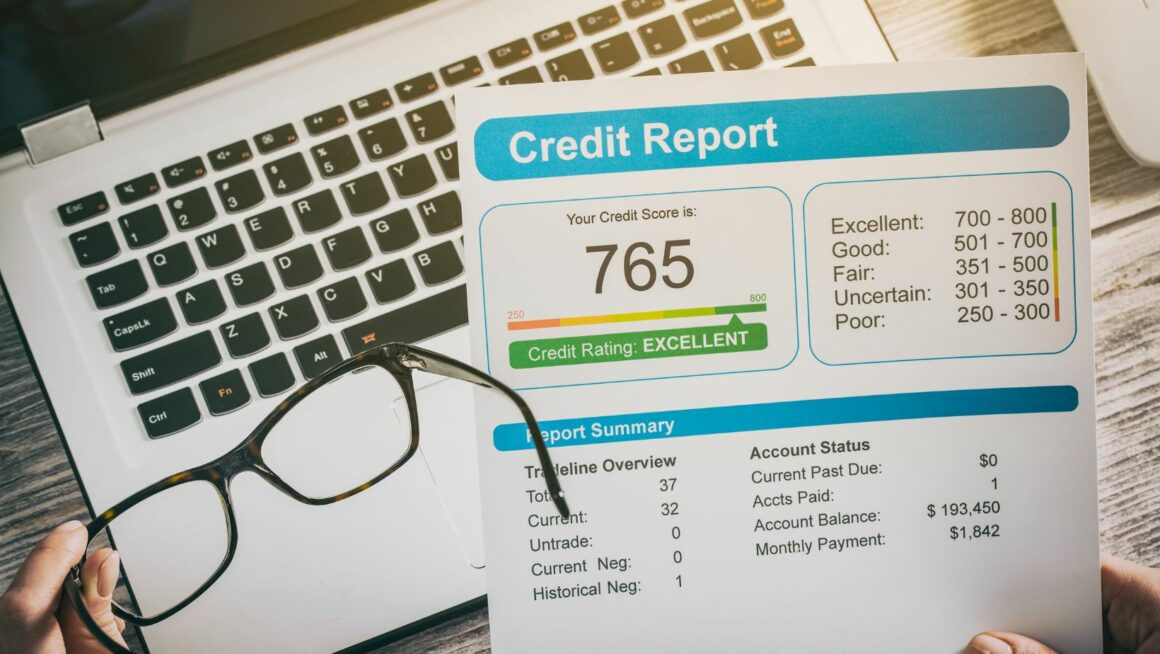
Pull your full credit report from AnnualCreditReport.com and list out every debt with its interest rate, current status, and whether it is in collections.
That snapshot gives you the baseline you need to evaluate any program or provider honestly.
Pair that with a realistic look at your monthly budget, and you will have the clearest picture of where you stand.
Every debt relief path has trade-offs, but the point is to pick the one where those trade-offs are worth it for your specific situation.