
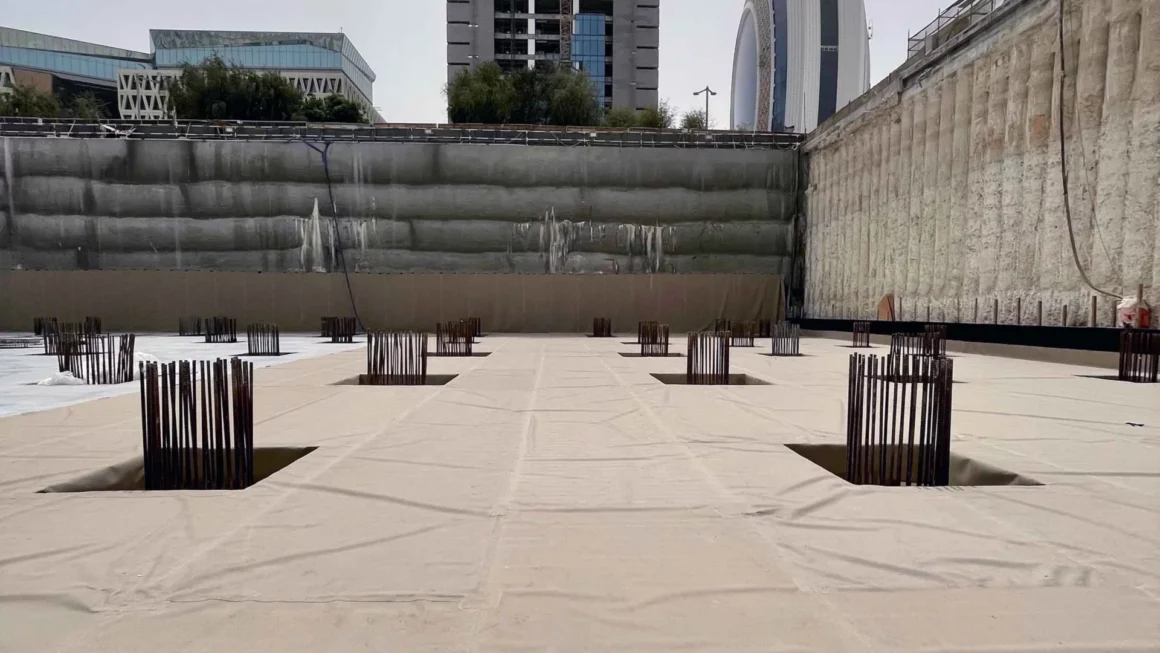
Elevator pits are located at the lowest point of a building, often below ground level, where water naturally collects due to gravity and soil pressure. These areas are highly vulnerable to moisture intrusion from groundwater, surface runoff, and condensation. Over time, even small amounts of water can corrode metal components, weaken concrete, and interfere with elevator functionality. Because elevator systems rely on precise mechanical performance, any moisture-related damage can pose safety risks and lead to costly repairs. Waterproofing is not just a preventive measure but a necessity for maintaining a building’s structural and operational integrity. By addressing water infiltration early, property owners can avoid long-term deterioration and ensure consistent elevator performance. Proper planning, material selection, and installation all play a role in creating a durable moisture barrier in these critical underground spaces.
Understanding Moisture Risks in Elevator Pits
- Core Methods That Prevent Water Intrusion
Effective waterproofing begins with understanding how water enters the pit. Cracks in concrete, porous surfaces, and weak joints are common entry points. To counter this, a combination of methods is typically applied, including surface coatings, integral waterproofing admixtures, and drainage systems. Cementitious coatings bond directly with concrete, creating a barrier that resists water penetration while still allowing the structure to breathe. Membrane systems, whether liquid-applied or sheet-based, provide an additional layer of defense by forming a continuous seal over the pit walls and floor. Drainage solutions such as sump pumps and perimeter drains help redirect water away from the structure, reducing hydrostatic pressure. In many cases, integrating multiple systems provides a more reliable outcome. One critical aspect of elevator pit waterproofing is ensuring that all joints and penetrations are properly sealed to eliminate weak points where water can bypass protective layers.
- Material Selection and Long-Term Durability
Choosing the right materials is essential for achieving lasting results in elevator pit waterproofing. The underground environment exposes materials to constant moisture, temperature fluctuations, and chemical interactions with soil. Cement-based waterproofing products are often used because they integrate well with concrete and provide durability under pressure. Crystalline waterproofing systems are another option, as they penetrate the concrete and form insoluble crystals that block water pathways. Polyurethane and epoxy coatings offer flexibility and strong adhesion, making them suitable for areas prone to movement or minor structural shifts. The compatibility of materials with existing structures must be carefully evaluated to prevent future failures. Durability is not only about resisting water but also about maintaining performance over time without frequent maintenance. Selecting high-quality materials that can withstand harsh underground conditions ensures that the waterproofing system remains effective for years without significant degradation.
- Installation Techniques and Structural Integration
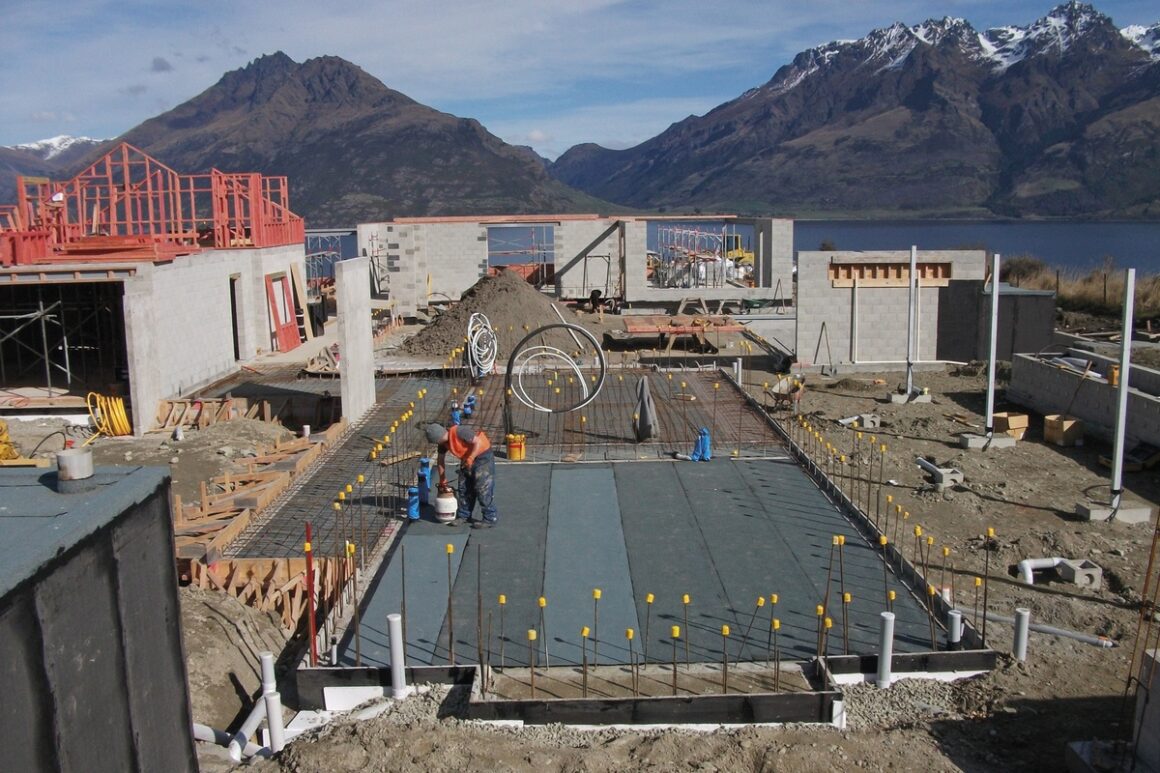
The success of waterproofing depends heavily on how well it is installed. Even the most durable materials can fail if applied incorrectly or without proper surface preparation. Before installation begins, the concrete surface must be cleaned thoroughly to remove dirt, oil, and loose particles. Any cracks or voids should be repaired to create a smooth and stable base. Application techniques vary depending on the chosen system, but consistency and attention to detail are crucial. Membranes must be applied without gaps, overlaps must be sealed properly, and coatings must reach the required thickness. Integration with structural components such as joints, pipes, and reinforcement areas requires careful handling to prevent weak points. Waterproofing should also be coordinated with other building systems, including drainage and electrical installations, to ensure compatibility. A well-executed installation creates a continuous protective layer that works seamlessly with the structure rather than acting as an isolated solution.
- Common Challenges in Underground Waterproofing
Elevator pits present unique challenges due to their confined space and constant exposure to moisture. One of the most significant issues is hydrostatic pressure, which forces water through even the smallest openings in concrete. This pressure can increase during heavy rainfall or when groundwater levels rise, making it difficult to maintain a completely dry environment. Another challenge is the presence of construction joints, which are often more vulnerable to leakage than solid concrete sections. Repairing these areas requires precision and the use of appropriate sealing materials. Accessibility is also a concern, as working in a confined pit limits the ability to use large equipment or apply certain systems efficiently. Additionally, older buildings may have existing damage that complicates the waterproofing process. Addressing these challenges requires a combination of proper planning, skilled application, and the use of adaptable materials that can perform under varying conditions.
- Maintenance and Inspection Strategies
Waterproofing is not a one-time task but an ongoing process that requires regular inspection and maintenance. Over time, environmental factors and structural movement can create new vulnerabilities, even in well-installed systems. Routine inspections should focus on identifying signs of moisture, such as damp spots, rust, or mold growth. Early detection allows for timely repairs before problems escalate. Maintenance may involve resealing joints, repairing minor cracks, or ensuring that drainage systems remain functional. Sump pumps and drainage lines should be checked periodically to confirm that they are operating efficiently. Keeping the pit clean and free of debris also helps maintain the effectiveness of the waterproofing system. A proactive approach to maintenance not only extends the lifespan of the waterproofing but also protects the elevator equipment from damage. Consistent monitoring ensures that the system continues to perform as intended under changing conditions.
- Cost Considerations and Long-Term Value
Investing in elevator pit waterproofing involves upfront costs, but it delivers long-term value by preventing structural damage and reducing repair expenses. The cost of waterproofing depends on factors such as the size of the pit, the severity of existing issues, and the type of materials used. While some property owners may consider delaying waterproofing to save money, the potential consequences of water damage often result in higher expenses over time. Repairs to corroded components, structural reinforcement, and equipment replacement can quickly exceed the initial investment in waterproofing. Additionally, elevator malfunctions can disrupt building operations and inconvenience occupants. By prioritizing waterproofing early, property owners can protect their investment and maintain the reliability of their building systems. The long-term benefits include improved safety, reduced maintenance costs, and enhanced structural durability.
Protecting Underground Infrastructure
Elevator pits may be hidden from view, but their condition plays a significant role in a building’s overall performance. Ensuring that these areas remain dry and structurally sound requires a combination of proper design, quality materials, and careful installation. Waterproofing serves as a barrier against the constant threat of moisture, preserving both the structure and the equipment it supports. By understanding the challenges and applying effective solutions, property owners can maintain the integrity of their buildings over time. Attention to detail at every stage, from planning to maintenance, ensures that the waterproofing system continues to function effectively. In the long run, protecting underground infrastructure contributes to safety, reliability, and the longevity of the entire building system.