Freelancing offers flexibility and independence, but it also comes with uncertainty. You complete a project, send the invoice, and then wait. Thirty days pass, sometimes forty five. Meanwhile, your rent, utilities, and software subscriptions are due right now.
This is the cash flow trap many gig workers know too well. The income is earned, but it is not accessible yet.
Waiting for payment does not pause your personal bills. The mismatch between outgoing expenses and incoming payments creates pressure, even for profitable businesses.
Why Banks Often Say No
Traditional banks prefer predictability. They look for consistent weekly or fortnightly deposits into your account. Freelancers, by contrast, experience feast and famine cycles. One month may bring several large invoices paid at once. The next may show minimal deposits while you wait for clients to settle outstanding amounts.
Banks often decline applications from sole traders, which is why many people start looking for lenders that advertise guaranteed approval or no credit check options. What they usually want is a lender who will assess their invoices and cash flow, not just ask for a standard payslip.
In Australia, lenders cannot legally guarantee approval without assessing your circumstances. Responsible lending obligations require them to make reasonable inquiries into your financial situation and ability to repay. In other words, a true “no refusal” loan doesn’t exist.
What does exist are specialist lenders who are more familiar with irregular income and self-employed applicants, and who assess affordability using alternative forms of documentation.
The Cash Flow Bridge
For freelancers, a short term loan can act as a bridge between completed work and received payment. Instead of missing rent or delaying supplier payments, you temporarily cover the gap and repay the loan once your client pays the invoice.
This approach is not about funding lifestyle upgrades. It is about smoothing timing differences in business income.
Used strategically, it allows you to maintain professional credibility, avoid late fees, and keep your business running without interruption.
How Modern Assessment Technology Helps
Unlike traditional banks that rely heavily on payslips, many specialist lenders now use secure bank statement technology. This allows them to analyse your average income over time, even if deposits are irregular.
They can see patterns in your cash flow, recurring client payments, and overall turnover. This broader view often provides a more accurate picture of affordability for freelancers.
If you need to purchase materials for your next job while waiting on an invoice to be paid, you might look for short-term loan options that promise fast approval. Some lenders assess your recent bank activity and business cash flow to make a quicker decision.
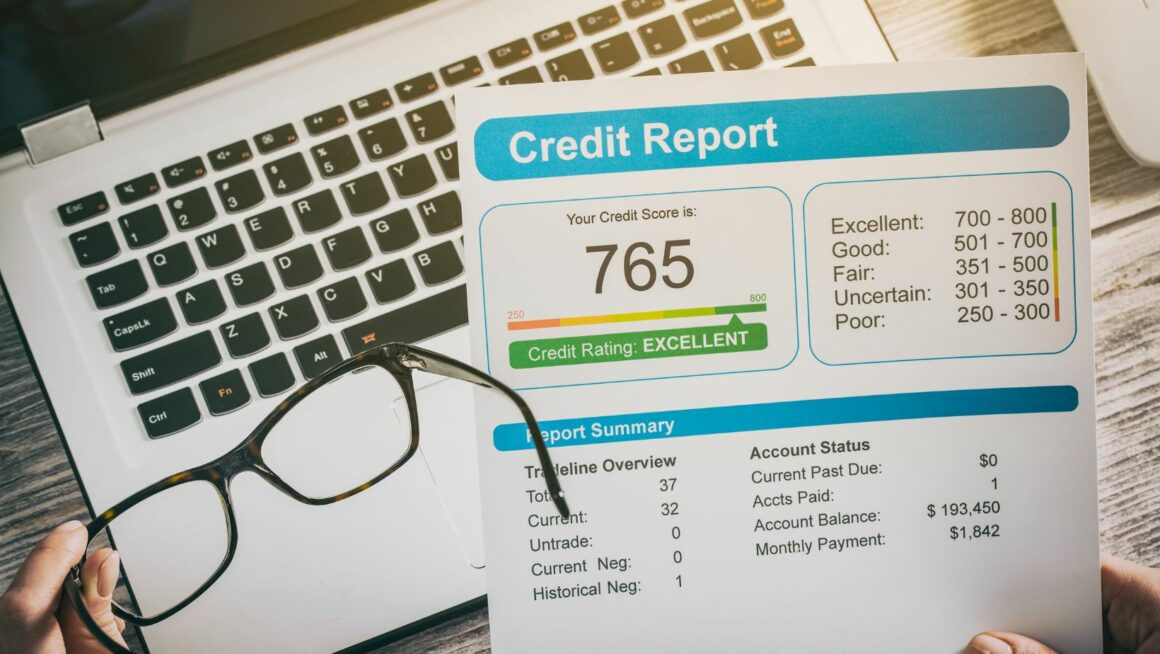
However, credit history may still form part of the assessment. It’s just not always the only factor considered. Instead of relying purely on traditional employment categories, some lenders place more weight on your actual income patterns and day-to-day cash flow.
Conclusion
Late invoices are frustrating, but for freelancers, they are part of the reality. The goal is not to pretend they will not happen. It is to make sure they do not throw everything off track.
When used carefully, short-term finance can provide a buffer during payment delays. The key is knowing exactly how you will repay it, ideally from income that is already due, and borrowing only what you genuinely need.
Choosing lenders who understand freelance income and being realistic about your cash flow makes a real difference. A slow-paying client should not stall your progress. With a sensible plan in place, you can keep projects moving and stay focused on growing your business while waiting for the money you have already earned.