
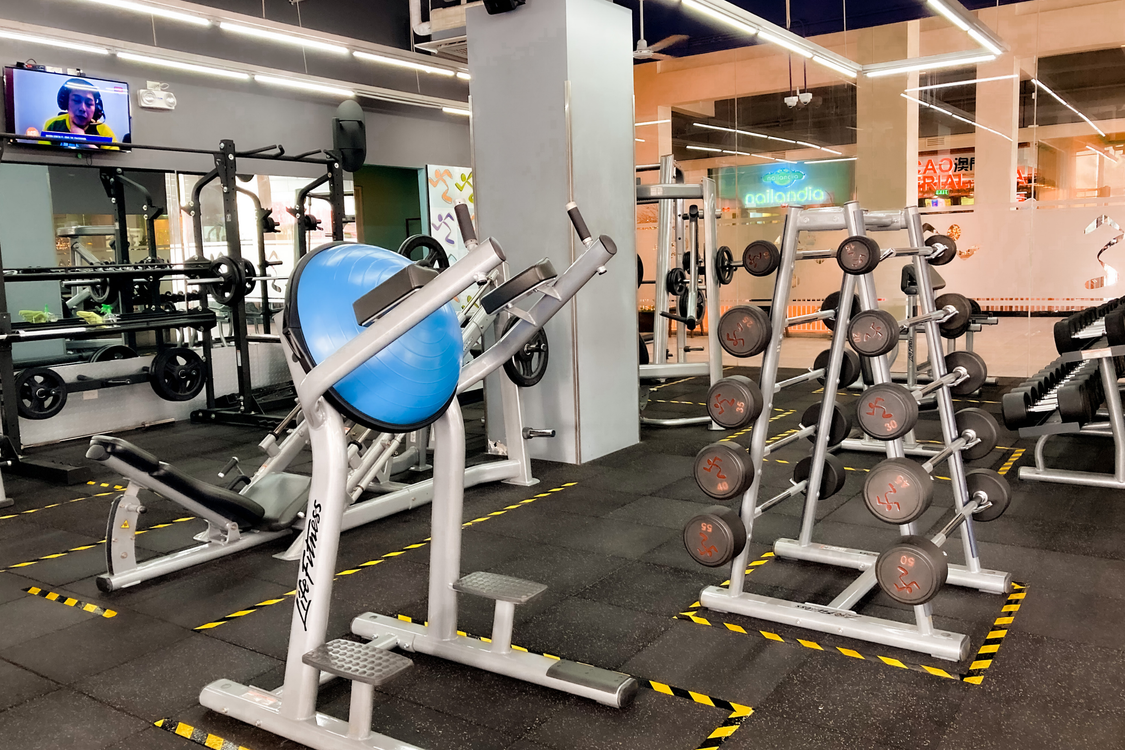
Opening a commercial gym requires dozens of decisions, but few carry as much weight as equipment selection. The machines and free weights on your floor determine what members can train, how many people the facility can serve at once, and how much you spend on maintenance over time.
Poor choices lead to underused machines, overcrowded stations, and unnecessary replacement costs. A structured approach to equipment selection helps avoid those problems and keeps the business financially sound from day one.
Define Your Facility’s Purpose Before Shopping
Every equipment decision should trace back to the type of gym you plan to operate. A strength-focused facility needs a different setup than a general fitness club, a boutique studio, or a corporate wellness center.
Before looking at catalogs or browsing commercial gym equipment from Fitness Avenue or similar retailers, document your target member profile, expected peak-hour capacity, training programming, total floor space, and price point. These variables narrow the field and prevent impulse purchases that don’t match how the space will actually be used.
Match Equipment to the Movements Members Will Perform
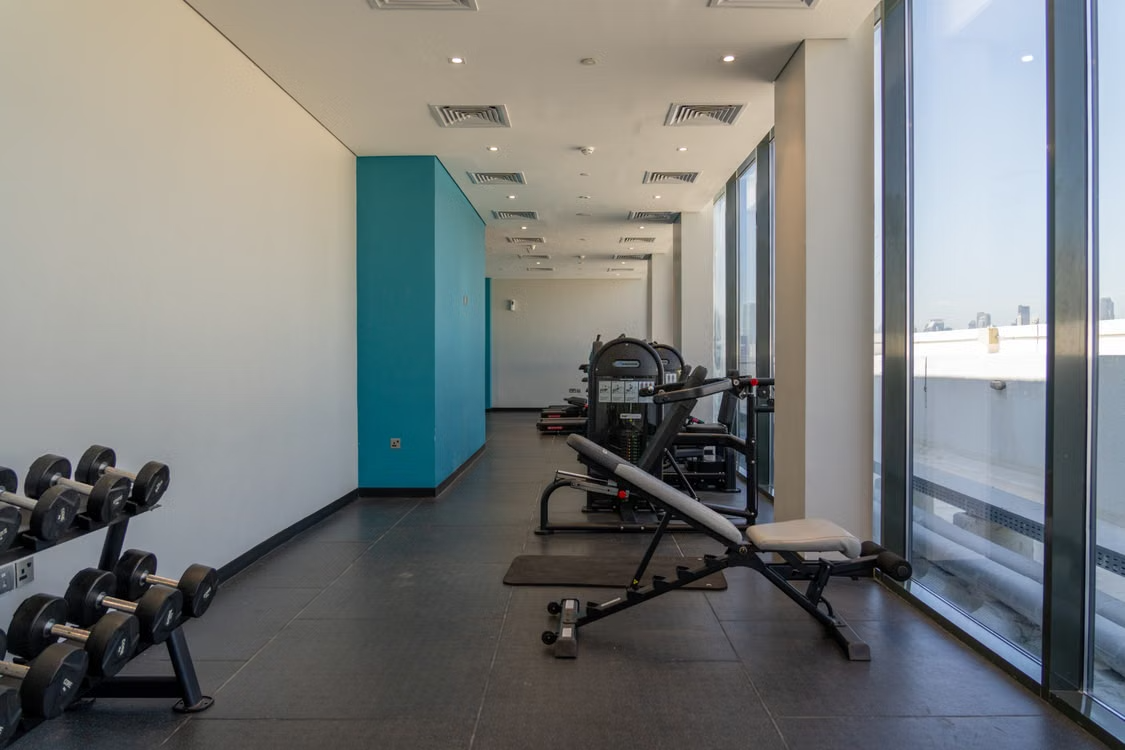
A common mistake is buying based on personal preference rather than member demand. Instead, list the core movement patterns your programming will cover. Most commercial gym programs rely on some combination of:
Select equipment that covers these patterns with minimal overlap. If two machines serve the same function and only one gets regular use, the other is wasted capital and floor space.
Prioritize Versatility Over Specialization
Multi-use equipment stretches both your budget and your square footage. Adjustable benches, power racks, cable stations, barbells, and dumbbells each support a wide range of exercises across skill levels. A single power rack, for example, can accommodate squats, presses, pull-ups, and band work without requiring four separate stations.
Specialty machines have a place, but they should come after you have the foundational pieces in place. Wait until the gym is operational and you have usage data before investing in niche equipment that may only appeal to a small segment of your membership.
Separate Equipment Into Spending Tiers
Not every category deserves the same level of investment. A tiered framework helps you allocate budget where it matters most:
This structure prevents overspending on items that don’t drive member satisfaction while protecting the budget for high-traffic essentials.
Account for Total Cost of Ownership
Upfront cost is just one part of the financial picture. Factor in shipping, assembly, installation, flooring preparation, electrical requirements, and ongoing maintenance. Some machines also require periodic cable replacement, upholstery repair, or calibration.
Equipment that costs more upfront but uses durable frames, standard replacement parts, and accessible service networks can be less expensive over a five-year window than a cheaper alternative that breaks down frequently. Downtime matters too — a broken machine during peak hours frustrates members and disrupts programming.
Plan for Storage and Flooring Early
These two line items are often the first to get cut when budgets tighten, but both affect safety, equipment longevity, and the facility’s overall feel.
Flooring thickness should match the activity in each zone. A free-weight area needs more impact protection than a stretching section or a row of selectorized machines. Planning zones in advance avoids the cost of installing premium flooring wall to wall.
Dedicated storage racks for plates, bars, dumbbells, and attachments keep the floor clear. This improves traffic flow and reduces tripping hazards and equipment damage.
Phase Purchases Based on Actual Demand
You do not need every planned machine before opening. A phased approach protects cash flow and lets real member behavior guide future purchases.
Open with the equipment required to deliver your core programming safely. After a few months, review usage patterns: if members are consistently waiting for specific stations, that tells you where to invest next. Leave enough floor space, power access, and clearance for future additions so expansion doesn’t require a full redesign.
Choosing equipment for a commercial gym is less about finding the newest machines and more about building a floor plan that serves your members, fits your space, and holds up financially over time. Start with function, buy in phases, and let data guide every addition.