

Waking up in the dark with your heart racing can feel deeply unsettling. A lot of people describe it as being pulled out of sleep by sheer fear, even when nothing obvious is happening around them. In that moment, it can be hard to tell whether you just had a bad dream, a physical health issue, or something more like a panic episode.
For some people, these episodes line up with nocturnal panic attack symptoms, which can include sudden terror, chest discomfort, sweating, shaking, shortness of breath, dizziness, or a strong sense that something is very wrong. Unlike a nightmare, a nighttime panic episode may happen without a clear dream story attached to it, and the fear can feel immediate and physical.
What a nocturnal panic episode can feel like
A nocturnal panic attack is a panic episode that starts during sleep and wakes a person up. The experience can be intense from the first few seconds. Some people sit upright suddenly, gasping or clutching their chest. Others notice pounding heartbeat, trembling, nausea, chills, numbness, or a feeling of unreality.
That does not automatically mean the cause is psychological alone. Some sleep-related and medical conditions can create sensations that overlap with panic, which is one reason sudden nighttime symptoms deserve careful attention rather than guesswork.
Research suggests that nighttime panic episodes share many features with panic attacks that happen during the day, though the symptom pattern may not be identical for every person. Studies have also found that traits like intolerance of uncertainty may be linked with nocturnal panic in some people, but that does not mean anyone is causing the episodes or can think their way out of them.
Common symptoms people notice at night
The symptoms often come on fast. They may include:
- sudden intense fear or dread
- rapid heartbeat or pounding chest
- shortness of breath
- sweating
- shaking or trembling
- dizziness or lightheadedness
- nausea or stomach discomfort
- tingling or numbness
- chest tightness
- feeling detached, unreal, or disoriented
- fear of losing control, passing out, or dying
Some people also notice a strange “jolt awake” sensation before the panic peaks. Others wake with an odd body feeling they cannot easily describe. That kind of experience has been discussed in case-based literature, but it is also one reason clinicians may look beyond panic alone when the symptoms are unusual, repetitive, or hard to classify.
How this is different from a nightmare
A nightmare usually involves a remembered dream with frightening content. You wake up afraid, but the fear often connects to the dream itself.
A nocturnal panic episode is different. The body may seem to go straight into alarm mode, sometimes without a clear dream narrative. The fear can feel more physical than symbolic. People often describe it as waking into panic, not waking from a scary story.
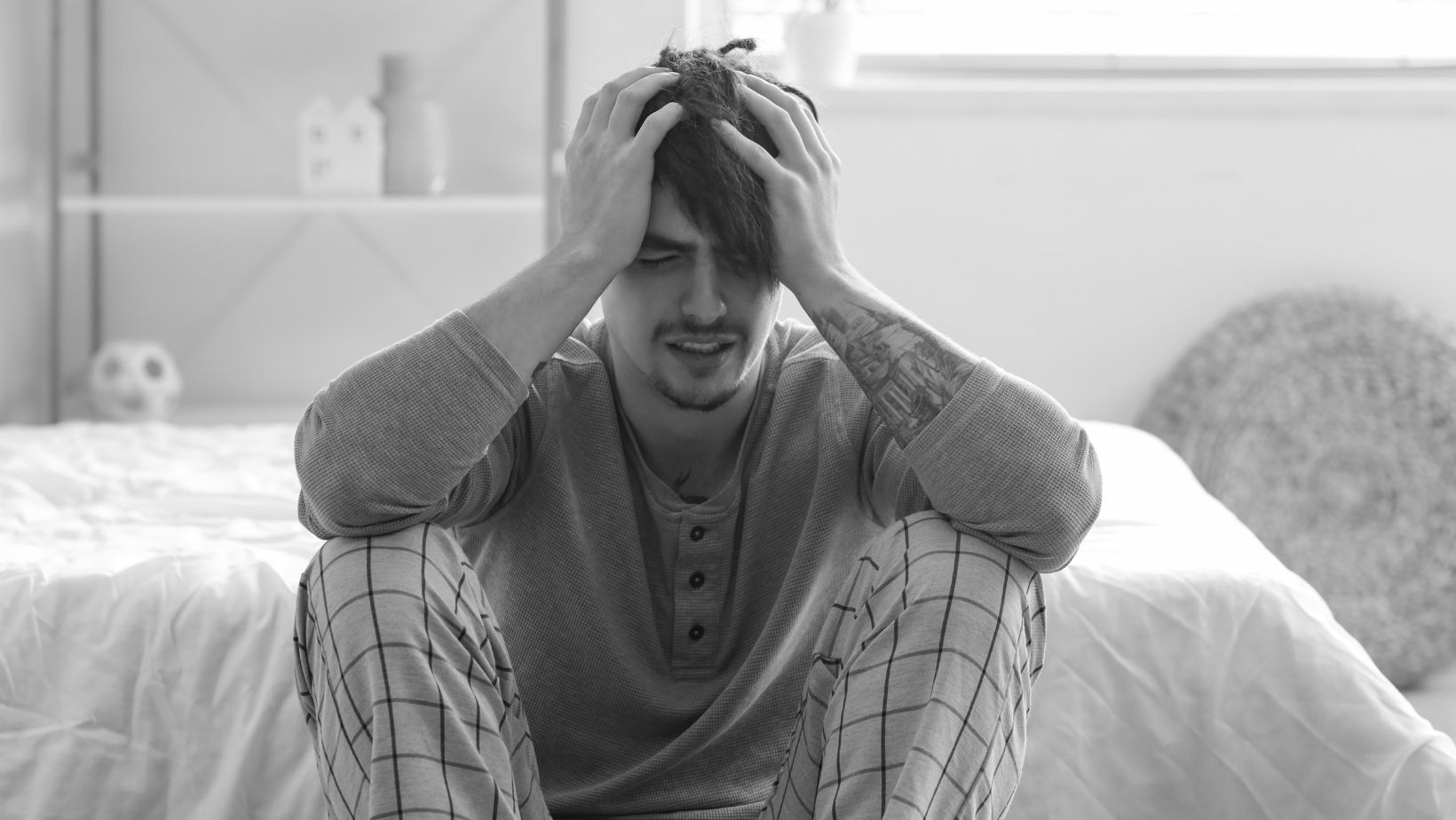
The distinction is not always obvious in real life. Sleep specialists and mental health clinicians sometimes need to look at timing, symptom pattern, dream recall, and medical history to sort it out.
Why sleep concerns matter here
Nighttime panic does not happen in a vacuum. Sleep disruption can make anxiety feel worse, and anxiety can make sleep lighter, more fragmented, or harder to trust. After a few episodes, some people start dreading bedtime itself. Then the cycle builds: fear of another episode, poor sleep, more body vigilance, more distress.
There is also another layer. Conditions such as obstructive sleep apnea, certain seizure disorders, and other sleep-related problems can sometimes resemble panic or appear alongside it. A published case report described REM-related obstructive sleep apnea presenting with panic-like nighttime symptoms, and another paper explored the challenge of telling nocturnal panic apart from sleep-related epilepsy in some cases.
That does not mean every nighttime panic feeling points to a neurological or sleep-breathing disorder. It does mean repeated episodes deserve a real assessment, especially when the pattern is new, severe, or changing.
Possible contributors
No single cause explains every nighttime panic episode. In many people, it may relate to panic disorder or a broader pattern of anxiety. In others, poor sleep, stress load, health anxiety, caffeine, alcohol, medication effects, or underlying sleep problems may play a role.
Researchers have also looked at body-level patterns tied to anxiety, including shifts in blood pressure rhythms and arousal during sleep. The evidence is still developing, and not every study points in the same direction. What is clearer is that these episodes involve a real mind-body stress response. They are not “just in your head.”
When it is time to get checked out
Repeated nighttime episodes are worth bringing up with a healthcare professional, especially when they affect sleep, daily functioning, or your sense of safety in your own body.
It is also wise to seek medical evaluation when you have:
- new chest pain
- fainting
- significant breathing problems during sleep
- loud snoring with gasping or choking
- unusual movements, confusion, or loss of awareness
- symptoms that are getting more frequent or more intense
- a history of seizures, heart disease, or sleep apnea
To keep this grounded, try noting what happens before bed, what wakes you, how long the episode lasts, and what symptoms show up first. That kind of pattern can help a clinician sort through whether this looks more like panic, a sleep disorder, or another medical issue.
What treatment and support may involve
Treatment depends on the cause. When nighttime episodes are part of panic disorder or anxiety, care may include therapy, especially approaches that help people understand panic sensations and respond to them differently over time. Some people may also discuss medication with a licensed clinician.
When a sleep disorder or another medical issue is involved, treatment may focus there instead. For example, sleep apnea treatment would not be the same as anxiety treatment. That is why an accurate evaluation matters.
There is reason for hope here. Even when the episodes feel overwhelming, they are often treatable once the pattern is clearer. Improvement may involve more than one step, and it may take some time, but people do get steadier sleep again.
A steady way to think about it
These episodes can be frightening, and they can leave you feeling wary of bedtime. Still, the fear itself does not tell you the whole story. Sudden nighttime panic sensations can happen, they can overlap with other sleep or medical conditions, and they can be evaluated in a thoughtful way.
You do not have to decide on your own whether it was a nightmare, panic, or something else. When episodes keep happening, a medical or mental health professional can help narrow it down and point toward the right kind of care.
Safety Disclaimer
If you or someone you love is in crisis, call 911 or go to the nearest emergency room. You can also call or text 988, or chat via 988lifeline.org to reach the Suicide & Crisis Lifeline. Support is free, confidential, and available 24/7.
Author Bio
Earl Wagner is a health content strategist focused on behavioural systems, clinical communication, and data-informed healthcare education.
Sources
- Smith, N. S., et al. (2022). Comparing symptom networks of daytime and nocturnal panic attacks in a community-based sample. Journal of Anxiety Disorders. https://doi.org/10.1016/j.janxdis.2021.102514
- Park, J. Y., et al. (2021). Awakening from sleep with numbness and indescribable odd feeling: Nocturnal panic attack or sleep-related epilepsy? Brain Sciences. https://doi.org/10.3390/brainsci11020137
- Zhang, P. (2022). REM obstructive sleep apnea with nocturnal panic-like episode as the main symptom. Journal of Clinical Otorhinolaryngology Head and Neck Surgery. https://doi.org/10.13201/j.issn.2096-7993.2022.03.014