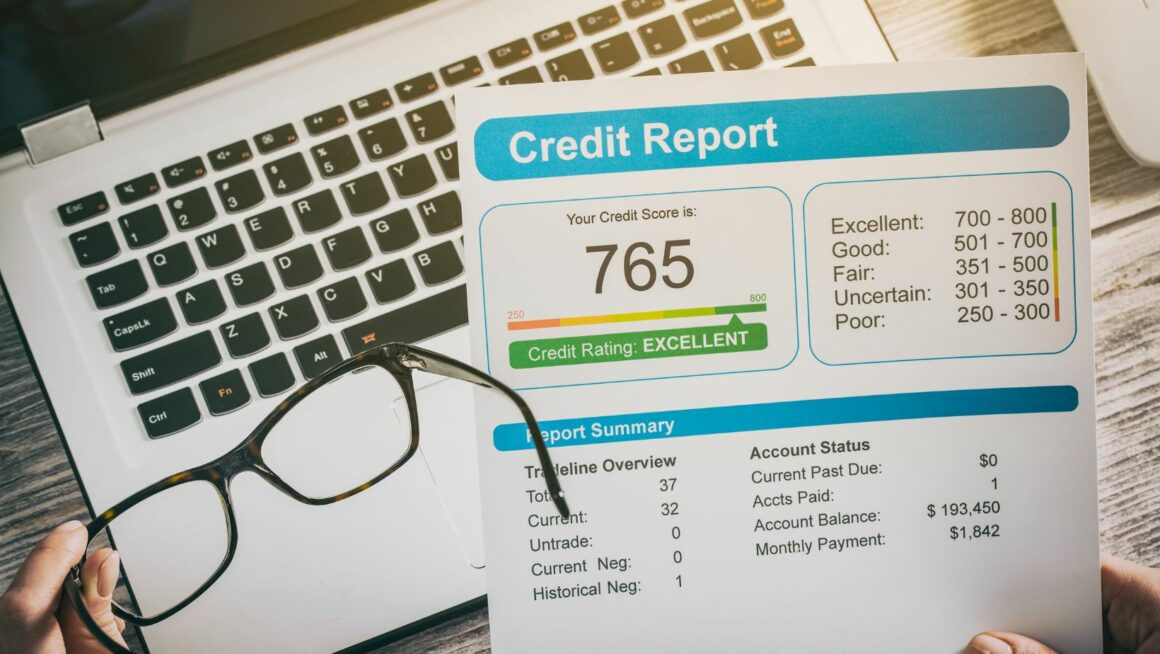

Finding a certified public accountant who understands the unique pressures of operating in a dense metropolitan environment is more than a box to check; it is a strategic decision that can shape cash flow management, tax efficiency, and long-term growth. Urban businesses face compressed timelines, heightened regulatory visibility, and rapidly shifting market conditions that require financial partners with both technical expertise and practical city-savvy instincts. Selecting a trusted CPA means evaluating capability, compatibility, and the capacity to act proactively rather than reactively.
Why urban businesses need specialized CPA services
City-based enterprises contend with local tax codes, licensing nuances, payroll complexities, and often a higher rate of audits or inquiries. These issues demand a CPA who not only knows federal tax law but also has experience with municipal regulations and neighborhood-level economic patterns. A firm that understands zoning impacts, sales tax nuances for different types of storefronts, and the accounting implications of ride-sharing or delivery-driven businesses offers immediate value. Beyond compliance, a seasoned CPA provides planning that aligns budgeting, capital investments, and hiring decisions with the pace and unpredictability of city life.
Probing credentials and specialties
Start with credentials but move beyond them. A CPA license confirms technical competence, but certifications, continuing education in relevant areas like state tax law or specialized industry training, and affiliations with professional networks indicate a commitment to staying current. Look for firms that publish thought leadership addressing issues common to urban operators—cash flow strategies for retail corridors, tax credits for historic property renovation, or bookkeeping systems optimized for high-volume, low-margin businesses. When you need guidance on incentives or compliance matters, a CPA familiar with city economic development programs may unlock savings you wouldn’t find on your own.
Assessing experience and references
Experience should be measured by depth, diversity, and relevance. Ask prospective CPAs about clients similar in size, sector, and operational model to your business. An accountant with experience across restaurants, small manufacturing, professional services, and e-commerce will be more adaptable to the hybrid models many urban companies adopt. Request references and follow up with those businesses. Hearing how a CPA handled seasonality, rapid expansion into new neighborhoods, or a complex audit gives you insight into their problem-solving style. Pay attention to how they explain outcomes: transparency and clarity in past engagements often predict helpful communication in future working relationships.
Practical considerations when vetting candidates
Practical chemistry matters. A CPA might have impeccable credentials but if their communication style is inconsistent with yours, the relationship will be strained. Establish expectations early: preferred modes of communication, reporting cadence, and response times for urgent issues. Discuss technology stack and data security: urban firms need robust systems that support remote access, integrate with point-of-sale platforms, and protect sensitive payroll and tax data. Agree on deliverables and pricing models. Some CPAs bill hourly, others offer bundled services or retainers. For businesses with seasonal peaks, a flexible pricing arrangement that scales with workload can be advantageous.
Finding a local fit with broader reach
While local presence helps with immediate, on-the-ground issues, the best partner will combine neighborhood knowledge with broader technical capability. Firms with connections to banking partners, commercial real estate advisors, and legal counsel provide value beyond bookkeeping. A CPA who can coordinate with other professionals to structure financing, negotiate leases, or advise on corporate formation will save time and reduce friction across critical decisions. For New York-based enterprises and those expanding across city lines, considering a firm that balances local insight with regional tax expertise is essential. For example, a strong option might be a New York accounting firm that blends municipal know-how and metropolitan service delivery.
Red flags to watch for
Beware of opaque fee structures and an unwillingness to provide references. Avoid firms that promise guaranteed audit-free outcomes or give tax advice that seems too aggressive without documenting legal support. Lack of modern tools or resistance to integrating with cloud accounting systems can hinder efficiency and limit your ability to scale. If a CPA cannot explain complex concepts in a way that makes sense to nonfinancial partners, misalignment is likely. Trust your instincts: if initial conversations leave you uncertain about transparency or responsiveness, continue your search until you find a better fit.
Building a long-term partnership
Once you select a CPA, treat the relationship as a strategic partnership. Schedule regular financial reviews that align with business cycles, and use those sessions to refine forecasts, evaluate capital needs, and plan tax strategies well in advance. Invite your CPA into major decisions like leasing negotiations or new product launches—early input can prevent costly missteps. Keep records organized and communicate operational changes promptly so analyses reflect your current reality. A proactive CPA will alert you to credits, deductions, and risk areas before they become problems, and a collaborative business owner will reap compounding benefits over time.
Final considerations for city business owners
Selecting a trusted CPA for an urban business means balancing technical skill, local experience, and personal rapport. The right accountant will be a strategic advisor who anticipates regulatory shifts, optimizes tax positions, and helps you navigate the fast pace and complexity of city commerce. Invest the time to vet candidates thoroughly, align expectations clearly, and treat the relationship as an evolving partnership centered on growth, compliance, and resilience. With the right CPA in your corner, the financial burdens of city operations become fewer and opportunities for expansion become clearer.