
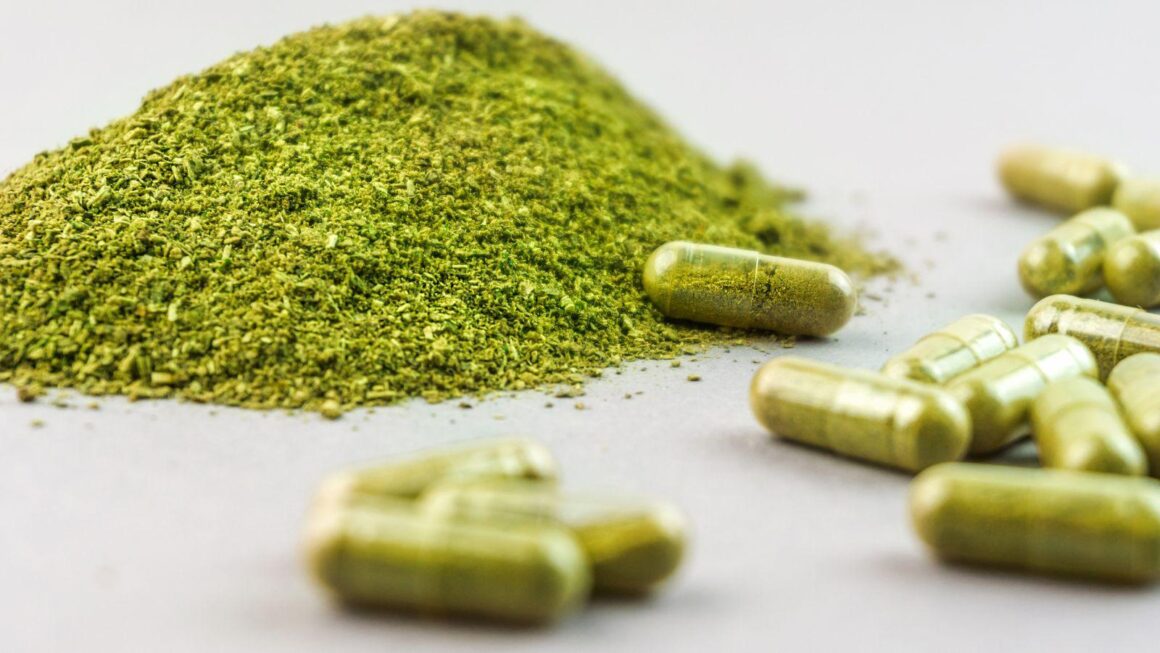
Every emerging consumer category eventually generates the same basic business question: where does the actual money and margin sit along the supply chain? For kratom, a botanical product that has grown steadily as a retail and specialty-shop category over the past decade, the economics run through a familiar structure: import and processing, wholesale distribution, and retail markup, each layer shaped by a regulatory environment that’s more complicated than most consumer goods categories face.
The Import and Processing Layer
Kratom is imported from Southeast Asian growing regions, primarily Indonesia, where Mitragyna speciosa trees are cultivated and harvested. From there, processing, drying, grinding, and testing, adds cost and time before the product ever reaches a wholesale supplier. Companies that vertically integrate more of this process, rather than relying entirely on third-party importers, generally have more control over both quality and margin, a pattern familiar from other imported agricultural commodity businesses.
Why Testing Costs Are a Real Line Item, Not a Marketing Expense
Independent lab testing, covering alkaloid identity, heavy metal and microbial contamination, and potency consistency, represents a genuine, recurring cost for manufacturers, not just a marketing talking point. Companies pursuing GMP qualification through the American Kratom Association’s Qualified Vendor program take on additional audit and compliance costs as well. Those costs get built into wholesale and retail pricing, which is worth understanding when comparing prices across vendors: a meaningfully cheaper product has often cut corners somewhere in this chain.
The Wholesale Layer’s Growing Sophistication
The wholesale tier of this industry has professionalized noticeably over the past several years, moving from a fragmented network of small importers toward fewer, more established suppliers offering documented testing, consistent supply, and formal business terms to retail partners. That consolidation mirrors what happened in the CBD wholesale market during its own early growth phase, and it tends to benefit retail buyers by reducing the variance in supplier reliability.
Retail Margins in a Restricted-Advertising Category
Retailers selling kratom operate with a specific structural advantage and disadvantage simultaneously: limited mainstream advertising and payment-processing access constrains customer acquisition costs upward, but the category has also historically carried healthier margins than more commoditized supplement categories, partly because fewer large, low-cost competitors have been able to scale as freely under the same restrictions.
Vertical Integration as a Competitive Strategy
Companies like Kingdom Kratom have built out both direct-to-consumer retail and a dedicated wholesale kratom channel, capturing margin at multiple points in the supply chain rather than relying on a single revenue stream. That two-sided model, consumer brand plus B2B supplier, is a fairly standard strategy in specialty food and botanical industries once a company has enough scale to support both operationally.
The Regulatory Risk Baked Into Every Financial Model
Any serious financial analysis of this industry has to account for regulatory risk as a structural, not incidental, factor. State-level legislative activity continues, and a state ban can eliminate a market overnight for companies without geographic diversification, a risk factor that doesn’t really exist in the same way for more conventionally regulated consumer goods categories.
Where the Numbers Point Next
Expect continued wholesale consolidation around fewer, better-documented suppliers, continued margin pressure from rising compliance and testing costs, and continued state-by-state regulatory variance as the primary risk factor shaping how this industry’s economics evolve over the next several years.
Capital Requirements for New Entrants
The capital bar for entering this market at a serious level has risen accordingly. A new entrant today needs to budget not just for inventory and marketing but for recurring lab testing costs, potential GMP audit fees, and the compliance staffing needed to track a fragmented multi-state regulatory landscape. That’s a meaningfully higher startup cost structure than existed a decade ago, and it’s part of why the market increasingly favors better-capitalized entrants over small operators trying to compete purely on price.
Mergers and Consolidation on the Horizon
Given the rising compliance and testing cost floor, industry watchers increasingly expect consolidation activity, larger, well-capitalized companies acquiring smaller regional brands that have built loyal customer bases but lack the capital to sustain expanding compliance requirements on their own. That pattern would mirror consolidation waves seen in the broader supplement and nutraceutical industry as regulatory expectations rose over time, rewarding scale and operational infrastructure over smaller, more fragmented competitors.
A Closing Note
Kratom products are intended for adult use only, and legal availability varies by state and locality, so anyone analyzing or engaging with this market, as a business, investor, or consumer, should review local regulations directly before drawing conclusions or making a purchase.