For many homeowners across California, home equity has become one of their most valuable financial assets. Years of mortgage payments, combined with property appreciation in many parts of the state, have created opportunities for homeowners to use a portion of that equity for important financial needs. Whether the goal is improving a home, paying for education, managing existing debt, or covering significant expenses, a Home Equity Line of Credit, commonly known as a HELOC, is one option worth understanding.
Before applying for any home equity financing, it is important to understand HELOC rates in California and how they affect the overall cost of borrowing. HELOC rates California homeowners receive can vary based on factors such as credit history, available equity, income, and market conditions. Interest rates directly affect borrowing costs, monthly payments, and the total amount repaid over time. Learning how lenders determine rates and what factors influence borrowing costs can help homeowners compare offers and make informed financial decisions.
What Is a HELOC?
A Home Equity Line of Credit is a revolving credit account that allows eligible homeowners to borrow against the equity they have built in their property. Equity is the difference between a home’s current market value and the remaining balance on any mortgage secured by the property.
Unlike a traditional home loan that provides all approved funds at one time, a HELOC allows borrowers to access money as needed, up to an approved credit limit, during a specified draw period. Interest is generally charged only on the amount that has been borrowed.
After the draw period ends, the repayment period begins. At that point, borrowers repay the outstanding balance according to the terms of their loan agreement.
Why HELOC Rates Are Important
Interest rates have a direct impact on the overall cost of borrowing. Even a modest difference in the rate offered by one lender compared with another can affect total interest costs over several years.
California homeowners often have access to larger amounts of home equity because home values in many areas of the state are among the highest in the country. As a result, understanding borrowing costs becomes even more important before entering into a lending agreement.
Comparing rates should always be part of the decision making process, but homeowners should also consider fees, repayment terms, and eligibility requirements.
How Lenders Determine HELOC Rates
Several factors influence the interest rate a lender may offer.
Credit Score
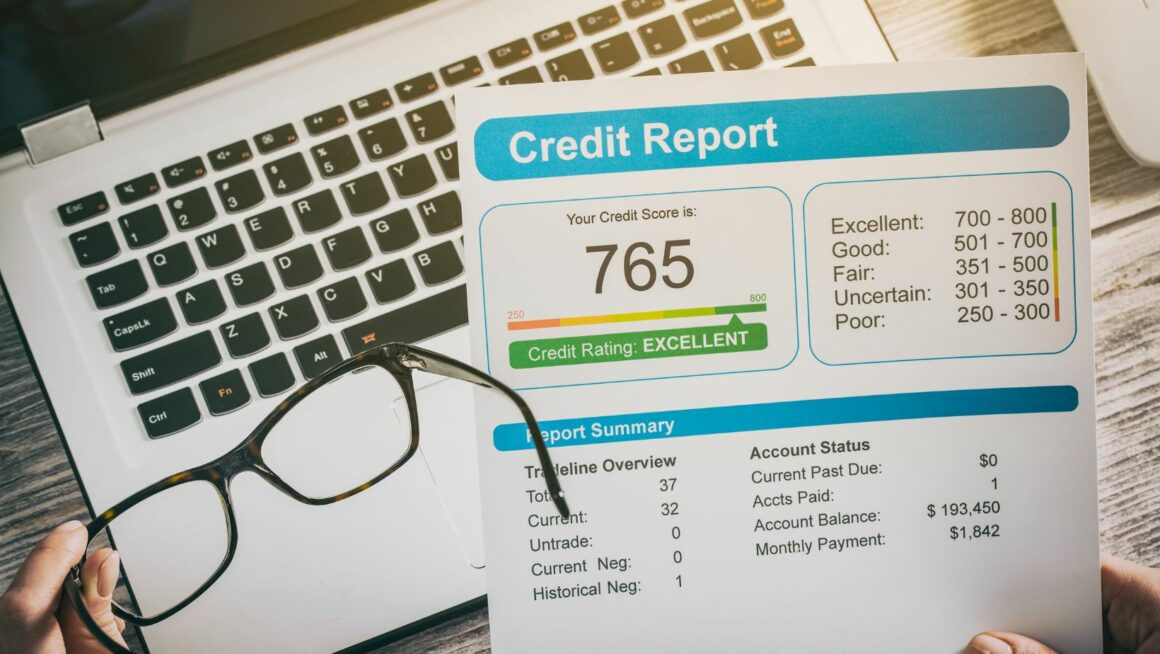
A borrower’s credit history is one of the first areas lenders evaluate. Higher credit scores generally indicate a history of responsible borrowing and timely payments.
Applicants with stronger credit profiles often qualify for lower interest rates than borrowers with lower scores.
Loan to Value Ratio
Lenders also review the loan to value ratio, commonly called LTV. This compares the total amount owed on the property to its current market value.
For example, if a home is worth $800,000 and the total mortgage balance plus the requested HELOC equals $480,000, the combined loan to value ratio is 60 percent.
Lower loan to value ratios often reduce lending risk and may result in more favorable borrowing terms.
Income and Existing Debt
Lenders review income to determine whether borrowers can comfortably manage monthly payments.
Debt to income ratio is another important measurement. This compares monthly debt obligations to gross monthly income. Lower debt levels often strengthen a loan application.
Property Value
An appraisal or other approved valuation method is typically used to estimate the current value of the home.
Higher property values can create additional borrowing capacity, although lenders still consider credit history and income before approving an application.
Market Interest Rates
HELOC pricing is also influenced by broader economic conditions.
Many lenders use the prime rate as the starting point when calculating HELOC interest rates. Changes in broader financial markets can affect borrowing costs over the life of the account if the loan agreement allows the interest rate to change.
California Housing Market Considerations
California presents unique circumstances for homeowners considering a HELOC.
Property values differ significantly from one region to another. Homes in cities such as Los Angeles, San Diego, San Jose, and San Francisco often have much higher market values than homes in many other parts of the country.
This increased value may provide homeowners with greater borrowing capacity, provided they meet the lender’s financial requirements.
California homeowners should also remember that housing costs extend beyond mortgage payments. Property taxes, homeowners insurance, and maintenance expenses should all be considered when evaluating monthly affordability.
Common Reasons Homeowners Use a HELOC
A HELOC can serve many financial purposes when used responsibly.
Home Improvements
Many homeowners use home equity to renovate kitchens, remodel bathrooms, replace roofing, improve landscaping, or complete energy efficiency upgrades.
Some improvements may also increase the home’s market value.
Debt Consolidation
Borrowers sometimes use home equity to pay off higher interest debt.
This approach may simplify monthly finances, although homeowners should remember that their home serves as collateral for the HELOC.
Education Expenses
College tuition and educational costs continue to rise. Some homeowners choose to use available home equity to help cover these expenses after comparing all available financing options.
Emergency Expenses
Unexpected medical bills, major home repairs, or other significant expenses can place pressure on household finances.
Having access to available credit may provide additional financial support when unexpected costs arise.
Comparing HELOC Offers
Interest rates should never be the only factor considered when choosing a lender.
Reviewing the complete loan agreement provides a better understanding of the total borrowing cost.
Important areas to compare include application fees, appraisal costs, annual fees, repayment requirements, minimum withdrawal amounts, and any fees that may apply if the account is closed shortly after opening.
Taking time to compare several lenders allows homeowners to evaluate both interest costs and overall loan features.
Ways to Improve Your Chances of Receiving Better Rates
Although no borrower can control market conditions, several steps may strengthen a loan application.
Maintaining a strong credit score remains one of the most effective ways to qualify for competitive rates.
Paying bills on time, reducing outstanding credit card balances, reviewing credit reports for errors, and limiting new credit applications before applying for a HELOC may all support a stronger financial profile.
Stable employment and consistent income also contribute to lender confidence during the approval process.
Understanding the Risks
A HELOC is secured by the borrower’s home. Missing payments can lead to serious financial consequences, including the possibility of foreclosure.
Interest costs may also increase if the loan agreement allows the rate to change over time. Homeowners should review all loan documents carefully and understand how payment amounts could change under different market conditions.
Borrowers should avoid taking on more debt than they can comfortably repay. Careful budgeting before borrowing helps reduce financial stress later.
Questions to Ask Before Applying
Before choosing a lender, homeowners should ask several important questions.
How is the interest rate calculated?
Can the interest rate change after the account is opened?
What fees are charged during the application process?
How long does the draw period last?
When does repayment begin?
Are there annual maintenance fees?
Are there penalties for closing the account early?
Receiving clear answers to these questions allows borrowers to compare offers with greater confidence.
Is a HELOC the Right Choice?
A HELOC is not the right financing option for every homeowner.
Individuals planning ongoing home improvement projects or other expenses that occur over time may appreciate having access to available credit instead of borrowing more than needed at once.
Others may prefer financing with fixed monthly payments throughout the life of the loan.
The right decision depends on personal financial goals, current debt obligations, household income, and long term repayment plans.
Consulting with a qualified financial professional or lender can help homeowners determine whether a HELOC aligns with their financial circumstances.
Final Thoughts
California homeowners have built substantial home equity over many years, creating opportunities to use that asset for important financial goals. A Home Equity Line of Credit can provide access to that equity, but understanding HELOC rates should always come before signing a loan agreement.
Interest rates are influenced by factors such as credit history, income, property value, loan to value ratio, and broader market conditions. Comparing lenders carefully, reviewing all fees, and understanding repayment requirements can help borrowers make informed decisions.
Responsible borrowing begins with careful planning. Homeowners who understand how HELOC rates work are better prepared to choose financing that supports their goals while protecting one of their most valuable investments.