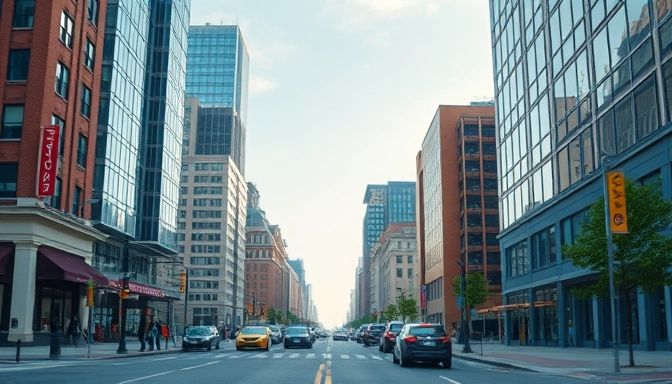
City advertising is not effective simply because it appears in a busy area. What matters is whether the placement fits how people move, where they slow down, and what they are likely to notice in a cluttered urban environment. Some locations generate quick visibility but little recall, while others hold attention for longer and create stronger familiarity over time.
Foot Traffic Does Not Guarantee Attention
A high-traffic area may seem like the obvious choice, but large crowds do not always translate into strong ad performance. In fast-moving commuter spaces, people are often focused on getting somewhere, which means they may pass straight by a message without processing it. In slower pedestrian zones, people have more time to take in what is around them.
That is why street posters across high-visibility urban locations can be effective when placed where people naturally pause or reduce pace. In outdoor media, dwell time matters. Even a few extra seconds can improve the chance that a message is noticed and remembered.
The Surrounding Environment Matters
People do not view advertising in isolation. They absorb it alongside nearby shops, buildings, and street activity. A placement that fits the tone of its surroundings often feels more natural and relevant, while a message that feels mismatched to the area may struggle to land.
This is where contextual relevance plays a practical role. A campaign in a retail, dining, or entertainment precinct may attract more attention because it aligns with the mood and purpose of the location. The same creative in a purely transitional zone may be less effective, even if the site is busy.
Visibility Depends on the Site Itself
A placement can be in the right area and still underperform if it is hard to see. Trees, poles, parked vehicles, street furniture, and competing signage can all reduce impact. So can poor angles that limit how early people notice the ad.
Strong placements usually offer a clean line of sight and sit naturally within pedestrian flow. If people only catch the message too late, or from the wrong angle, the creative has far less chance to do its job. Good visibility is not a bonus. It is essential.
Repetition Improves Recall
One well-placed ad can help, but repeated exposure usually works better. When people see the same message several times along familiar routes, it becomes easier to remember. This repeated contact is often what turns a brief glance into lasting recognition.
That is the value of effective frequency in city advertising. A placement strategy that appears across a neighbourhood or commuter path can reinforce the message without needing a long interaction. Familiarity builds through repetition, not just through size or scale.
Audience Fit Makes the Difference
Different city areas attract different behaviours. Office workers, students, shoppers, and evening crowds all move through urban spaces in different ways and at different times. A placement works better when it reaches the right people in the right setting, not simply the biggest crowd available.
This makes audience targeting in outdoor advertising more about behaviour than broad demographics. A site near universities may suit youth-focused campaigns, while central retail strips may be better for lifestyle or event messaging. The best placements align with how a specific audience uses that part of the city.
Where Placement Becomes Performance
Some city ad placements work better than others because they do more than deliver visibility. They support attention, suit the environment, and match real movement patterns. When those elements line up, the placement gives the message a better chance of being seen, understood, and remembered. That is what turns outdoor advertising from background noise into something that actually registers.