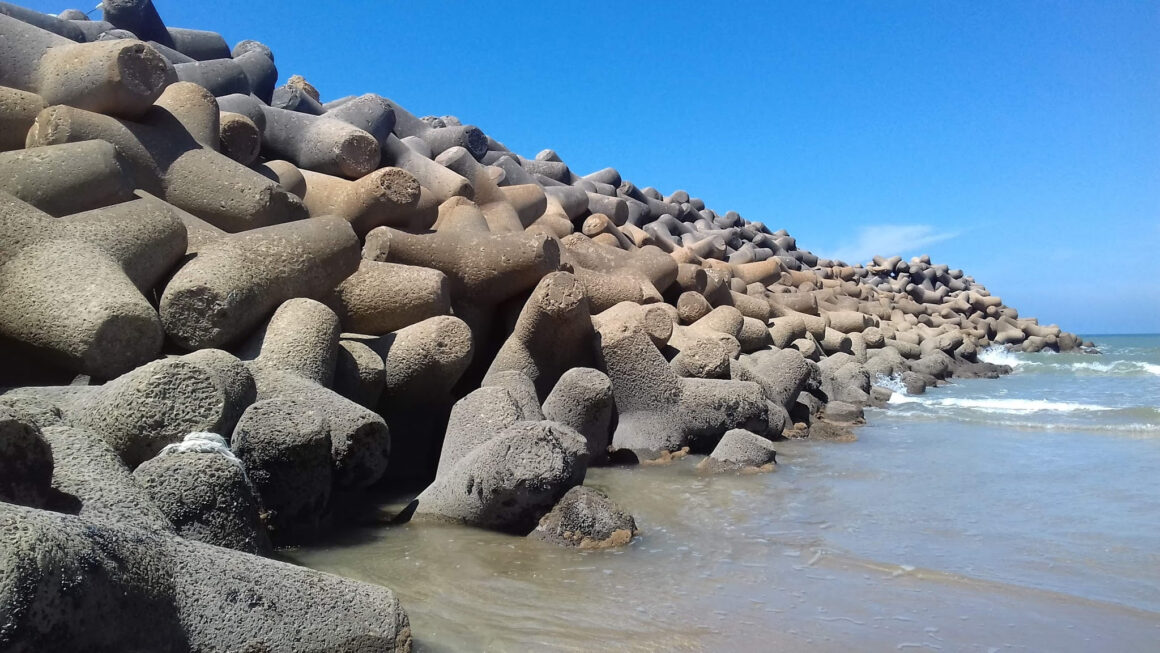
Concrete tetrapods are becoming a key solution for coastal protection as communities address erosion, storm damage, and climate change. Their distinctive design disperses incoming wave energy, offering lasting defense against the forces affecting vulnerable shorelines. As the demand for effective, durable, and adaptable coastal structures grows, concrete tetrapods are gaining prominence.
Coastal regions around the world are increasingly threatened by rising sea levels, aggressive storms, and persistent erosion. Communities and engineers are turning to resilient infrastructure to withstand both immediate and long-term challenges. Among available approaches, large concrete blocks and specially designed tetrapods play a central role in maintaining shoreline stability and protecting key assets from water-related risks.
The importance of selecting the right coastal protection method has never been greater as environmental pressures intensify. Concrete tetrapods present a robust option for defending coastlines, combining innovative engineering with proven materials to counteract natural forces and safeguard valuable infrastructure.
The engineering behind concrete tetrapods
Tetrapods are four-legged concrete structures intentionally shaped to dissipate wave energy rather than resist it head-on. Their interlocking form allows them to be stacked efficiently, which increases stability and reduces movement under heavy wave loads. This design minimizes gaps through which water can penetrate, providing more reliable shoreline protection over time.
The evolution of the tetrapod design has been driven by the need for structures that resist shifting and displacement in high-energy marine environments. Engineers rely on the geometry of tetrapods to break up wave force, decreasing the energy transmitted to the coast and reducing erosion. The approach offers a practical balance between performance and ease of installation for a range of projects.
By strategically integrating tetrapods in vulnerable areas, project teams can deliver long-term protection. Their effectiveness relies on proper placement and interconnection, which help absorb and redirect energy from waves, minimizing coastal degradation and safeguarding public and private infrastructure.
Material quality and longevity considerations
The durability of tetrapods depends heavily on the concrete mix and manufacturing quality. Using high-grade materials ensures that the structures are resistant to saltwater corrosion and the mechanical stresses produced by powerful waves. Robust construction standards are maintained throughout the design and installation phases to ensure expected performance.
Prioritizing long service life reduces the need for frequent repairs or replacement, making tetrapods a cost-effective solution for shoreline defense. In regions experiencing more severe weather and wave patterns, choosing tested materials and proven production methods is crucial for lasting functionality.
Incorporating advancements in manufacturing, such as improved reinforcement or protective coatings, can further enhance the resilience of tetrapods. These innovations help accommodate unique project requirements while delivering reliable defense against evolving environmental hazards.
Applications and installation strategies
Concrete tetrapods are widely used for constructing breakwaters, revetments, and other coastal defense systems. The successful installation of these structures requires careful assessment of wave dynamics, local geography, and long-term erosion risks. Each project is tailored to meet local objectives while considering the challenges of deployment and maintenance.
Handling and placement are carried out using specialized equipment due to the significant weight and size of each unit. Projects benefit from detailed planning, enabling fast installation and precise arrangement to maximize wave dispersion. Coordination between engineers and local authorities is essential to meet both technical and environmental requirements.
In marine construction, securing access to formwork such as a tetrapod mold is essential for timely production and flexibility in response to site conditions. Effective project management ensures that all phases, from casting to installation, contribute to the enduring performance of the coastal protection system.
Advantages and the future of coastal defense
The ongoing use of concrete tetrapods demonstrates their value in delivering reliable coastal protection. Their unique shape and robust material properties address the dynamic needs of shorelines subjected to both gradual and acute change. As environmental threats grow in complexity, engineers continue to refine designs and production processes for even greater effectiveness.
These structures not only shield against erosion but also promote the recovery of natural habitats in some cases, creating new stability for local ecosystems. The versatility and adaptability of concrete tetrapods help ensure they remain a preferred choice as communities manage the new realities of climate and coastal change.
With a history of proven performance and capacity for ongoing innovation, concrete tetrapods are set to play an increasingly vital role in protecting coastal assets and supporting the resilience of vulnerable shoreline communities.