
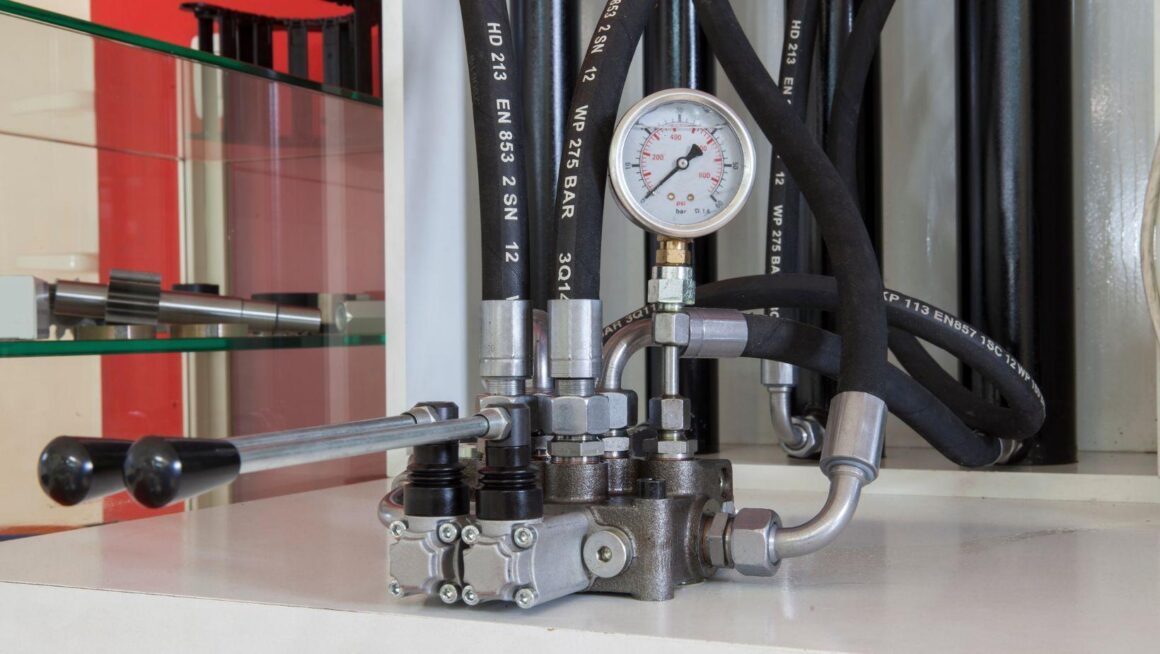
Hydraulic systems are used in a wide range of industries to generate and transmit power through pressurised fluid. From construction equipment and manufacturing machinery to agricultural vehicles and mining operations, these systems rely on components that can withstand high pressure while maintaining reliable fluid flow. Among the most important of these components is the hydraulic hose.
Unlike conventional hoses, hydraulic hoses are specifically engineered to transport hydraulic fluid safely under demanding operating conditions. They must remain flexible while resisting pressure, abrasion, vibration, and environmental exposure. Selecting the right hose assembly is therefore essential for maintaining equipment performance, minimising downtime, and ensuring safe operation.
For engineers, technicians, and maintenance professionals choosing a hydraulic hose, understanding hose construction, pressure ratings, and application requirements helps ensure long-term system reliability. Hydraulic hose assemblies are supplied with pre-crimped end fittings, allowing them to be installed directly into hydraulic systems without additional fabrication. They are available in multiple pressure ratings, connection types, and standard lengths for industrial and mobile equipment.
What Is a Hydraulic Hose?
A hydraulic hose is a flexible conduit designed to carry pressurised hydraulic fluid between components within a hydraulic system.
It connects equipment such as:
Unlike rigid tubing, hydraulic hoses accommodate movement, vibration, and changing equipment positions while maintaining a sealed fluid path.
How Hydraulic Hoses Are Constructed
Hydraulic hoses are built using multiple layers, each serving a specific purpose.
Inner Tube
The inner tube carries the hydraulic fluid.
It is manufactured from materials compatible with the fluid being transported, helping to prevent chemical degradation and maintain long-term performance.
Reinforcement Layer
The reinforcement provides the hose with its pressure-handling capability.
Depending on the application, reinforcement may consist of:
The number and type of reinforcement layers determine the hose’s maximum operating pressure.
Outer Cover
The outer cover protects the hose against external conditions such as:
This protective layer contributes significantly to hose durability in demanding environments.
Common Applications
Hydraulic hoses are used wherever hydraulic power is required.
Construction Equipment
Machines such as excavators, loaders, cranes, and bulldozers rely on hydraulic hoses to operate lifting, steering, and digging systems.
Manufacturing
Industrial machinery uses hydraulic systems to power presses, production equipment, and automated manufacturing lines.
Agriculture
Tractors, harvesters, and irrigation systems depend on hydraulic hoses for steering, lifting, and equipment control.
Mining
Mining equipment operates under extreme conditions where durable, high-pressure hydraulic hoses are essential for reliable performance.
Material Handling
Forklifts, lifting platforms, and warehouse equipment use hydraulic systems for lifting and positioning heavy loads.
Hydraulic hose assemblies are widely used in construction, manufacturing, agriculture, mining, and mobile equipment, with common connection standards including BSP, JIC, ORFS, and NPT to suit different hydraulic systems.
Understanding Pressure Ratings
Pressure rating is one of the most important specifications when selecting a hydraulic hose.
Hydraulic hoses are commonly manufactured to recognised standards such as:
Each specification is designed for different operating pressures, reinforcement methods, and application requirements.
Selecting the correct pressure rating is essential for safe system operation.
Factors to Consider When Choosing a Hose
Before selecting a hydraulic hose, several technical factors should be evaluated.
These include:
Matching these specifications to the hydraulic system helps maximise performance while reducing the risk of premature hose failure.
Benefits of Pre-Assembled Hose Assemblies
Many hydraulic systems use pre-assembled hose assemblies that include factory-installed fittings.
These assemblies offer several advantages.
Because they are supplied ready for installation, pre-assembled hoses can significantly reduce equipment downtime during maintenance or repairs.
Installation Best Practices
Correct installation has a major influence on hose service life.
Recommended practices include:
Following these practices helps improve both safety and long-term reliability.
Maintenance and Inspection
Routine inspection allows potential issues to be identified before failure occurs.
Maintenance checks should include:
Preventive maintenance helps reduce unexpected downtime while extending the service life of hydraulic systems.
Supporting Reliable Hydraulic Systems
Modern hydraulic equipment operates under increasingly demanding conditions.
Advances in hose materials, reinforcement technology, and connector design continue to improve performance while supporting higher operating pressures and longer service life.
Selecting the correct hydraulic hose contributes not only to system efficiency but also to workplace safety and equipment reliability across a broad range of industries.
Conclusion
Hydraulic hoses are essential components that allow pressurised fluid to move safely and efficiently throughout hydraulic systems. Choosing the correct hose involves considering pressure rating, fluid compatibility, reinforcement type, environmental conditions, and connection requirements to ensure dependable long-term operation.
Whether used in heavy construction equipment, industrial machinery, agricultural vehicles, or manufacturing systems, selecting the right hydraulic hose helps improve operational efficiency, minimise maintenance requirements, and support reliable hydraulic performance. RS Australia supplies hydraulic hose assemblies from trusted manufacturers including RS PRO, Parker, and SKF, offering solutions for applications ranging from low-pressure return lines to high-pressure industrial hydraulic systems.