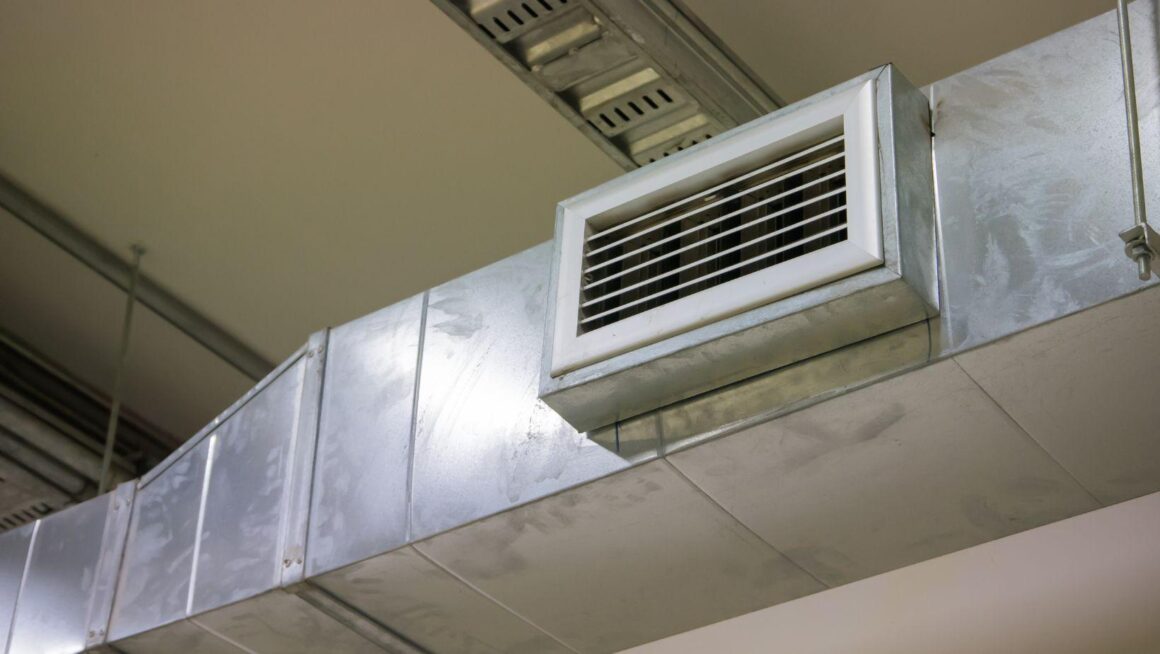
Heating, ventilation, and air conditioning systems rely on effective airflow to maintain comfortable indoor environments. While fans and air handling units generate and condition the air, ducting plays an equally important role by delivering that air to the desired locations. Selecting the right ducting material can improve airflow efficiency, simplify installation, and support long-term system performance.
Flexible ducting has become a popular choice in residential, commercial, and industrial HVAC installations because it can be routed around structural obstacles with minimal effort. Compared with rigid ductwork, it offers greater installation flexibility while reducing labour time in many applications.
For contractors, facility managers, and engineers choosing a flexible AC duct, understanding the available materials, applications, and selection criteria helps ensure reliable airflow and efficient ventilation. Flexible ducting is designed to transport air, dust, fumes, and other materials through ventilation systems and is available in various materials, diameters, and temperature ratings to suit different industrial and commercial applications.
What Is Flexible Ducting?
Flexible ducting is a lightweight ventilation hose designed to transport air between HVAC equipment and occupied spaces.
Unlike rigid metal ductwork, flexible ducts can bend around obstacles, making them easier to install in confined spaces such as ceilings, roof voids, and service areas.
They are commonly used for:
Their versatility makes them suitable for both new installations and retrofit projects.
How Flexible Ducting Works
Flexible ducts create an enclosed pathway that allows conditioned or extracted air to move efficiently through a ventilation system.
When correctly installed, they help:
Proper installation is important to minimise unnecessary bends and airflow restrictions that could reduce overall system performance.
Common Materials
Flexible ducting is manufactured from several different materials, each designed for specific operating environments.
Polyvinyl Chloride (PVC)
PVC ducting is widely used because it offers:
It is commonly selected for light industrial ventilation and general air handling applications.
Polyurethane (PUR)
Polyurethane ducting provides excellent abrasion resistance, making it suitable for applications involving dust, granules, wood chips, and other abrasive materials.
Neoprene Coated Glass Fibre
Glass fibre reinforced neoprene ducting performs well in elevated temperature environments.
It is commonly used for:
RS Singapore supplies flexible ducting in materials including PVC, polyurethane, thermoplastic elastomer, neoprene-coated glass fibre, and other reinforced constructions for different airflow and industrial handling applications.
Advantages of Flexible Ducting
Compared with rigid ductwork, flexible ducts offer several practical benefits.
These include:
These advantages make flexible ducting particularly useful where installation conditions are challenging.
Typical Applications
Flexible ducting is used across numerous industries.
Air Conditioning Systems
HVAC installations use flexible ducts to distribute conditioned air between air handling equipment and occupied spaces.
Commercial Buildings
Office buildings, retail outlets, and public facilities rely on flexible ducting for ventilation and climate control.
Manufacturing Facilities
Industrial ventilation systems remove airborne dust, fumes, and process-generated heat from production areas.
Food Processing
Certain duct materials are suitable for controlled airflow within food production environments where cleanliness is important.
Agriculture
Ventilation systems in agricultural buildings use flexible ducting to improve airflow and environmental control.
Factors to Consider When Choosing Flexible Ducting
Selecting the appropriate duct depends on several technical requirements.
Important considerations include:
Matching these characteristics to the intended application helps maximise airflow efficiency and product lifespan.
Installation Best Practices
Correct installation contributes significantly to ventilation performance.
Recommended practices include:
Following these practices helps reduce pressure loss while maintaining consistent airflow throughout the system.
Maintenance Considerations
Although flexible ducting generally requires minimal maintenance, routine inspection helps maintain system performance.
Maintenance should include:
Preventive maintenance helps improve ventilation efficiency while reducing unexpected downtime.
Supporting Modern Ventilation Systems
As buildings become more energy efficient and industrial processes become increasingly specialised, ventilation systems continue to evolve.
Modern flexible ducting supports a wide variety of applications, including:
Its versatility allows designers to create efficient airflow systems while accommodating complex building layouts.
Conclusion
Flexible ducting plays an essential role in modern ventilation by providing an efficient and adaptable method for transporting air throughout residential, commercial, and industrial facilities. Selecting the correct material, diameter, and installation method helps optimise airflow while supporting reliable long-term system performance.
Whether used in HVAC installations, industrial ventilation, or air distribution systems, choosing the right flexible AC duct contributes to improved airflow efficiency, simplified installation, and dependable operation. RS Singapore offers a comprehensive selection of reinforced flexible ducting from manufacturers including RS PRO, Contitech, Prosiflex, and Merlett Plastics, with options available in multiple diameters, lengths, and materials to suit a wide range of ventilation requirements.