
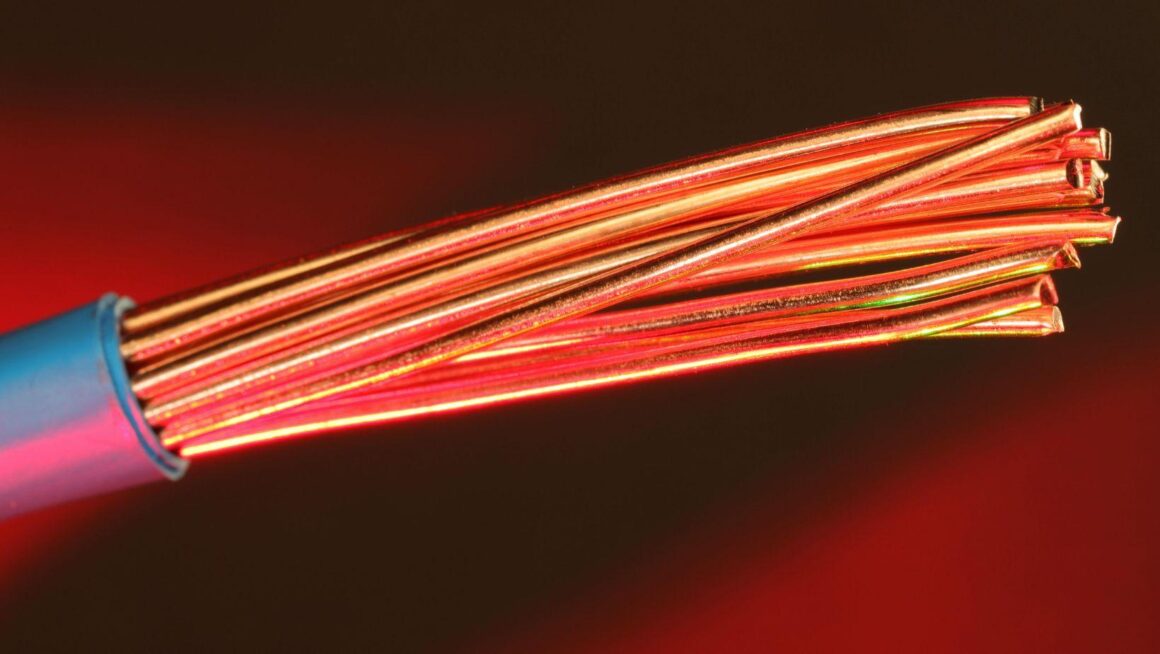
Efficient electrical power distribution depends on components that can safely carry high currents while maintaining long-term reliability. Whether in industrial switchgear, commercial distribution panels, renewable energy systems, or data centres, busbars play a critical role in transferring electrical energy between power sources and connected equipment.
While bare copper has long been recognised for its excellent electrical conductivity, many modern installations use tinned copper busbars to improve durability and corrosion resistance. The thin layer of tin applied to the copper surface helps protect the conductor in demanding environments while preserving its excellent electrical performance.
For engineers, electricians, and panel builders selecting a tinned copper busbar, understanding its construction, benefits, and applications can help ensure dependable performance in a wide range of electrical installations. Tinned copper busbars are widely used in switchgear, control panels, distribution boards, and power systems where corrosion resistance and reliable electrical conductivity are important design considerations.
What Is a Tinned Copper Busbar?
A tinned copper busbar is a solid copper conductor that has been coated with a thin layer of tin.
The copper core provides excellent electrical conductivity, while the tin coating acts as a protective barrier against oxidation and corrosion.
This combination makes the busbar suitable for installations where long-term reliability is essential, particularly in environments exposed to humidity, pollutants, or varying temperatures.
Why Tin Plating Is Used
Although copper naturally conducts electricity extremely well, its surface can oxidise over time.
Tin plating offers several practical advantages.
These include:
These benefits make tinned copper particularly suitable for industrial and commercial electrical systems.
How Busbars Support Power Distribution
A busbar acts as a common conductor that distributes electrical power between multiple circuits.
Instead of relying on numerous individual cables, electrical energy flows through a single conductor that allows outgoing circuits to connect efficiently.
This arrangement helps:
Because busbars offer low electrical resistance, they are well suited for carrying high current loads.
Common Applications
Tinned copper busbars are used across many industries where dependable electrical performance is required.
Switchgear
Switchgear assemblies use busbars to distribute electrical power between incoming supplies, circuit breakers, and outgoing feeders.
Distribution Boards
Commercial and industrial distribution panels use busbars to provide organised electrical connections while simplifying installation.
Control Panels
Electrical control panels rely on busbars for connecting protective devices, contactors, relays, and power distribution components.
Renewable Energy Systems
Solar power installations and battery energy storage systems often use tinned copper busbars because of their excellent conductivity and resistance to environmental exposure.
Data Centres
Reliable grounding and power distribution are essential for maintaining uninterrupted operation of servers and communication equipment.
Busbars are widely installed in switchgear, distribution boards, motor control centres, renewable energy systems, and industrial electrical panels where they provide a low-impedance path for high-current power distribution.
Advantages of Tinned Copper Busbars
Compared with many alternative conductor materials, tinned copper offers several important benefits.
These include:
These characteristics make them suitable for both indoor and outdoor electrical installations.
Factors to Consider When Selecting a Busbar
Choosing the correct busbar involves evaluating several technical requirements.
Important considerations include:
Selecting the appropriate specifications helps ensure safe operation throughout the service life of the installation.
Installation Best Practices
Correct installation contributes significantly to electrical system reliability.
Recommended practices include:
Proper installation helps minimise contact resistance while improving overall system performance.
Maintenance Considerations
Although tinned copper busbars require relatively little maintenance, periodic inspection remains important.
Routine maintenance should include:
Regular inspections help identify potential issues before they affect system reliability.
Supporting Modern Electrical Infrastructure
Today’s electrical systems demand components capable of handling higher power densities while maintaining reliability over extended operating periods.
As industries continue adopting automation, renewable energy technologies, and smart electrical infrastructure, durable busbar systems remain an important part of efficient power distribution.
The combination of high conductivity and corrosion resistance makes tinned copper a practical material choice for many demanding electrical applications.
Conclusion
Reliable power distribution depends on components that combine excellent electrical performance with long-term durability. Tinned copper busbars achieve this by pairing the outstanding conductivity of copper with the added protection provided by a corrosion-resistant tin coating.
Whether installed in industrial switchgear, renewable energy systems, commercial distribution boards, or control panels, selecting the right tinned copper busbar helps improve electrical reliability, simplify maintenance, and support safe, efficient power distribution. RS Hong Kong offers a comprehensive range of copper and tin-plated copper busbars from manufacturers including Schneider Electric, Siemens, ABB, Eaton, Legrand, RS PRO, and other recognised electrical brands for a variety of power distribution applications.