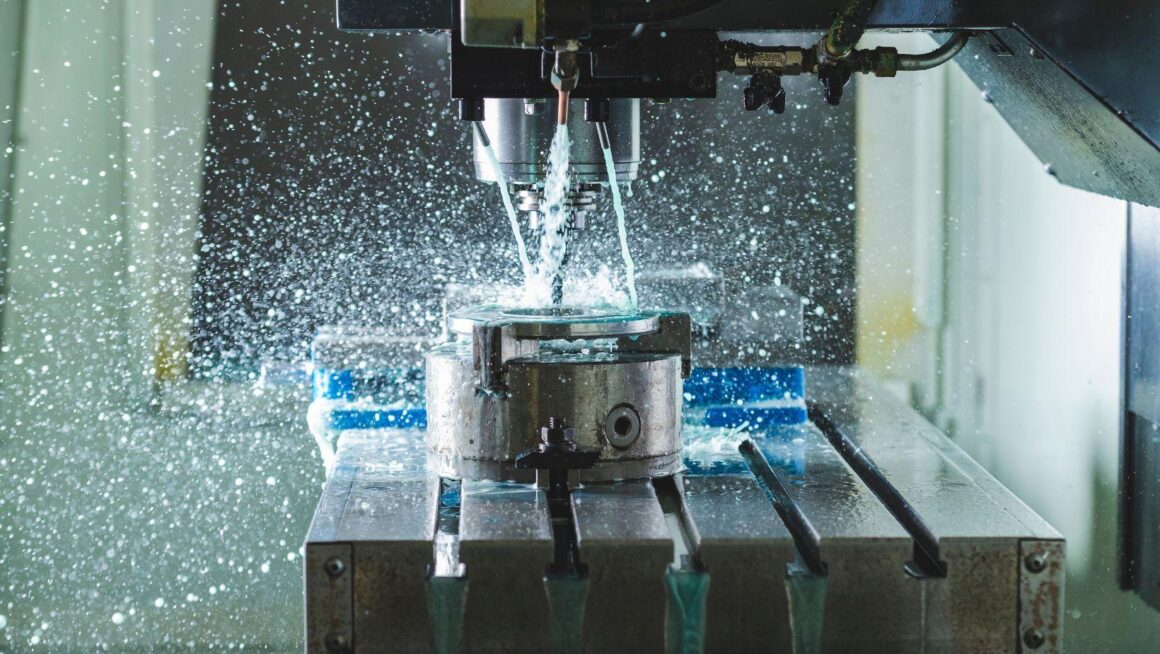
Medical devices rely on components that must be produced according to carefully defined specifications. As healthcare products become more sophisticated, manufacturers require machining methods that can accommodate detailed designs, specialized materials, and consistent production requirements. Medical CNC machining offers a controlled way to manufacture precision components for many types of medical equipment and applications.
Using computer-guided equipment, CNC machining converts digital designs into physical parts with repeatable manufacturing processes. This makes the technology useful throughout product development, from initial prototypes to components intended for ongoing production. High Tech Quality Manufacturing provides precision machining capabilities to help manufacturers produce components for today's changing medical device industry.
Understanding Medical CNC Machining
CNC machining relies on computer programming to direct machine tools through specific cutting, drilling, shaping, and finishing operations. Instead of depending primarily on manual adjustments, the equipment follows programmed instructions based on the dimensions and features established in a digital design.
In medical manufacturing, this process can be applied to components used in surgical instruments, orthopedic products, prosthetic systems, diagnostic equipment, and other healthcare technologies. Parts may contain intricate features or need to connect precisely with other components, making consistency an important consideration.
Because CNC equipment works from established digital specifications, manufacturers can reproduce complex designs while maintaining greater control over the machining process. This can be especially helpful when a project involves detailed geometries or requires consistent dimensions across multiple parts.
Why Precision Matters for Medical Components
Accuracy can be an essential consideration when manufacturing components for medical devices. A part may need to fit into a larger assembly, align with another component, or provide a specific mechanical function. Even variations from the intended design can create difficulties during assembly or affect how a finished device operates.
Controlled machining and inspection processes, therefore, play an important role in precision manufacturing. High Tech Quality Manufacturing uses programmed machining processes and precision equipment to manufacture components based on established customer specifications.
Consistent production can also become increasingly important as a project progresses. Processes that support repeatability can help manufacturers maintain similar results when moving from prototype quantities to larger production requirements.
Supporting Prototypes and Production
CNC machining can serve multiple stages of medical product development. Before beginning a larger manufacturing run, engineers may require physical parts to evaluate dimensions, test functionality, or identify potential design changes. Machined prototypes provide tangible components that can be reviewed before production expands.
Once a design and machining process has been established, CNC equipment can also repeat programmed operations using defined parameters. This reduces reliance on repeated manual adjustments and provides a more structured approach to producing multiple components.
For medical device manufacturers, this flexibility can help accommodate projects as designs are refined or production needs evolve. Medical CNC machining can therefore contribute to both development work and ongoing component production.
Machining Materials for Healthcare Components
The material selected for a medical component depends on the purpose and performance requirements of the finished part. CNC machining can work with materials such as stainless steel, titanium, aluminum, and various engineering plastics and polymers.
Different materials offer different characteristics, including strength, weight, durability, and resistance to corrosion or wear. These properties can influence how a component is designed and how it should be machined.
Considering the material together with the component's geometry and intended use allows manufacturers to determine suitable machining methods for a particular project.
Maintaining Consistency Through Process Control
Medical component manufacturing requires more than producing an accurate part one time. Repeatable processes, inspection procedures, and quality controls can help manufacturers maintain consistency across production runs.
Programmed CNC operations establish a controlled foundation for repeat manufacturing, while inspection and process monitoring provide additional ways to verify that completed components meet established requirements.
As medical technology continues to evolve, precision manufacturing will remain important for turning detailed product designs into functional components. High Tech Quality Manufacturing supports these applications through machining processes focused on precision, repeatability, and controlled production. From surgical instruments to orthopedic and diagnostic components, medical CNC machining provides manufacturers with a flexible method for producing the detailed parts required by today's healthcare technologies.